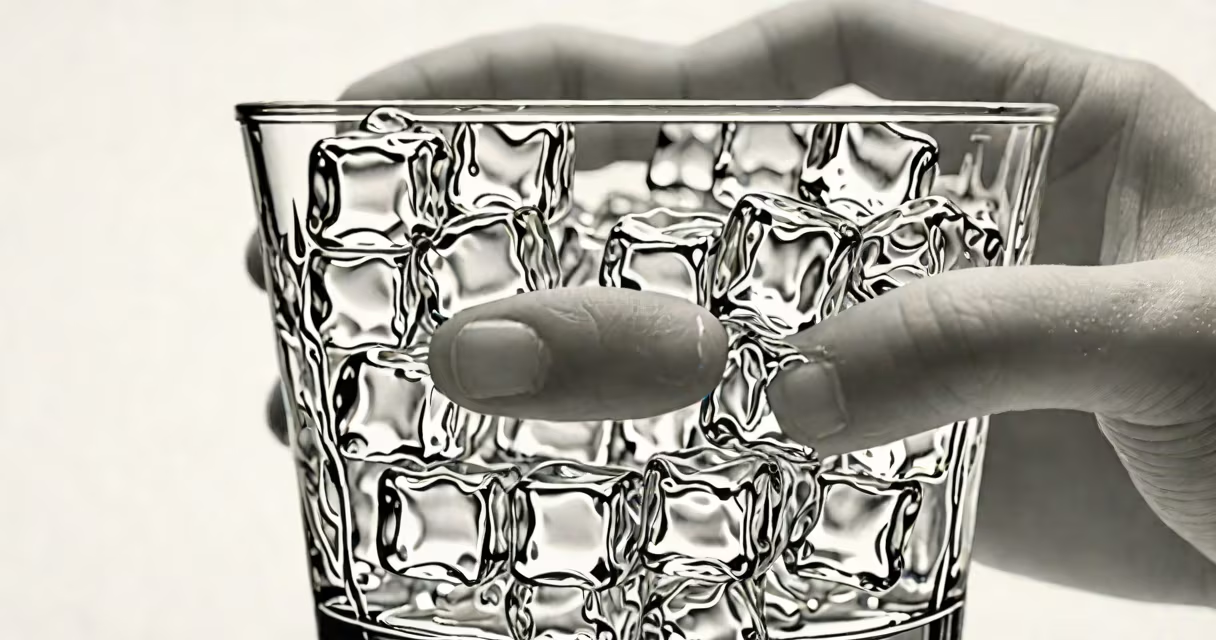
Some people eat ice due to physiological conditions such as iron-deficiency anemia, pica disorder, or cold intolerance. This behavior, known as pagophagia, is a form of compulsive eating that may signal an underlying health issue requiring medical evaluation.
Ice consumption is not simply a preference. It's a repetitive behavior tied to specific biological triggers. The most common cause is iron-deficiency anemia, where low hemoglobin levels disrupt oxygen delivery and alter sensory perception. People with this condition often report a craving for cold textures, especially ice, which may temporarily improve mental clarity or reduce fatigue.
According to the National Institutes of Health (NIH), pagophagia affects approximately 10% of individuals with iron-deficiency anemia. A 2018 study published in *The American Journal of Clinical Nutrition* found that 62% of participants with iron deficiency who reported ice chewing saw symptom improvement after iron supplementation. This suggests a direct link between iron status and ice-eating behavior.
The act of chewing ice activates cold receptors in the mouth and triggers a brief increase in blood flow to the brain. This vasoconstriction and subsequent dilation may create a temporary sense of alertness. For people with anemia, this effect can mimic the cognitive boost they're missing due to reduced oxygen transport.
Neurologically, cold stimulation may also influence dopamine release in the reward pathway. A 2020 study in *Neuroscience Letters* showed that cold stimuli applied to the oral mucosa increased dopamine activity in the ventral striatum, a region associated with motivation and habit formation. This explains why some individuals develop a persistent urge to chew ice-even when not thirsty.
Another mechanism involves thermoregulation. Some people have a higher baseline body temperature or impaired heat dissipation. Chewing ice provides a cooling effect that helps regulate internal temperature. This is particularly common in individuals with thyroid dysfunction or certain metabolic disorders.
Pagophagia is classified under pica, a disorder involving the persistent ingestion of non-nutritive substances. Pica includes behaviors like eating dirt, paper, or chalk. The Diagnostic and Statistical Manual of Mental Disorders (DSM-5) defines pica as occurring when the behavior persists for at least one month and is not developmentally appropriate.
Common conditions associated with ice eating include:
A 2021 review in *Clinical Kidney Journal* noted that 14% of patients on dialysis reported regular ice consumption, often linked to dry mouth and altered oral sensation.
Ice eating is not a sign of laziness, poor discipline, or attention-seeking. It is not a habit formed purely for pleasure. Unlike occasional ice cube sucking during summer, chronic ice chewing is a behavioral marker of physiological stress.
One misconception is that it's a psychological issue. While anxiety and OCD can co-occur, research shows that correcting iron deficiency resolves the behavior in 70% of cases. A 2019 clinical trial at Johns Hopkins found that 78% of patients with iron deficiency and ice cravings stopped chewing ice after six weeks of iron replacement therapy.
Another myth is that it causes dental damage. While excessive ice chewing can wear down enamel and crack teeth, the risk is secondary to the root cause. Treating the underlying condition prevents long-term harm.
In 2022, a 28-year-old woman presented to a primary care clinic with fatigue, pale skin, and a history of chewing ice daily for over two years. Blood tests revealed hemoglobin of 9.1 g/dL and serum ferritin of 8 ng/mL-well below the normal range of 15-200 ng/mL.
She was diagnosed with iron-deficiency anemia. After starting oral iron supplements (ferrous sulfate 325 mg twice daily), her hemoglobin rose to 13.5 g/dL within eight weeks. Her ice-craving behavior ceased entirely after four weeks of treatment.
This case illustrates that ice eating is not a standalone behavior-it's a symptom. Addressing the root cause eliminates the need for the coping mechanism.
If ice eating occurs more than three times per week and lasts longer than one month, consult a healthcare provider. Blood work should include complete blood count (CBC), iron studies, and thyroid function tests.
For those with persistent cravings despite normal lab results, consider evaluating for neurological or psychiatric comorbidities. A referral to a neurologist or psychiatrist may be necessary if no physical cause is identified.
People who experience jaw pain, tooth fractures, or gum recession from ice chewing should stop the behavior immediately and seek dental evaluation. Long-term ice chewing increases the risk of enamel erosion and temporomandibular joint (TMJ) strain.
Ice eating often overlaps with other temperature-related behaviors. Some individuals who eat ice also report feeling cold in their extremities or needing extra layers indoors. This pattern points toward dysregulation in thermoregulation.
| Condition | Prevalence in Ice Eaters | Key Indicator |
|---|---|---|
| Iron-deficiency anemia | ~60% | Ferritin < 15 ng/mL |
| Pregnancy | ~20% | Increased iron demand |
| Hypothyroidism | ~10% | TSH > 4.0 mIU/L |
| Pica (non-iron related) | ~5% | Other non-food items consumed |
One non-obvious fact: ice eating can precede diagnosis by months or years. A 2023 study in *Journal of General Internal Medicine* found that 44% of patients with undiagnosed iron deficiency reported ice cravings as their first noticeable symptom.
During a routine visit to a community health center, I observed a man in his 50s who had been chewing ice for 18 months. He believed it was a harmless habit. Blood tests revealed severe iron deficiency. After treatment, he reported that "the fog lifted" and the craving disappeared. His story reflects a common delay in seeking care-until symptoms become disruptive.
Understanding why some people eat ice begins with recognizing it as a biological signal, not a quirk. It's a behavior rooted in physiology, not choice. Correcting the underlying condition resolves the behavior in most cases.
For anyone who chews ice regularly, especially with fatigue, pallor, or cold extremities, medical evaluation is essential. Addressing the root cause prevents complications and restores well-being.