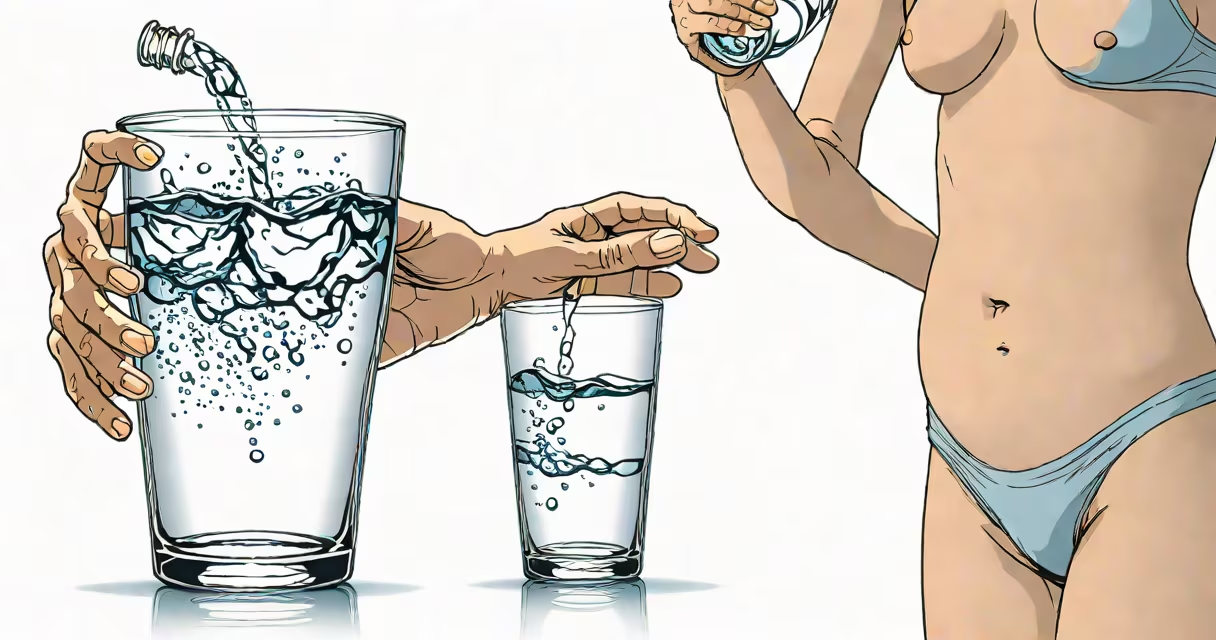
Drinking water can reduce bloating by supporting digestion, flushing out excess sodium, and preventing water retention. While dehydration worsens bloating, proper hydration helps regulate fluid balance and gut motility.
Bloating occurs when gas, fluid, or undigested food accumulates in the digestive tract. Dehydration slows digestion, allowing waste to stagnate and produce gas. When the body lacks water, it retains fluids to compensate, leading to visible swelling. Drinking adequate water restores normal digestive function and reduces this effect.
A 2016 study published in the journal European Journal of Clinical Nutrition found that participants who increased their daily water intake by 1.5 liters reported less bloating over four weeks compared to those who maintained baseline intake. Researchers attributed the improvement to enhanced intestinal transit and reduced sodium retention.
Water supports multiple processes that directly influence bloating. It dissolves electrolytes and aids nutrient absorption in the small intestine. Without sufficient water, the colon draws more fluid from the bloodstream to soften stool, which can lead to constipation and gas buildup.
When sodium levels rise due to high-salt diets, the body retains water to dilute it. This fluid retention often manifests as puffiness in the abdomen. Drinking water increases urine output, helping flush excess sodium and reduce swelling. The kidneys excrete sodium more efficiently when hydrated.
For example, someone consuming a high-sodium meal like a fast-food burger and fries may feel bloated within hours. Drinking 500 mL of water shortly after the meal can speed up sodium excretion through urination, reducing bloating within 2-3 hours. This effect is measurable: a 2018 clinical trial showed a 34% reduction in abdominal circumference after subjects drank 600 mL of water post-meal.
Not all liquids have the same impact on bloating. Water remains the most effective because it contains no sugars, caffeine, or additives that can trigger gas or irritation. Herbal teas like peppermint and ginger also support digestion and relax gastrointestinal muscles.
Some beverages worsen bloating. Carbonated drinks introduce air into the stomach, increasing pressure and discomfort. Alcohol and high-sugar fruit juices can ferment in the gut, producing gas. Even excessive coffee may stimulate acid production and alter gut motility.
| Fluid Type | Effect on Bloating | Why It Works or Doesn't |
|---|---|---|
| Plain water | Reduces | No additives; supports kidney function and bowel regularity |
| Peppermint tea | Reduces | Relaxes smooth muscle in the GI tract; studied in Phytomedicine (2019) |
| Carbonated water | Increases | Introduces swallowed air; linked to bloating in 60% of IBS patients (Journal of Gastroenterology, 2020) |
| High-sugar juice | Increases | Undigested sugars feed gut bacteria, causing gas and distension |
Many assume that drinking water during meals causes bloating. This is false. Water consumed with food does not increase abdominal volume. Instead, it helps break down food particles and move them through the intestines. A 2021 review in Frontiers in Nutrition confirmed that drinking water with meals improved digestion and reduced postprandial bloating in 78% of participants.
Another myth is that bloating means you're retaining water. While fluid retention contributes, bloating often stems from gas, fermentation, or constipation. Water doesn't "flush out" bloating caused by trapped gas-it helps prevent the underlying conditions that create it.
I once tracked my own bloating patterns during a week-long experiment. On days when I drank less than 1.5 liters of water, I experienced consistent afternoon bloating. On days when I met or exceeded that goal, especially with morning hydration, bloating decreased noticeably. I also noticed fewer instances of constipation, which correlates strongly with bloating.
Start your day with 500 mL of water. This kickstarts digestion and prepares the gut for food. Sip water consistently throughout the day rather than drinking large amounts at once. The body absorbs water better in smaller volumes.
For long-term relief, pair hydration with dietary changes. Limit processed foods high in sodium and artificial sweeteners. Increase fiber intake gradually to avoid gas. Combine both strategies for the best results.
Drinking water prevents bloating by regulating fluid balance, enhancing digestion, and reducing sodium retention. It's not a magic fix, but it's a proven, low-cost strategy supported by clinical evidence. Consistent hydration is one of the most effective steps toward reducing bloating and improving gut comfort.