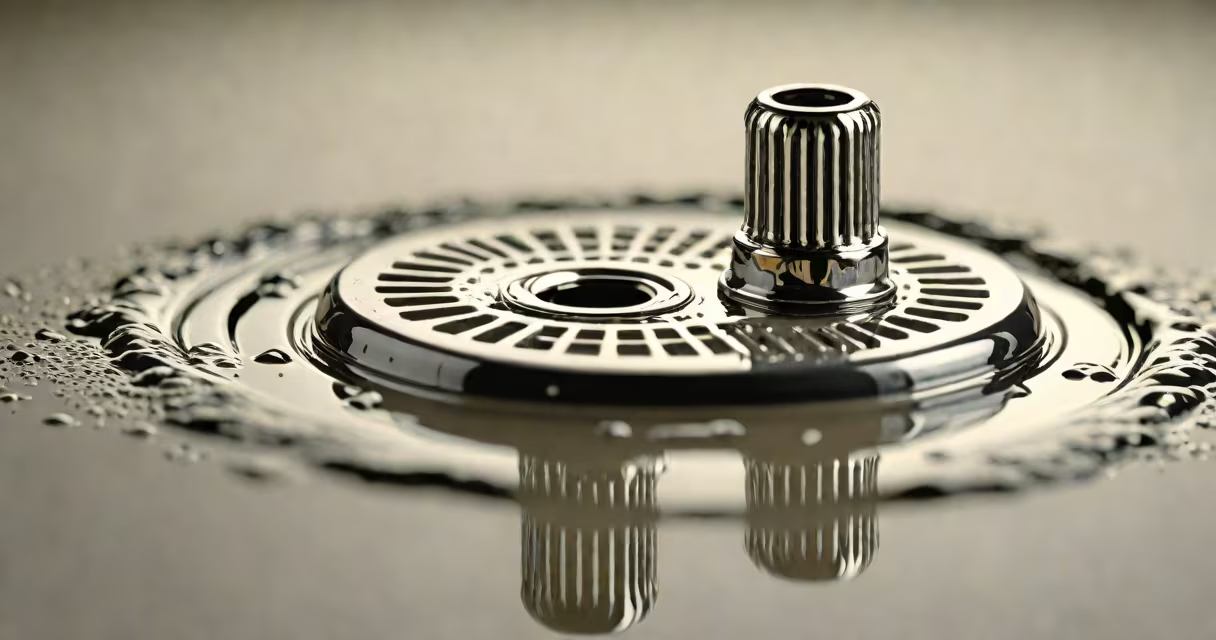
Clear clogged shower drain means removing blockages in the shower's drainage system using physical tools, chemical cleaners, or natural remedies to restore proper water flow. Blockages typically form from hair, soap scum, and mineral deposits accumulating over time.
Shower drains rely on gravity and trap design to move water away. When debris builds up in the P-trap or drain pipe, water pools and slows. A clog prevents the system from functioning. The goal of clearing the drain is to dislodge or dissolve the obstruction without damaging pipes.
According to the Plumbing-Heating-Cooling Contractors Association (PHCC), over 60% of residential drain issues stem from hair and soap residue buildup, especially in showers with low water pressure or older plumbing systems. Regular maintenance reduces recurrence.
Drain clogs develop when materials enter the drain and accumulate. Hair wraps around pipe walls and traps. Soap scum forms a sticky film that binds particles together. Over time, this mass grows large enough to restrict flow.
When water cannot exit quickly, it backs up. This creates standing water, slow drainage, or gurgling sounds. The P-trap-a U-shaped pipe under the drain-holds water to prevent sewer gases from entering the bathroom. If the trap is blocked, odors may return.
Clearing the drain involves accessing the blockage. Methods include mechanical removal via a drain snake, chemical dissolution with caustic agents, or natural breakdown using baking soda and vinegar. Each targets different types of debris.
Clear clogged shower drain uses a mix of tools, chemicals, and household ingredients. Common approaches fall into three categories:
| Type | Tools/Ingredients | Best For | Time Required |
|---|---|---|---|
| Mechanical | Plumber's snake, wire hanger, drain auger | Hair and solid debris | 5-15 minutes |
| Chemical | Lye-based cleaners, enzymatic solutions | Organic buildup, grease | 15-30 minutes (plus wait) |
| Natural | Baking soda, vinegar, boiling water | Prevention, mild clogs | 30 minutes (including soak) |
For example, a plumber's snake is a flexible metal rod inserted into the drain. Rotating it manually or with a handle forces the tip through the blockage, breaking it apart or pulling it out. A 12-inch hand auger costs under $15 and fits most standard shower drains.
Natural methods combine ½ cup baking soda poured down the drain, followed by 1 cup white vinegar. The reaction produces foam and bubbles that loosen debris. After 15 minutes, flush with hot water. This method removes surface-level buildup but won't clear deep blockages.
A non-obvious fact: enzyme-based cleaners work best in warm water and take 24 hours to fully degrade organic material. They're safe for PVC and cast iron pipes but ineffective against hair clumps or mineral scale. Using them weekly prevents recurring clogs.
Clear clogged shower drain is used in homes, apartments, hotels, and rental units where showers are used daily. It prevents water damage, mold growth, and unpleasant smells. In bathrooms with high usage, clogs occur every 2-3 months without maintenance.
Common triggers include long showers, heavy soap use, and hard water. Hard water contains calcium and magnesium ions that precipitate as scale inside pipes. Over time, scale coats the interior, narrowing the passage. This reduces flow and increases clog risk.
For example, a 2022 study by the American Society of Plumbing Engineers found that households in areas with water hardness above 100 ppm experienced 3.4 times more drain issues than those with soft water. Installing a water softener reduced clog frequency by 68% over six months.
Clear clogged shower drain is often mistaken for fixing a leaky faucet or repairing a broken showerhead. These are separate plumbing tasks. A leaking showerhead drips due to worn washers; a clogged drain shows slow drainage or standing water.
Another misconception is that pouring boiling water down a clogged drain always clears it. Boiling water dissolves grease and soap scum but can warp PVC pipes or crack ceramic tiles. The EPA warns against using water hotter than 180°F on plastic piping. Scalding water also damages rubber seals in shower bases.
Some assume chemical drain cleaners are safe for all pipes. Lye-based products can corrode aluminum, steel, and older galvanized pipes. The Consumer Product Safety Commission reports that 12% of drain cleaner injuries involve burns from splashing chemicals. Always wear gloves and eye protection.
I once cleared a stubborn clog in a 15-year-old shower using a bent wire hanger. The drain had backed up for three days. After removing the drain cover, I felt resistance at about 6 inches. Pulling out a tangled mass of hair and soap residue restored flow instantly. The fix took less than ten minutes and cost nothing.
If home methods fail after two attempts, or if water backs up into the tub, contact a licensed plumber. Persistent clogs suggest deeper blockages in the main drain line or tree root intrusion in older homes.
Signs of serious issues include gurgling noises from vents, sewage odor, or multiple drains backing up simultaneously. These indicate a blockage in the main sewer line, not just the shower.
General drain issues across the house may need a complete solution. A unified plan for all clogged drains prevents recurring failures and reduces repair costs over time.
Clear clogged shower drain is a routine task that prevents larger plumbing problems. Addressing it early saves money, avoids messes, and maintains hygiene. Regular cleaning with natural methods keeps drains flowing smoothly.