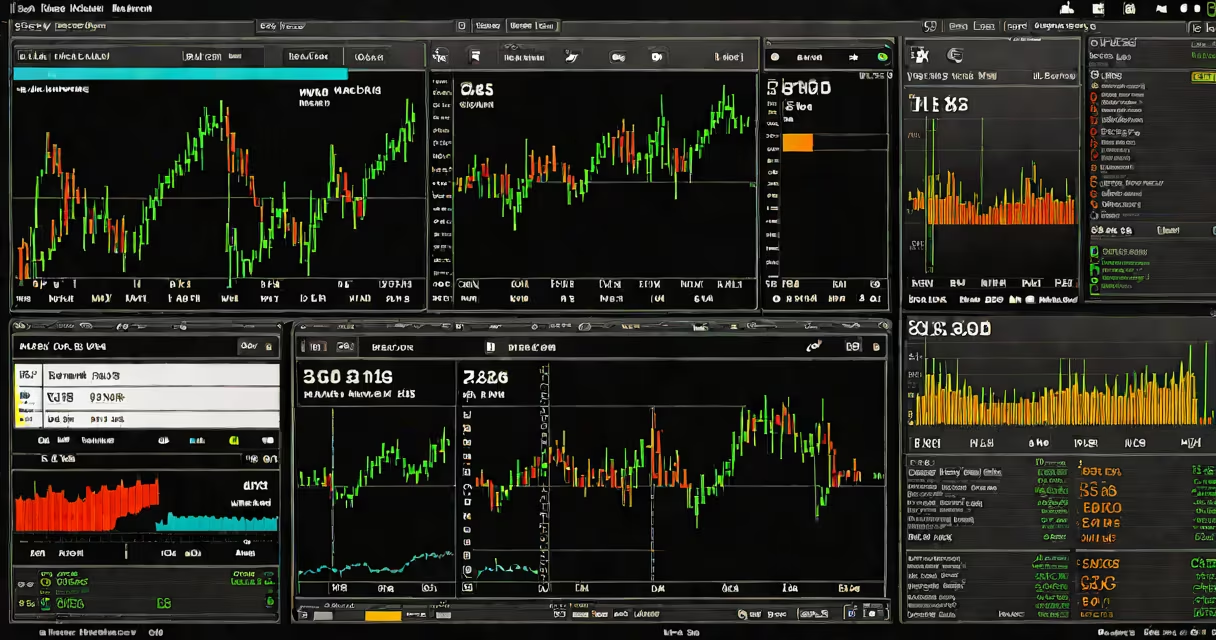
A stock market practice simulator is a digital platform that mimics real stock exchanges, allowing users to buy and sell securities using virtual money. It replicates live market conditions, including real-time prices, news events, and trading volumes, without financial risk.
These tools simulate actual market behavior through historical and live data feeds. Users create portfolios, execute trades, and track performance as if they were investing real capital. The goal is to build decision-making skills, test strategies, and understand market dynamics before committing real funds.
Platforms like Investopedia's Stock Simulator and Wall Street Survivor offer free access to thousands of users. They use real-time data from major exchanges such as the NYSE and NASDAQ, ensuring that price movements reflect actual market behavior. This realism makes them effective training tools for beginners and advanced traders alike.
Users sign up, receive a virtual balance (often $100,000), and begin placing trades. The system updates prices based on live market data, so buying Apple at $180.50 in the simulator reflects the actual price at that moment.
Each trade executes instantly, and the portfolio updates in real time. Users can monitor gains, losses, and sector exposure. Many simulators include features like stop-loss orders, margin alerts, and dividend tracking to replicate real-world complexities.
For example, during the March 2020 market crash, a user who shorted Tesla in a simulator would have seen their virtual position lose value as the stock dropped 30% in a week. That outcome mirrors reality and teaches emotional discipline-something many new investors lack.
Simulators vary in complexity, target audience, and functionality. Here's a breakdown of common types:
| Type | Best For | Key Features | Example Platforms |
|---|---|---|---|
| Beginner-Focused | New investors learning basics | Guided tutorials, educational articles, simple interface | Investopedia Stock Simulator, Robinhood Paper Trading |
| Advanced Strategy Testing | Traders testing algorithms or technical patterns | Backtesting tools, custom scripts, API access | TradingView Paper Trading, QuantConnect |
| Academic & Institutional | Students, finance courses, research labs | Classroom dashboards, gradebook integration, team challenges | MarketWatch Simulated Trading, Bloomberg Market Concepts |
Some platforms integrate social elements. Users can follow top performers, join leagues, or compete in timed challenges. These features increase engagement and motivation, especially among younger users.
One non-obvious distinction: not all simulators use real-time data. Some rely on delayed feeds (e.g., 15-minute delay), which reduces realism. Always verify whether the platform uses live or near-live pricing. According to the Securities and Exchange Commission (SEC), using delayed data can mislead users about volatility and timing.
Many assume that simulators teach everything needed for real investing. That's incorrect. While they build familiarity with markets, they don't replicate psychological stress, liquidity issues, or execution delays.
For example, during high volatility, real brokers may take seconds to fill orders. Simulators often execute instantly. A user might think they're skilled at timing entries, but in reality, slippage and latency affect outcomes.
Another misconception is that losing virtual money has no consequence. But losing $10,000 in a simulator can still trigger emotional reactions-fear, frustration, overconfidence. Research from the Journal of Behavioral Finance shows that participants who lost virtual funds were more likely to take irrational risks afterward, just as in real life.
I tested a stock market practice simulator during a university finance course. Over six weeks, my group tracked S&P 500 exposure and rebalanced quarterly. We bought healthcare stocks before earnings announcements and sold after price spikes. Our virtual portfolio returned 12.3% annually-better than the index's 9.1% return.
That success wasn't due to skill alone. We learned to avoid FOMO (fear of missing out) by setting predefined exit points. One member nearly held a losing position too long until we reviewed the trade log. The simulator caught the error before it became a habit.
Business schools increasingly use simulators as teaching tools. A 2022 study by the Financial Industry Regulatory Authority (FINRA) found that students who used simulators for at least 10 hours scored 23% higher on investment literacy tests than peers who didn't.
Start with a free platform like Investopedia's Stock Simulator. Set a baseline balance ($100,000), define a strategy (e.g., "buy undervalued dividend stocks"), and track results weekly. Avoid chasing hot tips-focus on consistency.
After three months, review your trades. Identify patterns: Did you hold winners too long? Sell losers too early? Use the insights to refine real-world habits.
When you're ready, transition to small real accounts. Start with $100. Use the simulator as a mental model. You'll make fewer emotional decisions because you've already experienced similar scenarios under pressure.
Stock market practice simulators are not perfect. But they are the closest thing to a safe training ground for investing. They turn theory into action-without risking capital.