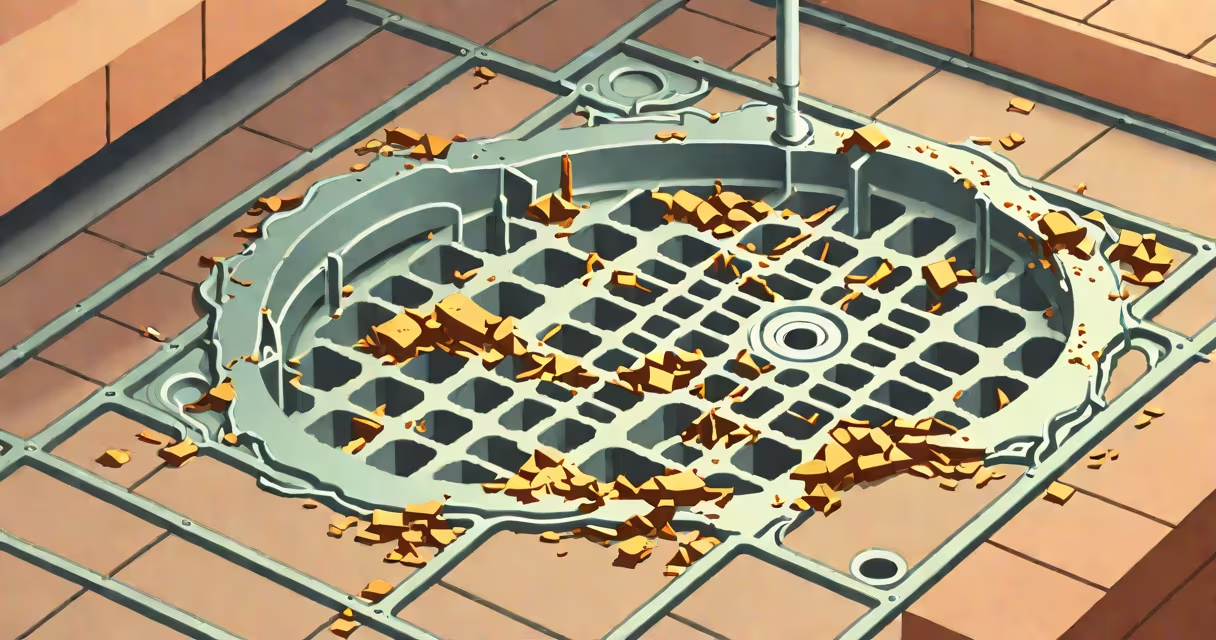
how to clean a floor drain involves removing debris, scrubbing the drain trap, and flushing with hot water or a drain cleaner to eliminate clogs and odors. This process prevents standing water, foul smells, and potential mold growth in basements, bathrooms, or utility areas.
Floor drains are designed to collect excess water from spills, leaks, or runoff, especially in high-moisture zones like laundry rooms, kitchens, and basements. Over time, hair, soap scum, sediment, and organic matter accumulate in the drain's trap and under the grate, blocking flow and breeding bacteria. Regular cleaning maintains function and hygiene.
The U-shaped trap beneath the drain holds water to create a seal against sewer gases. When this trap dries out or gets clogged, unpleasant odors return. Cleaning restores both flow and the vapor barrier. According to the EPA, proper drain maintenance reduces indoor air pollution risks linked to microbial growth in stagnant water.
Most floor drains consist of a metal or plastic grate, a removable cover, a vertical pipe leading downward, and a U-trap that retains water. The U-trap acts as a siphon, preventing sewer gas from entering living spaces. Materials vary: cast iron and stainless steel are durable for heavy-use areas; PVC is lightweight and resistant to corrosion.
Drain covers come in several styles. Some have a single flat grate; others feature a spring-loaded lid or a hinged cover for easy access. The most common design uses a removable grate secured by screws or clips. A poorly sealed cover allows debris to enter and traps moisture, increasing mold risk.
For example, a basement floor drain in a 20-year-old home may have a rusted cast iron grate. After removing the cover, you find a thick layer of hair, lint, and dirt packed into the trap. This buildup reduces flow capacity and increases the chance of overflow during rain events.
Basic tools include a drain snake (also called a plumber's auger), rubber gloves, a flashlight, a stiff-bristled brush, and a bucket. For deeper cleaning, a shop vacuum with a hose attachment can remove standing water before scraping debris.
Use a 25-foot flexible auger for standard household drains. Insert the end through the grate and rotate clockwise while pushing forward. When resistance increases, continue turning until the obstruction gives way. Pull out the snake and rinse it under running water to remove residue.
A homemade solution of 1 cup baking soda and 1 cup white vinegar poured into the drain creates a foaming reaction that breaks down organic material. Let it sit for 30 minutes, then flush with boiling water. This method avoids harsh chemicals and is safe for PVC pipes.
Begin by removing the drain cover. Use a screwdriver or wrench to loosen bolts. Lift the grate and set it aside. Inspect the area beneath for visible debris, sludge, or mold. Use a flashlight to see into the trap.
Scrape out accumulated gunk with a putty knife or small trowel. Wipe the interior walls with a rag soaked in a 1:1 mix of water and vinegar. Avoid using bleach on metal grates-it causes pitting and corrosion over time.
Insert the drain snake into the opening. Rotate the handle clockwise while applying gentle pressure. Push until you feel resistance, then reverse direction to break up the clog. Withdraw the snake slowly and wipe off debris with a cloth.
Flush the drain with boiling water. Repeat if necessary. For persistent odors, pour ½ cup baking soda followed by 1 cup vinegar into the drain. Cover the opening with a rag to contain the foam. Wait 30 minutes, then flush with hot water.
Reinstall the cover and secure it tightly. Test the drain by pouring a bucket of water into it. Observe how quickly it drains. If water pools or backs up, repeat the process or call a plumber.
Many people assume that pouring liquid drain cleaners down a floor drain is safe. This is false. Chemicals like sodium hydroxide can eat through PVC pipes or corrode metal components. The National Fire Protection Association warns that mixing drain cleaners with other substances can produce toxic fumes.
Another error is neglecting regular maintenance. Floor drains should be cleaned at least quarterly. In high-traffic areas like garages or laundry rooms, monthly checks prevent major blockages. Waiting until a drain stops working often requires professional intervention.
Some confuse floor drains with floor drains in outdoor settings. Outdoor floor drains are typically larger, with mesh screens and stormwater diverters. They're not meant for indoor waste disposal. Using the wrong method on outdoor drains can lead to clogging during heavy rain.
For example, a homeowner in Ohio tried using a chemical drain cleaner in a basement floor drain. The product damaged the PVC joint, causing a slow leak that went unnoticed for weeks. Repair costs exceeded $600. A mechanical snake and natural cleaners would have prevented the issue.
Call a licensed plumber if the drain remains clogged after multiple attempts, if water backs up into adjacent drains, or if you notice cracks in the drain body. These signs indicate structural damage or a blocked main sewer line.
If the drain emits a strong sewer smell despite cleaning, the trap may be dry. Run water into the drain daily for a week to refill the seal. If odor persists, the vent system may be blocked-a job for a professional.
For recurring issues, consider installing a floor drain with a built-in trap primer. These models automatically refill the trap when not in use, preventing dry seals. The ASME Standard B107.1 outlines requirements for such systems in commercial buildings.
For deeper blockages, how to clean a drain line covers methods for clearing pipes beyond the trap. This includes hydro-jetting and camera inspections, which are essential for older homes with tree root infiltration.
Always wear protective gear. Even natural solutions can irritate skin or eyes. Store cleaning supplies away from children and pets. Dispose of collected debris in sealed trash bags to avoid spreading pathogens.
After cleaning, monitor the drain for 48 hours. If it flows normally and no odor returns, the task is complete. Document the date and method used for future reference. This record helps track maintenance frequency and identify patterns of failure.