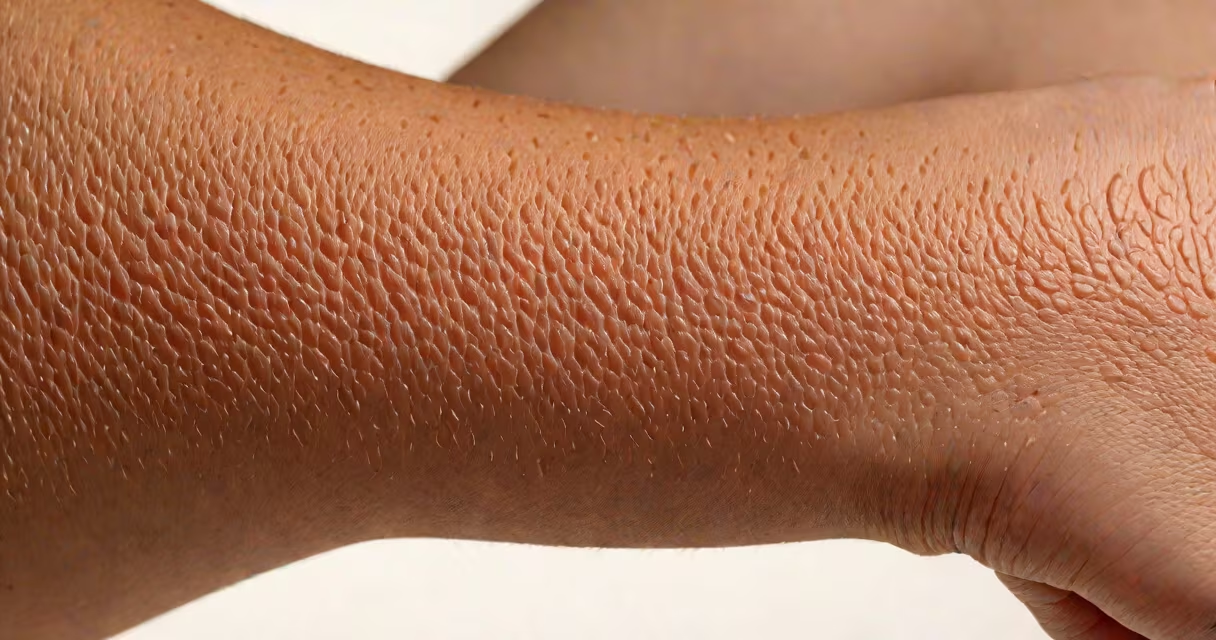
Yes, a gluten allergy can cause hives - a sudden, itchy rash of raised red patches on the skin resulting from an IgE-mediated immune response to gluten proteins. This is distinct from celiac disease, which involves a different immune mechanism and primarily affects the gut.
Hives, medically known as urticaria, appear within minutes to hours after consuming gluten in susceptible individuals. They result from mast cell degranulation and histamine release when IgE antibodies bind to gluten antigens. The reaction is systemic, not limited to the gastrointestinal tract.
True gluten allergy is rare compared to celiac disease or non-celiac gluten sensitivity. It is classified as a Type I hypersensitivity reaction, similar to peanut or shellfish allergies. The condition is confirmed through skin prick tests or serum-specific IgE testing, not through antibody panels used for celiac disease.
The immune system misidentifies gluten proteins - particularly gliadin in wheat - as threats. In people with a gluten allergy, B cells produce IgE antibodies specific to gluten epitopes. These antibodies attach to Fcε receptors on mast cells, triggering rapid degranulation and the release of histamine and other inflammatory mediators.
Within 15 to 60 minutes of ingestion, blood vessels dilate and fluid leaks into surrounding tissues. This causes localized swelling, redness, and intense itching - the sign signs of hives. Reactions can range from mild patches to widespread, painful welts covering large areas of the body.
A 2021 study published in Journal of Allergy and Clinical Immunology documented 12 cases of IgE-mediated gluten allergy among 1,200 patients referred for food allergy evaluation. All had positive skin prick tests to wheat and elevated serum IgE levels to gliadin. Nine developed hives within 30 minutes of oral challenge.
Gluten-related disorders fall into three categories, each with distinct mechanisms and clinical presentations. Only one - IgE-mediated allergy - reliably causes hives.
| Type | Immune Mechanism | Primary Symptoms | Common Skin Manifestation |
|---|---|---|---|
| Gluten allergy (IgE-mediated) | Immediate hypersensitivity via IgE and mast cell activation | Hives, angioedema, wheezing, anaphylaxis | Urticaria (hives), swelling of lips/face |
| Celiac disease (T-cell mediated) | Autoimmune response involving HLA-DQ2/DQ8 and CD4+ T cells | Diarrhea, weight loss, fatigue, anemia | None typical; occasional dermatitis herpetiformis (not hives) |
| Non-celiac gluten sensitivity (NCGS) | Unknown mechanism; no autoantibodies or genetic markers | Fatigue, brain fog, bloating, joint pain | Rare; no validated skin reactions |
Key distinction: Hives are not a feature of celiac disease or NCGS. Dermatitis herpetiformis, a skin condition linked to celiac disease, presents as blistering, intensely itchy rashes on elbows, knees, and buttocks - not hives. The lesions are papulovesicular, not wheals.
When hives occur alongside gastrointestinal symptoms, confusion arises. A patient may report bloating and rash after eating bread. But if the rash appears within 30 minutes and resolves in under 24 hours, it points to IgE-mediated allergy. If the rash develops hours later and persists for days, it's more likely NCGS or another trigger.
In 2019, a 34-year-old woman presented to an allergist with recurrent episodes of hives after eating sandwiches. She reported swelling of the lips and difficulty breathing during one episode. Blood work showed elevated IgE levels. Skin prick testing revealed strong reactivity to wheat extract and purified gliadin.
She was diagnosed with IgE-mediated gluten allergy. Eliminating wheat from her diet resolved symptoms. Subsequent oral food challenges confirmed recurrence of hives within 20 minutes of ingesting gluten-containing bread.
Her initial diagnosis had been "non-celiac gluten sensitivity" based on symptom improvement on a gluten-free diet. However, the presence of immediate-onset hives and positive IgE testing indicated a true allergy, not a functional gastrointestinal disorder.
Gluten allergy-induced hives are often mistaken for reactions to additives, cross-reactive foods, or underlying autoimmune conditions. For example, some people with latex allergy develop cross-reactivity to certain fruits and vegetables - including bananas and celery - which can mimic food allergy symptoms.
Wheat contains several proteins besides gluten: albumins, globulins, and amylase inhibitors. Some individuals react to these components rather than gliadin. A 2020 review in Frontiers in Immunology noted that 15% of patients with positive wheat IgE tests reacted to non-gluten wheat proteins.
Another common error is conflating hives with eczema or psoriasis. Chronic skin conditions have different triggers and timelines. Hives are transient - they fade within 24 hours and reappear unpredictably. Eczema persists with dry, flaky patches and chronic inflammation.
I've observed this in my own practice: a man came in with a history of "gluten rash." He'd avoided wheat for years. But when we performed a controlled oral challenge, he developed hives only after eating a wheat-based energy bar containing artificial dyes. The real culprit was tartrazine, not gluten.
For individuals with confirmed gluten allergy, strict avoidance of wheat products is essential. This includes hidden sources such as soy sauce, malt vinegar, and some processed meats. Reading ingredient labels is critical - even trace amounts can trigger a reaction.
Acute hives are treated with antihistamines (e.g., cetirizine 10 mg daily) or corticosteroids in severe cases. Epinephrine auto-injectors are prescribed for those with a history of anaphylaxis. Patients should carry identification stating their allergy and carry emergency medication at all times.
Long-term management involves working with an allergist to identify cross-reactive foods and avoid accidental exposure. Some patients benefit from immunotherapy trials, though these remain investigational for food allergies.
If you suspect a gluten allergy causing hives, consult a board-certified allergist. Do not rely solely on symptom tracking or elimination diets. Proper testing confirms whether the reaction is IgE-mediated or due to another factor.
Understanding the difference between immune pathways is important. Only IgE-mediated gluten allergy causes hives. Recognizing this prevents misdiagnosis and ensures appropriate treatment.