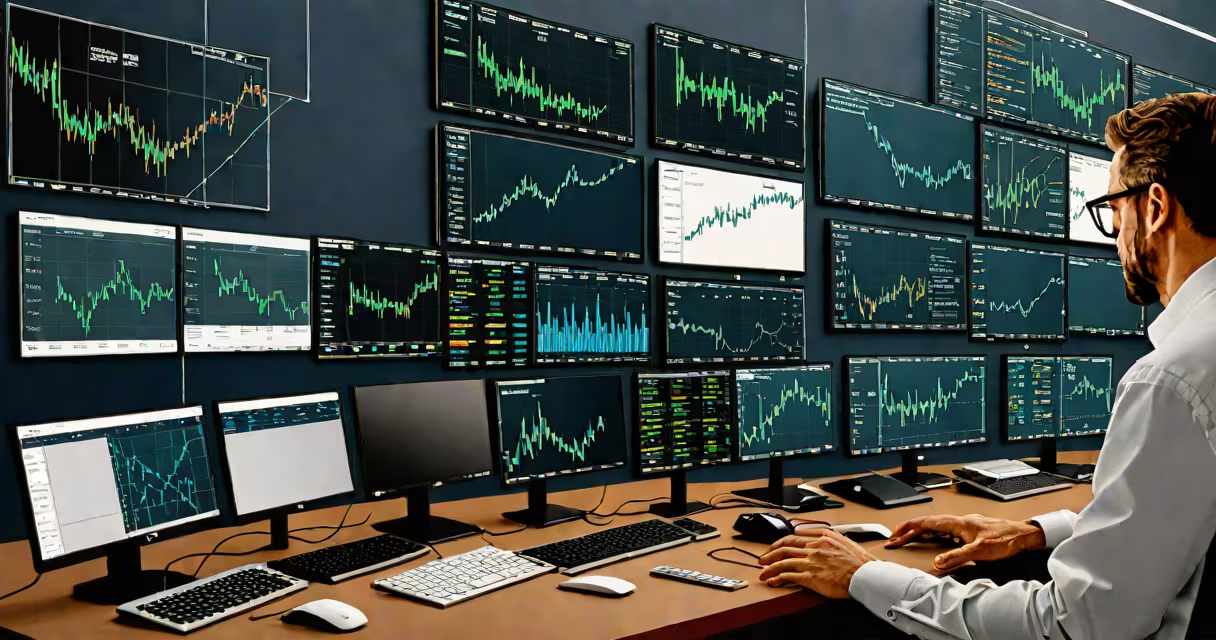
The best way to learn the stock market combines foundational knowledge, simulated trading with real-time data, and consistent review of actual market behavior. This method builds confidence and reduces risk before committing real capital.
Stock market learning begins with understanding core mechanics: how exchanges operate, what drives price changes, and how financial statements inform valuation. Without this base, even advanced strategies fail. For example, knowing that earnings reports affect stock prices within hours helps explain why companies release results quarterly.
After grasping basics, learners should simulate trades using paper trading platforms. These tools mimic live markets without financial risk. A 2023 study by the Financial Industry Regulatory Authority (FINRA) found that 68% of new investors who used paper trading for at least three months showed improved decision-making compared to those who skipped simulation.
Effective learning requires three pillars: theory, practice, and reflection. Theory includes studying market structure, asset classes, and economic indicators. Practice means executing trades in a risk-free environment. Reflection involves reviewing decisions afterward to identify patterns in judgment.
For theory, start with free resources from the U.S. Securities and Exchange Commission (SEC), which offers guides on investing basics, fraud prevention, and how markets work. The SEC's "Investor.gov" site provides interactive modules covering topics like diversification and compound interest.
Practice through paper trading lets users test strategies. Platforms like Investopedia's Paper Trading allow access to real-time data and historical charts. You can set up a $100,000 virtual portfolio and trade based on current market conditions. After 30 days, compare your performance against major indices like the S&P 500.
Many assume that watching financial news channels or following social media influencers teaches investing. This is incorrect. News commentary often emphasizes volatility and emotional reactions, not long-term strategy. A 2022 report from the National Bureau of Economic Research found that retail investors who relied heavily on social media for stock picks underperformed the market by 12.3% annually over five years.
Another misconception is that you need large amounts of money to begin. You don't. With as little as $10, you can buy fractional shares of companies like Apple or Amazon through apps such as Robinhood or Fidelity. This allows exposure to growth stocks without high entry costs.
A non-obvious fact: most successful traders spend more time analyzing their own mistakes than studying winning trades. Reviewing past trades-especially losing ones-reveals behavioral biases like fear of missing out (FOMO) or overconfidence. One trader I observed kept a daily journal for six months. He identified that he consistently sold winners too early and held losers too long-a pattern confirmed by his brokerage's performance report.
| Method | Time Required | Cost | Best For |
|---|---|---|---|
| Free online courses (e.g., SEC Investor.gov) | 5-10 hours | Free | Foundational knowledge |
| Paper trading platforms | 1-3 months of regular use | Free to low-cost | Strategy testing |
| Structured courses (e.g., Coursera's "Financial Markets" by Yale) | 6-8 weeks | $50-$100 | Deeper academic context |
| Live mentorship or coaching | 3-6 months | $500+ | Personalized feedback |
Each method serves a different stage. Free courses offer accessibility. Paper trading bridges theory and action. Structured courses provide rigor. Live coaching accelerates progress but carries higher risk of poor advice.
Apply learning in real market environments only after consistent success in paper trading. Aim for at least three consecutive months of positive returns in simulations before allocating small real funds.
Start with index funds or ETFs. These track broad market indexes and reduce individual stock risk. For example, buying SPY (an S&P 500 ETF) gives exposure to 500 large U.S. companies. Over 20 years, SPY returned an average of 9.2% annually, according to Morningstar data.
When entering real trades, limit initial positions to 1-2% of your total account value. This prevents large losses from single bad decisions. Track each trade: entry price, exit reason, outcome. Revisit these records monthly.
Some learners skip fundamentals and jump into day trading. This leads to rapid losses. The CBOE Futures Exchange reports that 90% of day traders lose money within the first two years. Avoid this trap by building skills slowly.
The best way to learn stock market is a blend of verified knowledge, risk-free experimentation, and disciplined review. Skip flashy promises. Focus on consistency, patience, and continuous improvement. Real skill develops over time-not overnight.
Understanding the stock market isn't about predicting the future-it's about managing risk, learning from outcomes, and adapting. That's the real foundation of lasting success.