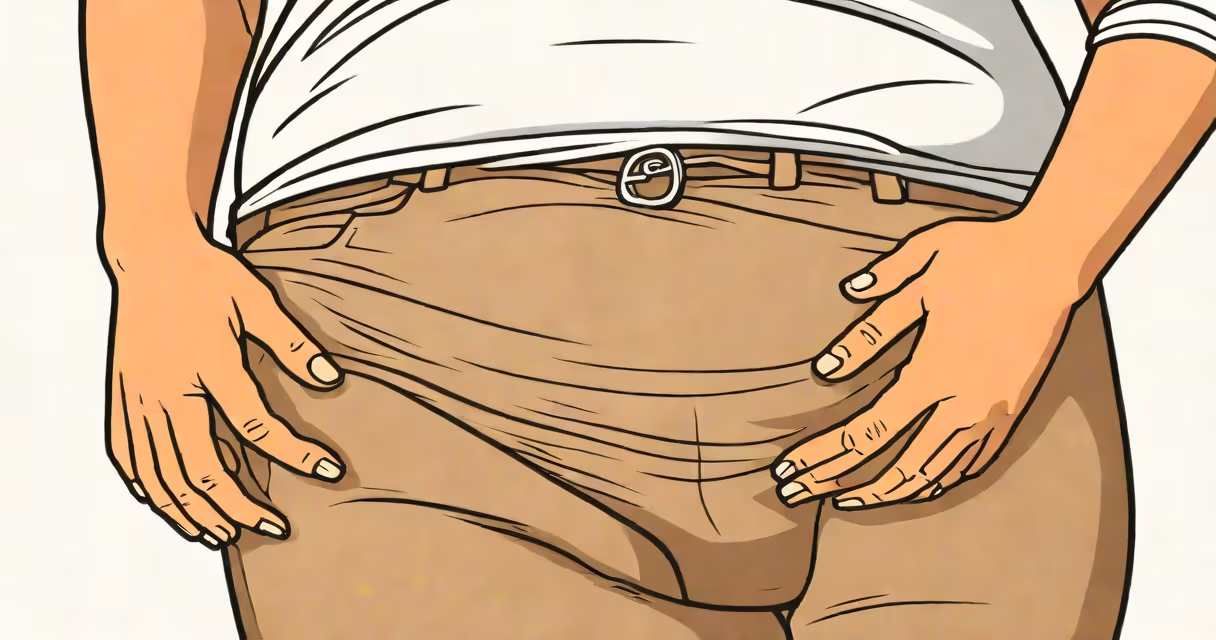
When your poop is stuck, it means stool has slowed or stopped moving through your colon, often due to dehydration, low fiber intake, medication side effects, or underlying conditions like irritable bowel syndrome or hypothyroidism. This state is clinically known as constipation.
Stool forms in the large intestine as water is absorbed from digested food. Normally, muscles in the colon contract rhythmically to push waste toward the rectum. When this process slows, stool becomes hard and dry, making it difficult to pass. The sensation of being "stuck" usually means the stool is lodged in the lower colon or rectum, sometimes requiring manual assistance.
The American College of Gastroenterology defines constipation as fewer than three bowel movements per week, with straining, lumpy or hard stools, or a feeling of incomplete evacuation. Persistent issues may indicate a deeper problem. For example, a 2022 study in *Gastroenterology* found that nearly 15% of adults report chronic constipation, with women twice as likely as men to be affected.
Digestion begins in the mouth and continues through the small intestine, where nutrients are absorbed. The remaining material enters the large intestine, where water is drawn out, turning liquid waste into solid stool. Peristalsis-the wave-like muscle contractions-moves the stool toward the anus.
If these contractions slow or fail, stool remains in the colon too long. Water absorption increases, making the stool dense and difficult to expel. This leads to the sensation of being "stuck." In severe cases, stool can accumulate and form a mass called a fecal impaction, which cannot be passed voluntarily.
A 2021 clinical review in *The Lancet Gastroenterology & Hepatology* noted that prolonged constipation can lead to rectal prolapse, hemorrhoids, or even bowel obstruction if untreated. Early recognition of warning signs is critical.
Constipation has multiple root causes. Some are lifestyle-related, others stem from medical conditions or medications.
| Category | Examples | Prevalence/Notes |
|---|---|---|
| Lifestyle | Low fluid intake, insufficient dietary fiber, lack of physical activity | Accounts for ~60% of mild cases; improves with hydration and diet changes |
| Medications | Opioids, antacids with aluminum, some antidepressants | Up to 30% of patients on opioids develop constipation; dose-dependent |
| Medical Conditions | Irritable bowel syndrome (IBS-C), hypothyroidism, diabetes, Parkinson's disease | IBS-C affects ~10% of the U.S. population; linked to altered gut motility |
| Structural Issues | Rectocele, anal fissures, pelvic floor dysfunction | Pelvic floor dysfunction occurs in ~25% of chronic constipation cases; often underdiagnosed |
One non-obvious fact: stress doesn't cause constipation directly, but it alters gut-brain signaling. The enteric nervous system, often called the "second brain," communicates with the central nervous system. Chronic stress can suppress colonic motility, leading to delayed transit time. A 2020 study in *Neurogastroenterology & Motility* showed that patients with anxiety disorders had a 40% higher risk of developing functional constipation.
Confusion arises between normal infrequent bowel movements and true constipation. Some people go every four days and feel fine. Others feel backed up after two days. The difference lies in consistency and effort, not frequency alone.
True constipation involves straining during more than 25% of bowel movements, passing lumpy or hard stools, or a sense of incomplete evacuation. If you're using manual maneuvers-like pushing with your hands-to pass stool, that's a red flag. So is passing blood or experiencing sudden abdominal pain.
For example, a 48-year-old woman reported feeling "stuck" for five days. She had no appetite, bloating, and dull lower abdominal pain. Her doctor diagnosed fecal impaction after a digital rectal exam revealed a firm mass. After enema administration and laxatives, she passed 1.2 kg of impacted stool. This case illustrates that "stuck" can mean physical obstruction, not just delay.
Start with hydration-drink 1.5 to 2 liters of water daily. Increase fiber intake gradually to 25-30 grams per day from whole grains, fruits, vegetables, and legumes. Walking 30 minutes daily improves colonic motility.
If these steps don't resolve the issue within 3-5 days, consult a healthcare provider. Over-the-counter options include polyethylene glycol (Miralax), which draws water into the colon, or stimulant laxatives like senna-but only for short-term use.
Do not attempt to dislodge a blockage with enemas or suppositories without medical guidance. In rare cases, surgical intervention may be needed. A 2023 study in *Clinical Gastroenterology and Hepatology* found that 1 in 10 patients with chronic constipation required surgery after failed conservative treatment.
"Why is my poop stuck" points to disrupted colonic function. It's not just about going less often-it's about effort, consistency, and physical sensation. Persistent blockage requires evaluation. Lifestyle changes help most cases, but medical causes must be ruled out.
Understanding the difference between temporary discomfort and pathological constipation prevents delays in treatment. Early action reduces complications like hemorrhoids, anal fissures, or rectal prolapse.
Recognizing the signs early-especially if you've gone five days without a bowel movement-can prevent escalation. Addressing the root cause, whether dietary, pharmacological, or physiological, is essential for lasting relief.