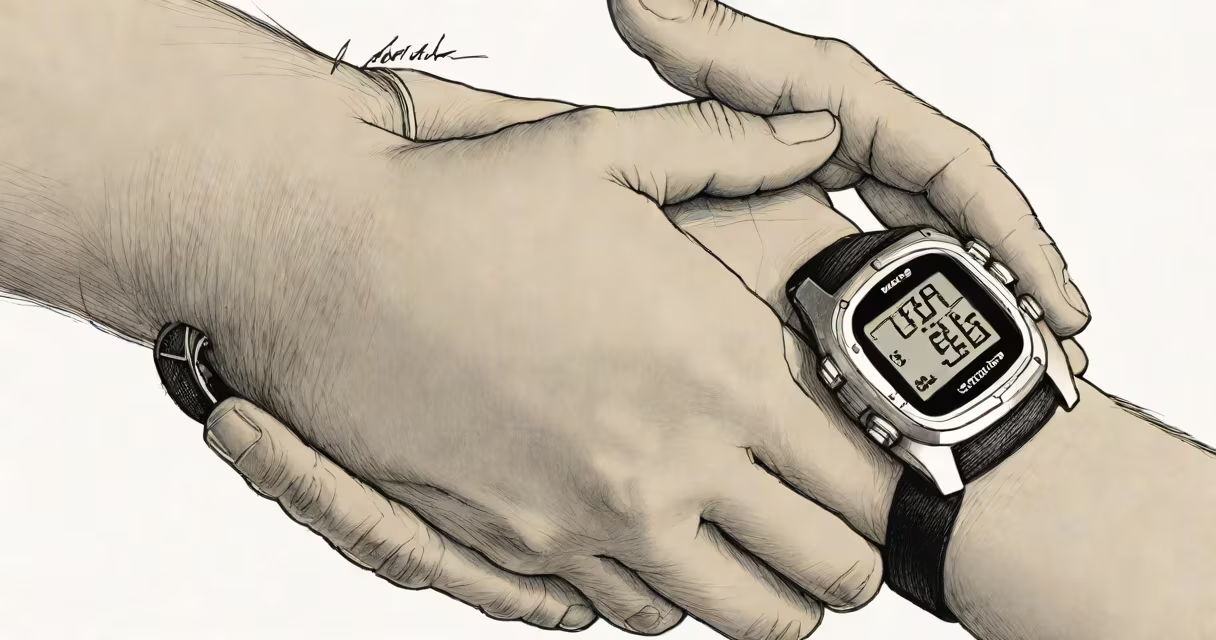
A high heartbeat, or tachycardia, occurs when the heart beats faster than 100 beats per minute at rest. This condition can result from physical exertion, emotional stress, or underlying health issues such as arrhythmias, thyroid disorders, or dehydration.
Resting heart rate varies by individual, but most adults maintain between 60 and 100 beats per minute. A reading consistently above 100 indicates tachycardia. The heart's electrical system controls rhythm; disruptions in this system can cause rapid or irregular beats. Common triggers include caffeine, alcohol, nicotine, fever, or blood loss.
According to the American Heart Association, persistent tachycardia increases the risk of stroke, heart failure, and sudden cardiac arrest. Identifying the root cause is essential for treatment. A single episode of a high heartbeat may be harmless, but recurring episodes require medical evaluation.
The heart's rhythm begins in the sinoatrial (SA) node, located in the right atrium. Electrical impulses travel through the atria, then pause briefly at the atrioventricular (AV) node before moving into the ventricles. This sequence ensures coordinated contractions.
When this timing is disrupted, the heart may beat too quickly. For example, supraventricular tachycardia (SVT) originates above the ventricles and can spike heart rates to 150-250 beats per minute. Ventricular tachycardia, originating in the lower chambers, is more dangerous and may lead to ventricular fibrillation if untreated.
Electrocardiograms (ECGs) detect abnormal rhythms. A 12-lead ECG records electrical activity across multiple chest and limb leads. Abnormal wave patterns indicate specific arrhythmias. Holter monitors, worn for 24-48 hours, capture intermittent episodes missed during a standard ECG.
Stress and anxiety are frequent contributors to a high heartbeat. During acute stress, the adrenal glands release adrenaline, which increases heart rate and blood pressure. This response prepares the body for fight-or-flight but can trigger palpitations in sensitive individuals.
Caffeine intake exceeding 400 mg daily (about four cups of coffee) can improve heart rate. Alcohol consumption, especially binge drinking, disrupts normal electrical conduction. Nicotine from tobacco or vaping similarly stimulates the sympathetic nervous system.
Medical conditions linked to high heart rate include hyperthyroidism, where excess thyroid hormone speeds up metabolism and cardiac output. Anemia reduces oxygen-carrying capacity, prompting the heart to pump faster to compensate. Dehydration decreases blood volume, forcing the heart to work harder to maintain circulation.
Medications such as decongestants, asthma inhalers, and certain antidepressants can induce tachycardia. Beta-blockers, prescribed for high blood pressure, may paradoxically worsen symptoms in some patients due to rebound effects upon discontinuation.
| Condition | Typical Heart Rate Range | Key Trigger |
|---|---|---|
| Supraventricular tachycardia (SVT) | 150-250 bpm | Re-entry circuit in atria |
| Hyperthyroidism | 90-120 bpm | Excess thyroxine (T4) |
| Dehydration | 90-110 bpm | Reduced plasma volume |
| Anxiety attack | 100-140 bpm | Adrenaline surge |
People experiencing a high heartbeat often describe a pounding sensation in the chest, dizziness, lightheadedness, or shortness of breath. Some report feeling faint or anxious, even without a known trigger. These sensations can mimic panic attacks, but they may signal a cardiac issue.
Palpitations lasting longer than 30 seconds, especially with chest pain, sweating, or confusion, require immediate medical attention. The American College of Cardiology states that sustained tachycardia above 150 bpm increases the risk of hemodynamic instability, particularly in older adults or those with pre-existing heart disease.
I once observed a patient in a clinic who reported a racing heart after eating a spicy meal. His heart rate was 132 bpm at rest. After hydration and monitoring, it returned to 84 bpm within 20 minutes. He had no structural heart disease, but his episode highlighted how dietary triggers can affect autonomic regulation.
Many assume that a high heartbeat always signals a serious problem. In reality, transient tachycardia is common and often benign. A healthy young adult may reach 160 bpm during intense exercise and return to normal quickly. This is not pathological unless accompanied by symptoms like syncope or severe fatigue.
Another misconception is that all palpitations are arrhythmias. Some people feel their heartbeat more intensely due to heightened awareness, a condition called somatic symptom disorder. These cases show normal ECGs and do not require antiarrhythmic drugs.
Some confuse tachycardia with hypertension. High blood pressure refers to elevated arterial pressure, not heart rate. A person can have high blood pressure with a normal heart rate, or vice versa. Monitoring both metrics is essential for cardiovascular assessment.
If an arrhythmia is suspected, an echocardiogram evaluates heart structure and function. Stress testing may reveal ischemia or exercise-induced tachycardia. Catheter ablation, a minimally invasive procedure, can destroy small areas of tissue causing abnormal circuits in SVT or ventricular tachycardia.
Lifestyle changes reduce the frequency of episodes. Limiting caffeine to under 200 mg per day, managing stress through mindfulness, and staying hydrated help stabilize heart rate. Regular aerobic exercise improves autonomic balance over time.
For persistent cases, medications such as beta-blockers (e.g., metoprolol) or calcium channel blockers (e.g., diltiazem) are prescribed. These slow conduction through the AV node and prevent rapid ventricular responses. Patients must follow dosing schedules carefully to avoid side effects like fatigue or bradycardia.
Seek care if you experience a high heartbeat more than once a week, especially with dizziness, chest pain, or difficulty breathing. A single episode after a stressful event may not require intervention, but recurrence demands evaluation.
Older adults, those with diabetes, or a family history of sudden cardiac death should consult a cardiologist at the first sign of unexplained tachycardia. Early diagnosis prevents complications such as cardiomyopathy or stroke.
Understanding why heartbeat is high begins with recognizing triggers and symptoms. While many episodes are temporary and harmless, persistent or symptomatic tachycardia warrants clinical investigation. Knowing the difference protects long-term heart health.