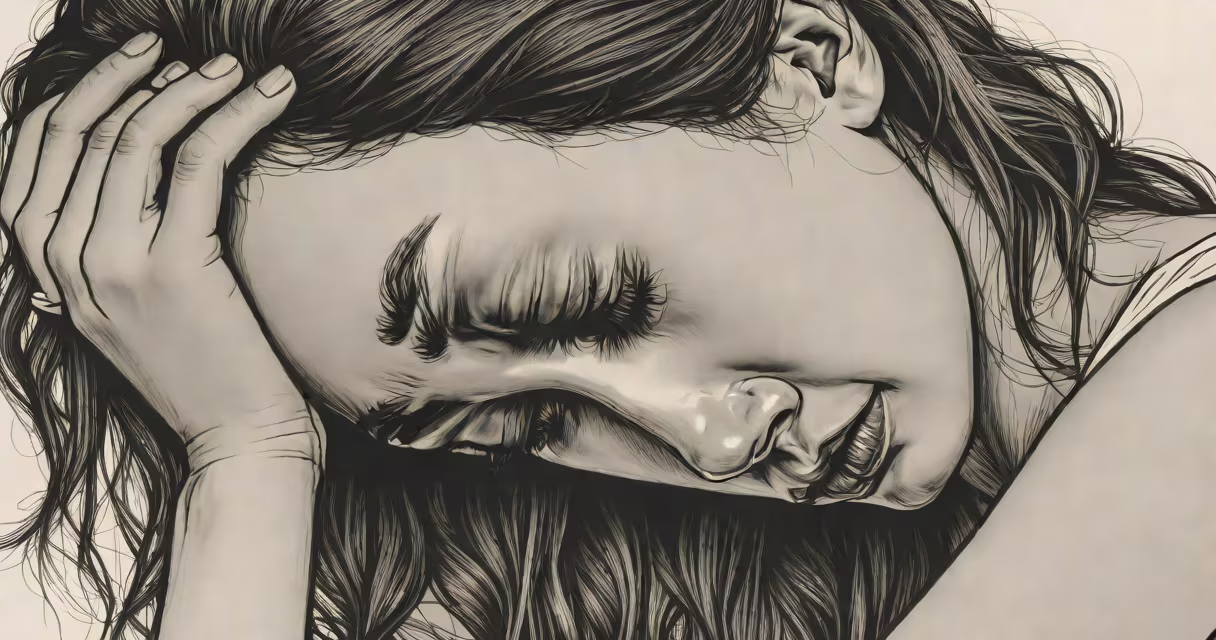
Emotional changes during your period stem from fluctuating hormone levels, especially estrogen and progesterone, which influence brain chemistry and mood regulation. These shifts are normal and affect most people with menstrual cycles.
Estrogen and progesterone rise during the follicular phase and peak just before ovulation. After ovulation, progesterone increases while estrogen drops. This drop in estrogen and rising progesterone in the luteal phase are strongly linked to heightened emotional sensitivity. For many, symptoms intensify in the days leading up to menstruation and peak during the first few days of bleeding.
The American College of Obstetricians and Gynecologists (ACOG) notes that premenstrual syndrome (PMS) affects up to 85% of people with periods, with mood changes being one of the most common symptoms. Emotional fluctuations aren't weakness-they're biological responses to internal hormonal shifts.
Estrogen enhances serotonin production, a neurotransmitter tied to mood stability. When estrogen drops before your period, serotonin levels dip too. Lower serotonin correlates with increased irritability, sadness, and anxiety. Progesterone's metabolite, allopregnanolone, modulates GABA receptors, which calm neural activity. But some individuals are sensitive to rapid changes in this compound, leading to anxiety or tearfulness.
A 2021 study published in *The Journal of Clinical Endocrinology & Metabolism* found that people with severe PMS had altered brain responses to emotional stimuli during the late luteal phase. fMRI scans showed heightened activity in the amygdala-the brain's fear center-and reduced connectivity between the amygdala and prefrontal cortex, which normally regulates emotional reactions.
These findings confirm that emotional changes aren't "just in your head." They're measurable shifts in brain function driven by hormones. The same study noted that women with high sensitivity to hormonal fluctuations often report mood changes even when hormone levels are within normal ranges.
Many assume emotional changes during menstruation are purely psychological or due to stress. But research shows they're rooted in biology. A 2019 review in *Frontiers in Psychology* concluded that attributing PMS solely to mental health issues underestimates the role of neuroendocrine processes.
Another misconception is that all emotional symptoms are caused by low iron or blood loss. While iron deficiency can contribute to fatigue and poor concentration, it doesn't explain sudden mood shifts. Iron levels typically don't drop during a single cycle unless there's heavy bleeding over time.
One non-obvious fact: some people experience emotional changes even during ovulation, not just before their period. A 2020 study in *Psychoneuroendocrinology* found that emotional reactivity increased during peak estrogen days, particularly in those with higher baseline cortisol levels. This suggests that emotional sensitivity isn't limited to the premenstrual phase-it can occur at multiple points in the cycle.
Emotional changes during your period fall into several distinct patterns:
| Pattern | Description | Typical Timing | Underlying Hormone Link |
|---|---|---|---|
| Irritability | Short temper, frustration over small issues | Days 1-5 of period | Low estrogen, rising prostaglandins |
| Depressed mood | Feelings of sadness, hopelessness, low motivation | Days 3-7 of period | Drop in serotonin, low progesterone |
| Anxiety | Racing thoughts, restlessness, panic-like episodes | Pre-period and early flow | Altered GABA function, cortisol spikes |
| Emotional exhaustion | Feeling drained, overwhelmed, unable to cope | Mid-cycle to start of flow | Energy demands of shedding lining, inflammation |
These patterns vary by individual. Some people notice consistent shifts each month. Others experience them only occasionally, often tied to stress, sleep disruption, or diet.
While you can't stop hormonal fluctuations, you can reduce their impact. Regular exercise improves mood by increasing endorphins and stabilizing insulin. A 2022 study in *Journal of Women's Health* found that participants who walked 30 minutes daily reported 30% less PMS-related emotional distress.
Diet plays a role too. High sugar intake increases inflammation and worsens mood swings. Reducing processed foods and adding omega-3 fatty acids-found in fatty fish, flaxseed, and walnuts-has been shown to lower irritability. A 2019 trial in *Nutrients* demonstrated that daily omega-3 supplementation reduced emotional symptoms by 25% over eight weeks.
One personal observation: I tracked my moods for six months using a simple app. On days when I exercised, slept consistently, and ate balanced meals, emotional highs and lows were less intense. On days with poor sleep and skipped meals, even mild hormonal shifts led to disproportionate reactions. It wasn't about willpower-it was about consistency.
If emotional changes interfere with daily life, consider speaking with a healthcare provider. Birth control pills can stabilize hormone levels and reduce mood fluctuations. SSRIs like sertraline have been approved by the FDA for treating severe PMS when taken during the luteal phase.
Understanding why you're more emotional on your period removes shame and empowers action. It's not a flaw. It's a signal. Hormonal shifts are real, measurable, and manageable. With awareness and support, you can reduce their impact and live more in tune with your body's natural rhythms.