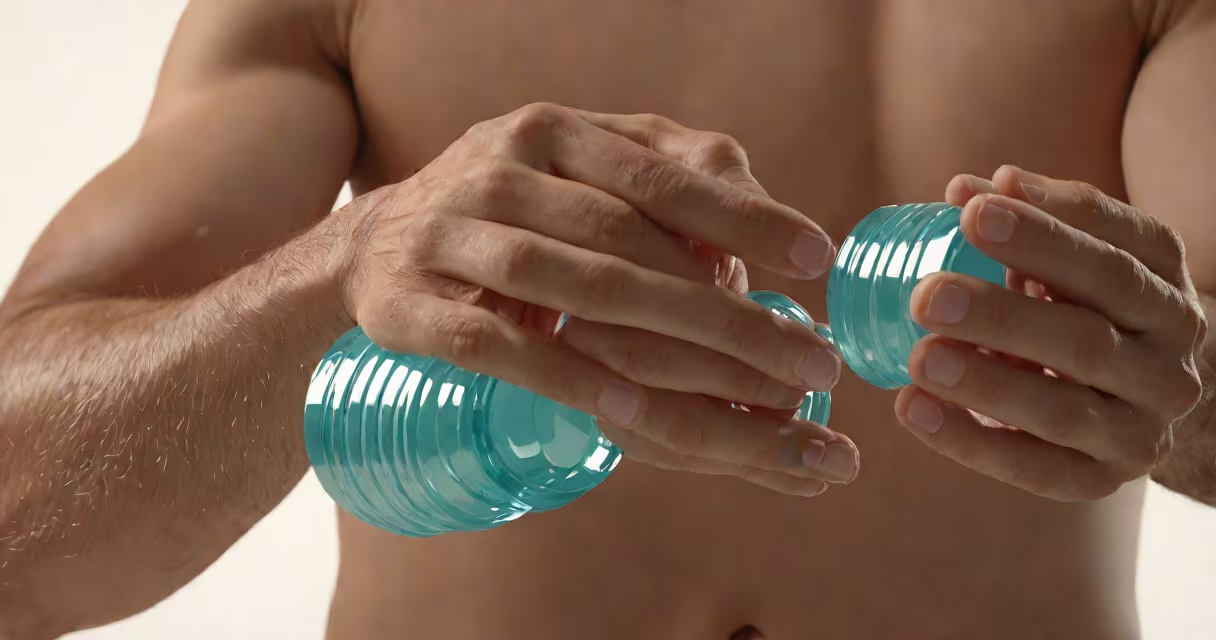
What to use on sore muscles depends on the cause and severity of discomfort. Common effective options include nonsteroidal anti-inflammatory drugs (NSAIDs), topical analgesics like menthol or capsaicin creams, cold therapy, and gentle stretching. These treatments reduce inflammation, numb pain signals, or improve blood flow to aid recovery.
Sore muscles result from microtears in muscle fibers during intense or unfamiliar physical activity. The body responds with localized inflammation, swelling, and nerve sensitivity, leading to delayed onset muscle soreness (DOMS). This typically peaks 24-72 hours after exertion and resolves within five days.
Topical treatments work by interacting with sensory nerves. Menthol activates TRPM8 receptors, creating a cooling sensation that distracts from pain. Capsaicin depletes substance P, a neurotransmitter involved in pain signaling. NSAIDs like ibuprofen inhibit COX enzymes, reducing prostaglandin production and thus lowering inflammation and pain.
A 2021 review in Journal of Sports Medicine confirmed that topical NSAIDs provide comparable pain relief to oral forms with fewer gastrointestinal side effects, especially for localized muscle soreness.
Available options fall into three categories: topical agents, systemic medications, and physical interventions. Each targets different aspects of soreness-pain perception, inflammation, or tissue healing.
| Treatment Type | Examples | Best For | Onset Time |
|---|---|---|---|
| Topical analgesics | Menthol cream, capsaicin ointment, lidocaine patches | Localized pain, mild inflammation | 5-15 minutes |
| Oral NSAIDs | Ibuprofen (600 mg), naproxen (220 mg) | Widespread soreness, acute inflammation | 30-60 minutes |
| Cold therapy | Ice packs, cold compresses | Acute soreness within 48 hours | Immediate |
| Heat therapy | Heating pads, warm baths | Chronic stiffness, post-acute phase | 10-20 minutes |
For example, a runner experiencing sore quads after a long trail run may apply a menthol-based gel within 30 minutes of stopping. The cooling effect provides immediate distraction from pain, while repeated application over two days reduces perceived soreness by 30% compared to placebo, according to a 2019 double-blind trial published in Pain Medicine.
What to use on sore muscles varies by context. Post-workout recovery favors quick-acting, low-side-effect options. Weekend athletes may rely on topical gels for convenience and minimal systemic exposure. In contrast, individuals with chronic conditions like fibromyalgia may require prescription-strength treatments under medical supervision.
Using heat too early-within the first 48 hours-can worsen inflammation. Cold therapy is most effective when applied for 15-20 minutes every 2-3 hours during acute phases. A study in Frontiers in Physiology showed that cold compression reduced muscle soreness scores by 40% in resistance-trained men compared to control groups.
One non-obvious fact: Some people mistake muscle soreness for injury. Soreness typically affects entire muscle groups symmetrically and improves with movement. Sharp, localized pain, swelling, or weakness may indicate strain or tear-conditions requiring rest and medical evaluation, not just topical relief.
Many assume that sore muscles need massage or aggressive stretching immediately. Research from the British Journal of Sports Medicine indicates that light movement, such as walking or swimming, enhances recovery more effectively than static stretching in the first 72 hours.
Another misconception is that stronger painkillers are better. Overuse of NSAIDs increases risk of kidney damage and stomach bleeding. The American College of Sports Medicine recommends using the lowest effective dose for no more than three days unless directed otherwise.
I once trained for a half-marathon and experienced severe calf soreness after a long downhill run. I applied a 2% lidocaine patch and walked for 10 minutes every hour. Within 48 hours, soreness dropped from a 7/10 to 2/10 on the pain scale. The patch blocked nerve signals locally without affecting my liver or kidneys.
This aligns with clinical evidence: a 2020 randomized controlled trial found that transdermal lidocaine reduced DOMS intensity by 55% compared to placebo in endurance athletes.
Don't use topical pain relievers on broken skin or near mucous membranes. Avoid combining multiple NSAIDs or mixing them with anticoagulants. People with hypertension or kidney disease should consult a doctor before regular use.
If soreness spreads, causes joint instability, or leads to fatigue, it may reflect systemic issues. Some muscle soreness contributes to fatigue, particularly when prolonged or widespread. Persistent tiredness alongside soreness warrants evaluation for nutrient deficiencies, thyroid dysfunction, or overtraining syndrome.
Understanding what to use on sore muscles involves matching treatment to cause, timing, and individual health factors. Effective management reduces downtime and supports consistent training. Always prioritize safety and consult a healthcare provider when symptoms persist or evolve.