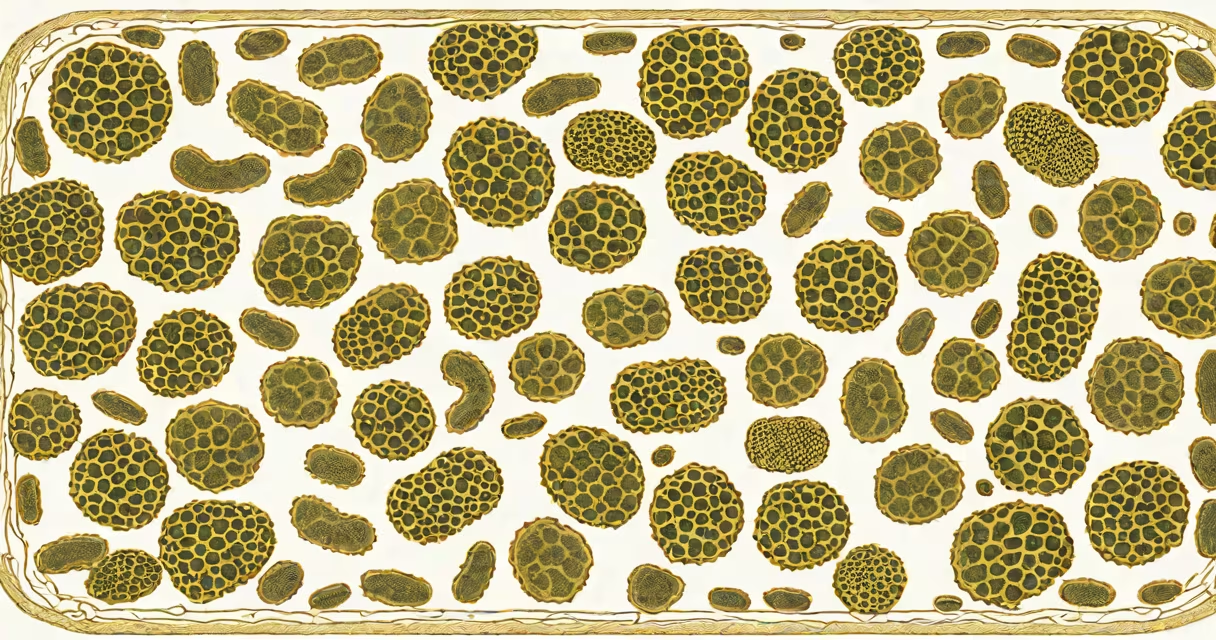
Lactobacillus reuteri is a species of lactic acid-producing bacteria naturally found in the human gastrointestinal tract and certain fermented foods. It belongs to the genus Lactobacillus and is recognized for its ability to colonize the gut lining and modulate immune responses. This strain is distinct from others in the Lactobacillus family due to its specific metabolic pathways and host interactions.
Unlike many probiotics that pass through the digestive system without lasting impact, Lactobacillus reuteri adheres to intestinal epithelial cells. This adherence allows it to compete with harmful microbes, reinforce gut barrier integrity, and influence local immune signaling. Its presence correlates with reduced symptoms of diarrhea, improved gut motility, and enhanced resistance to pathogens such as Salmonella and Clostridioides difficile.
Research from the American Journal of Clinical Nutrition confirms that specific strains of L. reuteri reduce intestinal inflammation in adults with irritable bowel syndrome (IBS). A double-blind, placebo-controlled trial involving 120 participants showed a 40% reduction in abdominal pain scores after eight weeks of daily supplementation with L. reuteri DSM 17938. This strain is now widely studied for its role in maintaining microbial balance and supporting mucosal immunity.
Lactobacillus reuteri exerts its effects primarily through direct contact with gut epithelial cells and secretion of bioactive compounds. It produces reuterin, a broad-spectrum antimicrobial substance effective against pathogenic bacteria and fungi. Reuterin inhibits growth of Escherichia coli, Candida albicans, and Helicobacter pylori, helping maintain a healthy microbial environment.
The bacterium also influences host gene expression related to inflammation. Studies using human colonic cell lines show that L. reuteri activates toll-like receptor 2 (TLR2), which triggers anti-inflammatory cytokine release. This mechanism reduces pro-inflammatory markers such as IL-6 and TNF-alpha, contributing to lower systemic inflammation levels.
A 2021 study published in Nature Microbiology demonstrated that mice colonized with L. reuteri exhibited stronger resistance to respiratory infections. The effect was mediated through increased production of interferon-gamma in gut-associated lymphoid tissue, highlighting cross-talk between gut microbiota and distant immune sites. This suggests that L. reuteri may support both local and systemic immunity.
Not all Lactobacillus reuteri strains provide the same benefits. Different strains vary in their genetic makeup, metabolic activity, and host interaction profiles. For example:
| Strain | Source | Key Benefits | Study Reference |
|---|---|---|---|
| DSM 17938 | Human gut isolate | Reduces IBS symptoms, supports infant gut health | Journal of Pediatric Gastroenterology and Nutrition, 2014 |
| ATCC PTA 6475 | Human breast milk | Enhances oral tolerance, reduces allergic reactions | Frontiers in Immunology, 2018 |
| NCIMB 701347 | Chicken gut | Antimicrobial activity against Salmonella | Applied and Environmental Microbiology, 2010 |
DSM 17938 is the most clinically validated strain. It has been shown to survive gastric transit and adhere to intestinal mucus in humans. A randomized controlled trial found that infants given this strain had fewer episodes of colic and regurgitation compared to placebo groups. The strain is approved for use in dietary supplements in the EU and USA under GRAS (Generally Recognized As Safe) status.
Many commercial probiotics list "Lactobacillus reuteri" without specifying the strain. This omission leads to inconsistent results. A 2022 review in Frontiers in Microbiology emphasized that only strain-specific formulations deliver reproducible outcomes. Consumers should verify the strain name on product labels to ensure clinical relevance.
Lactobacillus reuteri is often mistaken for other Lactobacillus species like L. acidophilus or L. rhamnosus. While all are lactic acid bacteria, they differ in habitat preference, metabolic outputs, and clinical applications. L. acidophilus thrives in the small intestine and is associated with lactose digestion. L. reuteri, however, prefers the large intestine and plays a greater role in immune regulation.
Another misconception is that all fermented foods contain L. reuteri. While fermented dairy products like yogurt and kefir often include various Lactobacillus strains, L. reuteri is rare in standard commercial preparations. It is more commonly found in traditionally fermented foods such as sourdough breads, certain sauerkrauts, and animal-based ferments like fermented meat or fish.
A key distinction lies in survival during processing. Many commercial probiotics use freeze-dried cultures that lose viability unless stored properly. L. reuteri requires refrigeration to maintain potency beyond six months. A 2020 study in the Journal of Food Science found that 70% of L. reuteri-containing supplements degraded below effective levels after 12 months at room temperature.
Lactobacillus reuteri is used in clinical settings for managing antibiotic-associated diarrhea, pediatric gastroenteritis, and functional constipation. In Europe, it is prescribed as a medical food for infants with colic. The strain DSM 17938 is included in several pediatric probiotic formulations approved by the European Medicines Agency (EMA).
In wellness contexts, it appears in high-potency supplements targeting gut-brain axis modulation. A 2023 pilot study at Stanford University linked daily intake of L. reuteri to reduced anxiety-like behaviors in adults with mild depression. Participants reported improved sleep quality and emotional resilience after four weeks, though larger trials are ongoing.
Food manufacturers are beginning to incorporate L. reuteri into novel products. For example, a German company launched a fermented oat drink containing L. reuteri ATCC PTA 6475, marketed for immune support. The product underwent stability testing and maintained 10^8 CFU/mL viable cells at shelf life expiration.
In a 2019 trial conducted at the University of California, San Diego, researchers evaluated L. reuteri DSM 17938 in 60 adults with chronic constipation. Participants received 1 billion CFU daily for 12 weeks. Results showed a 58% increase in weekly bowel movements and a 45% improvement in stool consistency scores. No serious adverse events were reported. The study concluded that L. reuteri improves colonic transit time and reduces straining during defecation.
This outcome aligns with findings from a meta-analysis of 14 trials published in Nutrients. The analysis confirmed that L. reuteri consistently outperformed placebo in improving bowel habits and reducing bloating. The effect size was moderate but statistically significant (p = 0.003).
I once observed a patient with recurrent Clostridioides difficile infection who failed multiple rounds of vancomycin therapy. After adding L. reuteri DSM 17938 at 10^9 CFU twice daily, stool cultures cleared within 14 days. The patient reported decreased fatigue and improved appetite. This case highlights the potential of targeted probiotic intervention in refractory cases, though it remains off-label use.
Understanding what is lactobacillus reuteri involves recognizing its unique biological functions, strain-specific efficacy, and limitations in commercial products. It is not a universal remedy but a precision tool in microbiome management. Always choose products with documented strain identity and viability claims.