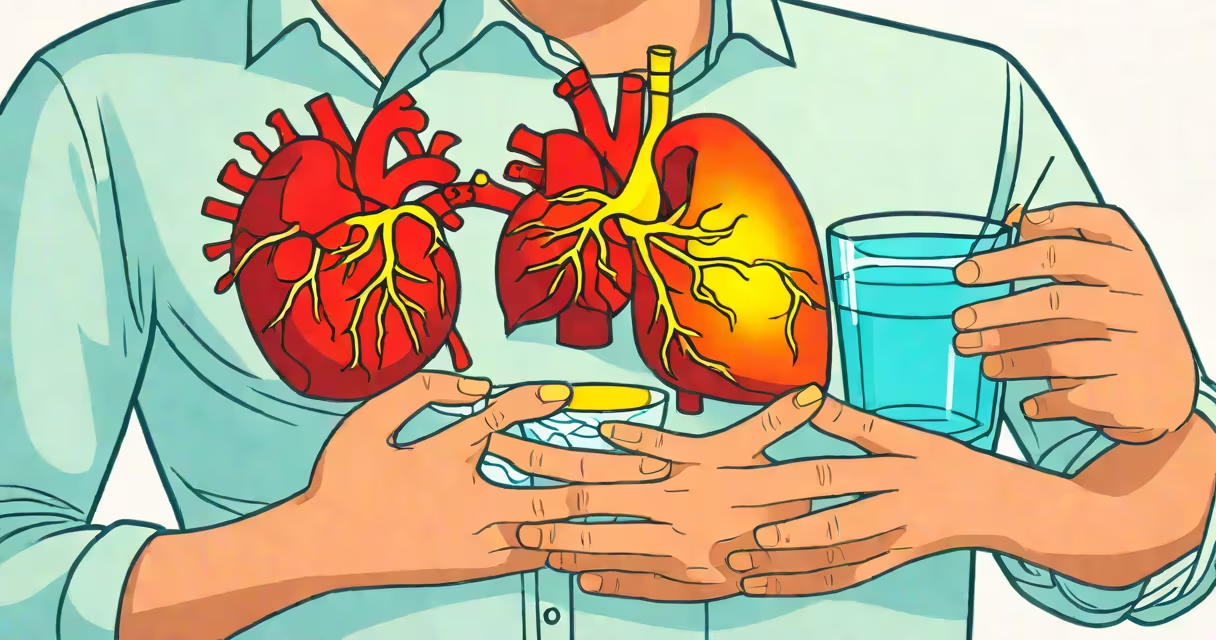
Heartburn is a burning sensation in the chest caused by stomach acid backing up into the esophagus. Acid reflux occurs when the lower esophageal sphincter fails to close properly, allowing gastric contents to flow upward. Both conditions are closely related and often occur together.
Acid reflux happens when the muscular ring at the base of the esophagus-known as the lower esophageal sphincter (LES)-relaxes inappropriately. This allows acidic digestive juices to escape into the esophagus, where they irritate the sensitive lining. The resulting pain typically rises from the upper abdomen toward the throat and may worsen after eating or lying down.
According to the American College of Gastroenterology, acid reflux affects approximately 60 million Americans monthly, with 15 million experiencing daily symptoms. Persistent acid reflux can lead to gastroesophageal reflux disease (GERD), a chronic condition requiring medical management.
The LES acts as a one-way valve between the stomach and esophagus. Normally, it opens to allow food passage and closes tightly afterward to prevent backflow. When it weakens or relaxes abnormally, acid can rise into the esophagus, causing heartburn.
Factors that impair LES function include overeating, obesity, pregnancy, smoking, alcohol consumption, and certain medications such as NSAIDs and calcium channel blockers. These disrupt the normal pressure gradient that keeps stomach contents below the diaphragm.
A 2021 study published in *Gastroenterology* found that individuals with a hiatal hernia-a condition where part of the stomach protrudes through the diaphragm-are 3.5 times more likely to experience frequent acid reflux episodes due to mechanical disruption of the LES.
Specific foods and behaviors frequently provoke acid reflux. Spicy dishes, citrus fruits, tomato-based sauces, chocolate, caffeine, and carbonated beverages are well-documented triggers. For example, a person who eats a large meal of spicy tacos and then lies down within 30 minutes may develop heartburn within 15 to 30 minutes due to increased abdominal pressure and delayed gastric emptying.
Alcohol consumption, especially red wine, increases acid production and relaxes the LES. A 2019 clinical trial showed that consuming just one standard drink of red wine led to measurable acid reflux in 42% of participants with a history of mild GERD.
Stress and anxiety also contribute. A patient reported to a GI clinic that her heartburn flared during job interviews despite avoiding known dietary triggers. She later learned that cortisol release during stress can delay digestion and increase acid secretion.
| Trigger Type | Examples | Impact Level |
|---|---|---|
| Dietary | Spicy food, coffee, garlic, onions | High |
| Lifestyle | Smoking, late-night eating, tight clothing | Medium-High |
| Medical Conditions | Hiatal hernia, diabetes, hypothyroidism | High |
| Medications | Aspirin, ibuprofen, some blood pressure drugs | Low-Medium |
Heartburn is not the same as a heart attack. While both can cause chest pain, heartburn typically feels like a burning behind the breastbone and worsens after meals. Heart attacks involve crushing pressure, radiating pain to the arm or jaw, and may include shortness of breath or sweating.
Another myth is that heartburn always means too much stomach acid. In reality, some people with chronic reflux have normal or even low acid levels. The issue lies in the failure of the LES or impaired esophageal clearance, not acid volume.
A 2020 review in *The Lancet Gastroenterology & Hepatology* noted that 25% of patients diagnosed with GERD had normal acid exposure during pH monitoring, suggesting that factors like motility disorders and visceral hypersensitivity play significant roles.
I once experienced severe heartburn after a holiday dinner featuring roasted turkey, mashed potatoes, and red wine. Lying down triggered intense burning that lasted over two hours. After consulting a gastroenterologist, I discovered my symptoms were linked to a combination of high-fat food intake and alcohol, which relaxed the LES and slowed gastric emptying.
My doctor recommended elevating the head of my bed by six inches and avoiding meals within three hours of bedtime. Within a week, episodes dropped from nightly to once every few weeks. I also began tracking symptoms using a mobile app, identifying chocolate and spicy curry as personal triggers.
For long-term relief, lifestyle changes are more effective than medication for many. Weight loss of just 5-10% can reduce reflux frequency by up to 50%, according to the National Institutes of Health.
Occasional heartburn is common and usually manageable. But persistent symptoms-more than twice a week-or complications like difficulty swallowing, unexplained weight loss, or regurgitation of blood require evaluation.
Chronic acid exposure can lead to Barrett's esophagus, a precancerous change in the esophageal lining. The American Cancer Society estimates that about 10% of people with untreated GERD develop this condition over 10 years.
If you're unsure whether your symptoms are acid reflux or something else, consult a healthcare provider. They may recommend an endoscopy or 24-hour pH monitoring to confirm diagnosis.
Start with small behavioral changes: eat smaller meals, avoid reclining after eating, wear loose-fitting clothes, and quit smoking. Over-the-counter antacids provide quick relief but aren't meant for long-term use.
Understanding heartburn and acid reflux begins with recognizing that it's not just a symptom-it's a sign of disrupted physiology. Addressing root causes through diet, posture, and behavior leads to lasting improvement.