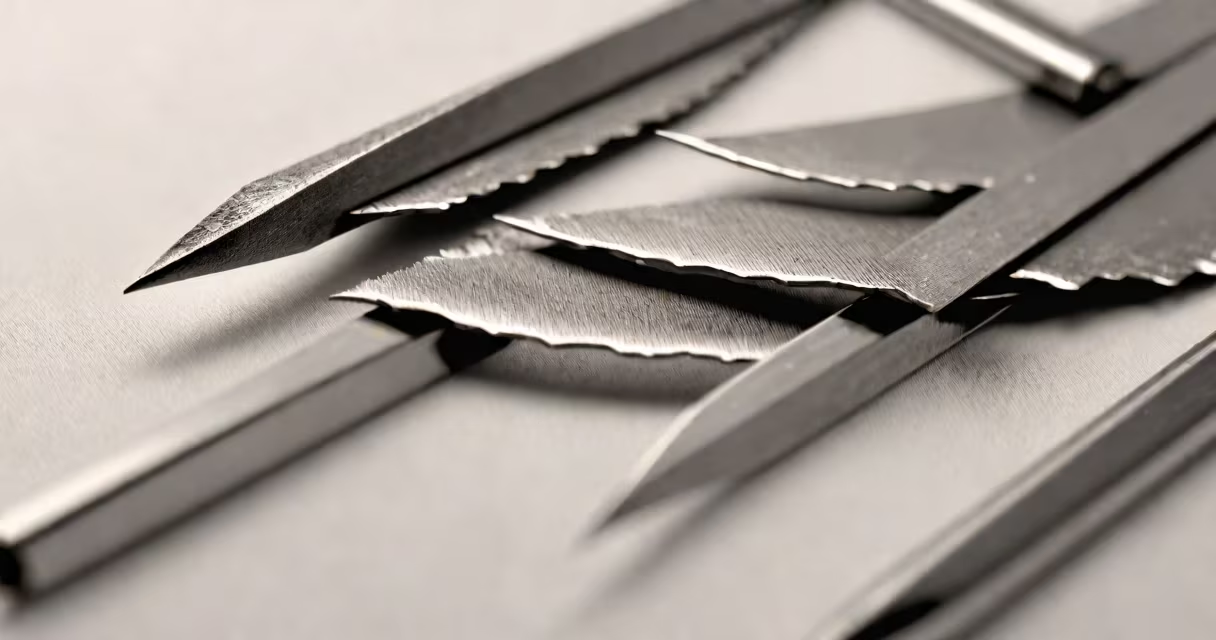
Carbon steel and stainless steel are both iron-based alloys, but they differ fundamentally in composition, corrosion resistance, and mechanical properties. Carbon steel contains primarily iron and carbon, while stainless steel includes chromium (at least 10.5%) and often nickel, which gives it rust resistance.
Carbon steel is known for sharpness and ease of sharpening, making it popular in knives and tools. Stainless steel resists oxidation and staining, ideal for cutlery, sinks, and architectural elements exposed to moisture. The choice between them depends on performance needs, environment, and maintenance tolerance.
Carbon steel consists of iron with added carbon-typically 0.2% to 2.1% by weight. Higher carbon content increases hardness and tensile strength but reduces ductility. This makes high-carbon steel excellent for edge retention but prone to rust if uncoated.
Stainless steel contains a minimum of 10.5% chromium, which forms a passive oxide layer that protects against corrosion. Some grades include nickel (e.g., 304 stainless) to improve formability and resistance to acids. The addition of molybdenum in grade 316 enhances resistance to chlorides, such as saltwater.
A key distinction: carbon steel lacks inherent corrosion resistance. Even a thin film of moisture causes visible rust within hours. Stainless steel remains stable in humid environments and withstands cleaning agents that degrade carbon steel.
There are three primary grades of stainless steel used in consumer and industrial applications:
| Grade | Chromium (%) | Nickel (%) | Best For |
|---|---|---|---|
| 304 | 18-20 | 8-10.5 | Kitchenware, appliances, food processing |
| 316 | 16-18 | 10-14 | Marine environments, chemical equipment |
| 430 | 16-18 | 0 | Decorative trim, automotive parts |
For carbon steel, common designations include 1045 (0.45% carbon), 1095 (0.95% carbon), and 5160 (high-tensile spring steel). These grades are labeled by carbon content and sometimes alloying elements like manganese or silicon.
Non-obvious fact: not all stainless steels are equally resistant to pitting. Grade 304 fails in chloride-rich settings-like coastal kitchens-while 316 holds up. A 304 knife left near a salt shaker may develop pits in months; a 316 one lasts years under similar conditions.
Carbon steel excels in applications requiring high edge retention and precision. A chef's knife made from 1095 carbon steel holds a razor edge longer than most stainless alternatives. It also takes a sharper bevel due to lower alloy content, allowing finer cutting edges.
Stainless steel dominates in wet or variable environments. Hospital surgical instruments, bathroom fixtures, and outdoor railings use stainless because they don't require constant drying or oiling. Its durability under repeated washing makes it standard in commercial kitchens.
Real-world example: A home cook uses a carbon steel wok for stir-frying. The metal heats quickly and evenly, developing a natural non-stick patina over time. After each use, it's dried thoroughly and lightly oiled to prevent rust. In contrast, a stainless steel wok heats slower and doesn't build seasoning, but it won't corrode if left damp overnight.
Many assume stainless steel is always stronger than carbon steel. That's false. High-carbon steel (e.g., 1095) can achieve Rockwell hardness values above 60 HRC, while 304 stainless maxes out around 30 HRC. Hardness affects edge retention-not strength.
Another misconception: "stainless" means "rustproof." It does not. Stainless steel can still pit, stain, or fail under stress if exposed to chlorides, abrasives, or improper cleaning. A sink made of 304 stainless can develop rust spots if cleaned with bleach or left with standing water.
Some users believe carbon steel requires constant maintenance. While it does need drying and occasional oiling, it's manageable. I used a 1045 carbon steel knife daily for six months-cleaned after each meal, dried, and lightly oiled weekly. It developed a rich patina and showed no signs of rust.
Use carbon steel when you prioritize edge sharpness, heat conductivity, and the ability to build a seasoning layer. Ideal for professional chefs, woodworkers, and toolmakers who maintain their gear.
Choose stainless steel when longevity in moist or harsh environments matters. Best for medical devices, marine hardware, and household items where low maintenance is essential.
For example, a pocket knife used outdoors in rainy climates should be stainless. A chef's knife used indoors with careful handling can be carbon steel. The decision hinges on environment, care level, and intended function.
Understanding the differences between carbon steel and stainless steel avoids costly mistakes. One material may perform well in one setting but fail in another. Know the environment, usage frequency, and maintenance effort before deciding.
Both materials have clear roles. Carbon steel delivers performance in controlled environments. Stainless steel offers resilience in unpredictable ones. The right choice depends on purpose, not preference.