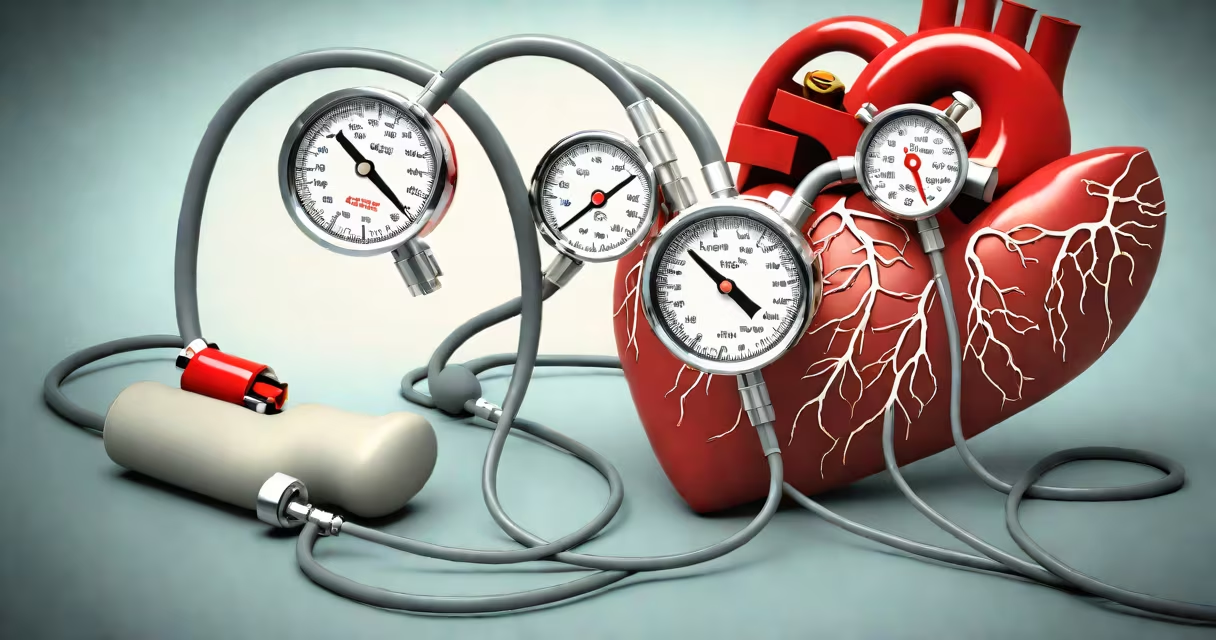
Hypertension, or high blood pressure, occurs when the force of blood against artery walls remains consistently too high. This condition forces the heart to work harder and damages blood vessels over time, increasing the risk of heart disease, stroke, and organ failure.
Blood pressure is measured in millimeters of mercury (mmHg) and recorded as two numbers: systolic (top number) and diastolic (bottom number). A reading of 130/80 mmHg or higher qualifies as hypertension according to the American Heart Association. Persistent levels above this threshold strain the cardiovascular system and initiate progressive damage.
Uncontrolled hypertension often shows no symptoms until significant harm has occurred. Many people remain unaware of their condition until complications arise. Early detection through routine screening is critical to prevent long-term consequences.
When blood pressure stays elevated, the inner lining of arteries becomes inflamed and damaged. This triggers the buildup of fatty deposits-plaque-that narrow the vessel lumen. Over time, this process, known as atherosclerosis, reduces blood flow and increases the risk of blockages.
The heart must pump harder to push blood through narrowed vessels. This extra workload causes the left ventricle to thicken-a condition called left ventricular hypertrophy. As the muscle thickens, it loses elasticity and efficiency, eventually leading to heart failure. According to the CDC, nearly half of U.S. adults have hypertension, and it contributes to over 600,000 deaths annually.
High pressure also weakens small blood vessels in the brain, kidneys, and eyes. In the brain, this increases the likelihood of hemorrhagic or ischemic strokes. In the kidneys, it impairs filtration function, potentially leading to chronic kidney disease. Retinal damage from hypertension can cause vision loss or blindness.
The heart, brain, kidneys, and eyes are most vulnerable to sustained high pressure. Each responds differently to prolonged stress.
| Organ | Primary Damage Mechanism | Resulting Condition |
|---|---|---|
| Heart | Increased workload leads to muscle thickening | Left ventricular hypertrophy, heart failure |
| Brain | Artery rupture or blockage | Ischemic or hemorrhagic stroke |
| Kidneys | Reduced glomerular filtration due to vessel narrowing | Chronic kidney disease, renal failure |
| Eyes | Retinal artery spasm and microaneurysms | Retinopathy, vision impairment |
A 2022 study published in *The Lancet* found that individuals with untreated stage 2 hypertension (≥140/90 mmHg) had a 3.2-fold higher risk of major cardiovascular events compared to those with normal pressure. The risk escalates with each 20 mmHg increase in systolic pressure or 10 mmHg rise in diastolic pressure.
Hypertension is frequently mistaken for a temporary state caused by stress or anxiety. While emotional stress can cause brief spikes, true hypertension involves consistent elevation over weeks or months. A single high reading does not diagnose hypertension-multiple measurements are required.
Another misconception is that hypertension only affects older adults. In reality, the prevalence among adults aged 18-39 rose from 10% in 2007 to 17% in 2020, according to the National Health and Nutrition Examination Survey (NHANES). Obesity, sedentary lifestyle, and poor diet contribute to early-onset cases.
Some believe that symptoms like headaches or dizziness indicate hypertension. These symptoms are rare and unreliable indicators. Most people with high blood pressure feel fine until severe complications develop. Relying on symptoms leads to delayed diagnosis and treatment.
Consider a 45-year-old office worker who experiences fatigue and occasional chest tightness. He skips annual checkups due to lack of time. His blood pressure during a routine visit reads 158/96 mmHg-well above the threshold for hypertension.
Over the next two years, he develops left ventricular hypertrophy visible on echocardiogram. By age 47, he suffers a mild ischemic stroke due to a clot in a cerebral artery. MRI confirms small vessel disease consistent with long-standing hypertension. After hospitalization, he begins medication and lifestyle changes.
This case illustrates how silent progression leads to irreversible damage. Early intervention could have prevented the stroke and reduced cardiac remodeling.
Screening detects hypertension before symptoms appear. The U.S. Preventive Services Task Force recommends blood pressure checks every 1-2 years for adults aged 18 and older. Home monitoring devices offer accurate readings when used correctly.
Even mild elevations carry risk. A 2021 analysis in *JAMA Internal Medicine* showed that individuals with stage 1 hypertension (130-139/80-89 mmHg) had a 20% increased risk of heart attack over 10 years compared to those with normal pressure.
Regular monitoring allows timely treatment. Lifestyle changes such as reducing sodium intake to less than 2,300 mg daily, engaging in 150 minutes of moderate exercise weekly, and maintaining a healthy weight can lower systolic pressure by 10-15 mmHg.
Diabetes and hypertension form a dangerous combination. High glucose damages blood vessels, compounding the effects of high pressure. Together, they accelerate kidney and eye damage. The presence of both conditions multiplies the risk of cardiovascular events.
I once observed a patient with undiagnosed hypertension who presented with sudden vision loss. Fundoscopy revealed retinal hemorrhages and cotton wool spots-classic signs of malignant hypertension. After treatment, his vision improved slightly, but permanent damage remained. That case underscored how early detection prevents irreversible outcomes.
Understanding what happens when you have hypertension reveals a slow but steady assault on important systems. The absence of warning signs makes regular screening essential. Early diagnosis and consistent management reduce the risk of stroke, heart failure, and kidney disease.