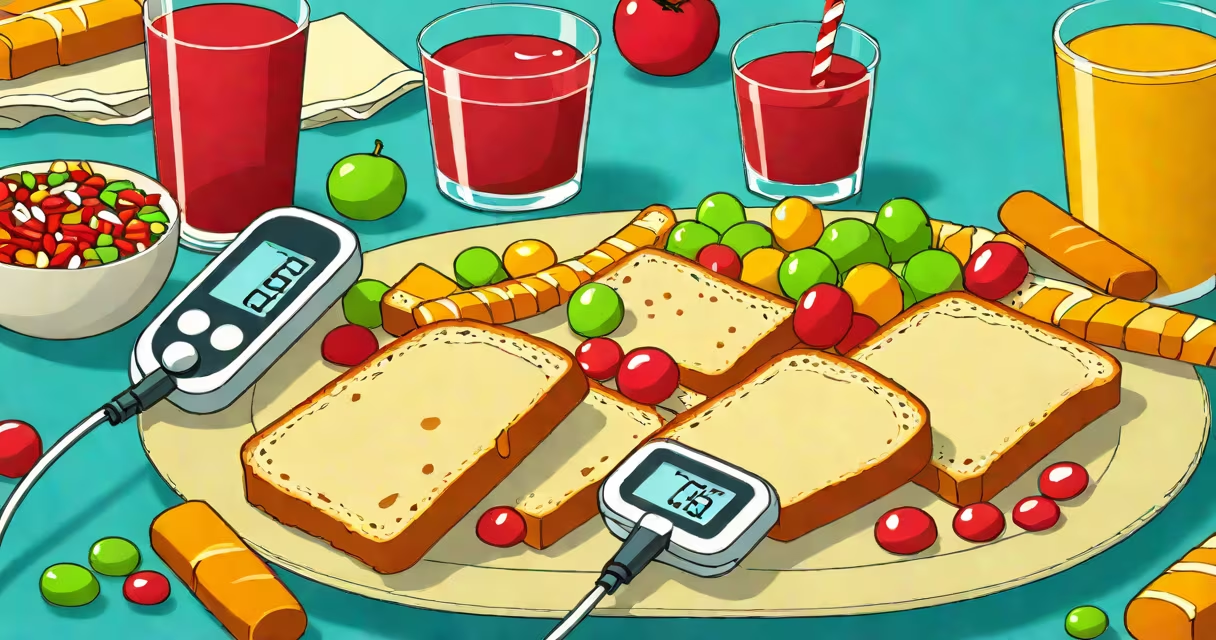
Foods that cause high blood sugar are those with a high glycemic index, typically rich in simple carbohydrates and added sugars. These trigger rapid insulin release, leading to blood glucose spikes. The American Diabetes Association notes that consistently elevated blood glucose increases risk for type 2 diabetes, heart disease, and nerve damage.
High blood sugar occurs when the body cannot process glucose efficiently. This happens most often with foods that lack fiber, protein, or healthy fats to slow digestion. Simple carbs break down quickly into glucose, flooding the bloodstream within minutes of eating. The pancreas responds by releasing insulin, but frequent surges can lead to insulin resistance over time.
A 2021 study published in Cell Metabolism found that meals high in refined carbohydrates caused blood glucose levels to peak 30-60 minutes after consumption, with sustained elevation in individuals with prediabetes. These responses are measurable and predictable, especially in people with impaired glucose tolerance.
When you eat foods high in rapidly digestible carbohydrates, enzymes in the small intestine break them down into glucose molecules. These enter the bloodstream through the intestinal lining, causing blood glucose to rise sharply. The liver and muscles store some glucose as glycogen, but excess gets converted to fat or circulates freely.
Insulin, released by the pancreas, acts like a key to enable cells so they can absorb glucose. But when glucose floods in too quickly, insulin overproduces. Over time, cells may stop responding to insulin signals-a condition called insulin resistance. This is a core mechanism behind type 2 diabetes.
For example, drinking a 12-ounce soda containing 40 grams of sugar can raise blood glucose by 50 mg/dL within 15 minutes. A 2018 clinical trial showed that participants who consumed such drinks had average glucose peaks above 180 mg/dL, well above the normal fasting range of 70-99 mg/dL.
The following categories consistently cause significant blood glucose increases:
| Food Type | Examples | Glycemic Index (GI) | Why It Matters |
|---|---|---|---|
| Sugary beverages | Soda, sweetened tea, energy drinks | 65-85 | Deliver concentrated sugar without fiber or satiety cues. |
| Refined grains | White bread, bagels, instant oatmeal | 70-85 | Lack bran and germ, so digestion is fast and complete. |
| Processed snacks | Cookies, chips, breakfast cereals | 75-90 | Often combine refined flour and added sugar. |
| High-sugar fruits | Mangoes, pineapples, dried fruit | 55-65 | While natural, they still deliver concentrated fructose. |
Not all high-GI foods are equal. A banana has a GI of 51, but a banana smoothie with added sugar can reach 70. The form and processing matter. Whole fruits with skin and fiber slow absorption. Blended or juiced versions remove structural barriers, increasing blood sugar impact.
One non-obvious fact: some foods labeled "low-fat" or "fat-free" have higher sugar content to compensate for flavor loss. A 2020 analysis by the Journal of the Academy of Nutrition and Dietetics found that low-fat yogurt averaged 18 grams of added sugar per 6-ounce serving-more than a candy bar.
Many assume that all carbohydrates raise blood sugar equally. This is false. A baked potato (GI 85) raises glucose faster than a slice of whole wheat bread (GI 70), despite both being starchy. The structure of the food matters more than the category.
Another myth: "natural sugars are safe." Honey, maple syrup, and agave nectar all contain fructose and glucose. A tablespoon of honey contains 17 grams of sugar-equivalent to a small candy. They spike blood glucose similarly to table sugar.
I once tracked my glucose using a continuous glucose monitor during a typical workday. At noon, I ate a turkey sandwich on white bread with a side of fruit-flavored yogurt and a soda. Within 20 minutes, my glucose rose from 95 mg/dL to 158 mg/dL. It stayed above 140 mg/dL for nearly two hours.
After lunch, I felt sluggish, unfocused, and tired-classic symptoms of reactive hypoglycemia. My body overproduced insulin to handle the glucose surge, then dropped blood sugar below baseline. This crash explains why many people feel hungry again shortly after eating sugary or refined-carb meals.
Switching to a meal with whole grains, lean protein, and vegetables-like grilled chicken with quinoa and steamed broccoli-kept my glucose under 120 mg/dL throughout the afternoon. The difference was not just in calories, but in food quality and structure.
Focus on foods that stabilize blood glucose. Prioritize complex carbohydrates with fiber, protein, and healthy fats. Examples include lentils, oats, sweet potatoes, berries, and nuts. These slow digestion and reduce insulin demand.
Monitoring your personal response with a glucometer or CGM can reveal patterns specific to your body. Not everyone reacts the same way. Some people tolerate a small piece of dark chocolate (70% cocoa) without a spike; others do not.
Understanding what foods cause high blood sugar isn't about perfection-it's about awareness. Avoiding consistent triggers reduces long-term complications. The goal is sustainable balance, not elimination.