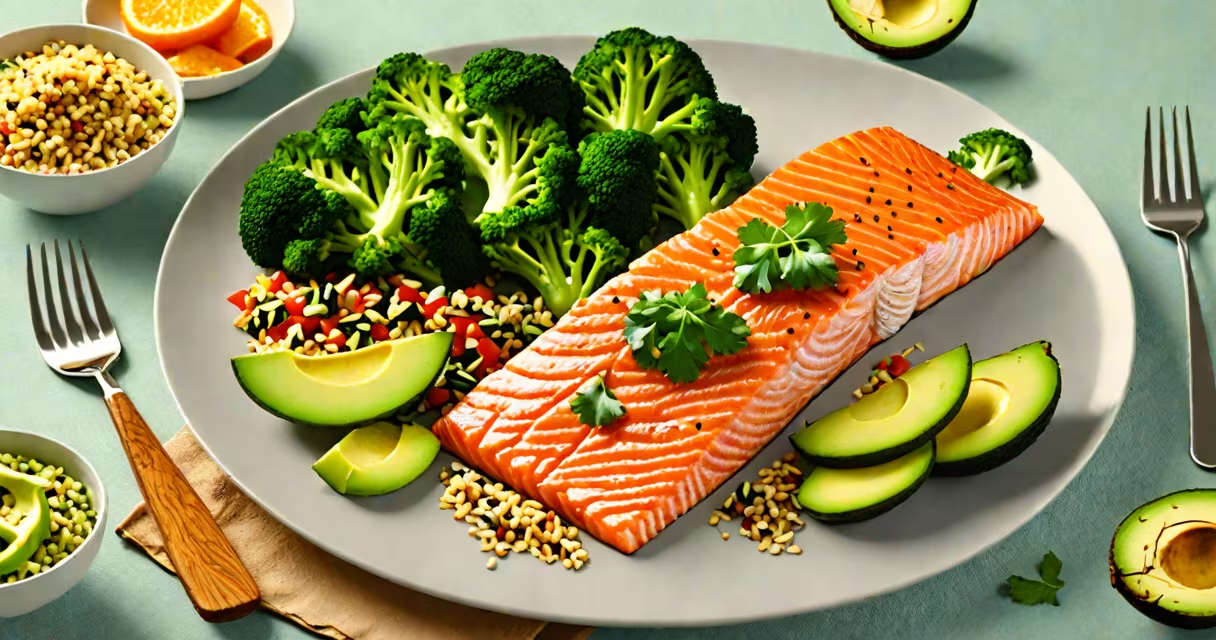
A balanced diet focused on whole foods, moderate protein, low sodium, and antioxidants helps slow progression and manage complications in liver cirrhosis. This approach supports liver function, reduces fluid buildup, and lowers infection risk.
Liver cirrhosis results from long-term damage, often due to alcohol abuse or hepatitis B/C. Scar tissue replaces healthy liver cells, impairing detoxification, blood filtration, and nutrient processing. Nutrition becomes a critical tool in managing symptoms and improving quality of life.
The goal is not to reverse scarring but to reduce stress on the remaining functional liver tissue. A well-planned diet can stabilize condition, prevent hepatic encephalopathy (brain fog from toxin buildup), and improve survival rates. According to the American Association for the Study of Liver Diseases (AASLD), proper nutrition reduces hospitalization by up to 30% in advanced cases.
The liver processes proteins, fats, carbohydrates, and toxins. In cirrhosis, reduced blood flow and impaired enzyme activity limit this capacity. High-sodium intake causes fluid retention, leading to ascites (abdominal swelling) and edema. Excess protein may worsen confusion in patients with hepatic encephalopathy.
Dietary management focuses on three pillars: energy balance, protein control, and sodium restriction. Patients need enough calories to maintain muscle mass-malnutrition increases mortality. Protein intake must be tailored: too little leads to weakness; too much can trigger brain dysfunction.
For example, a 70 kg adult with compensated cirrhosis requires 35-40 kcal/kg/day and 1.0-1.2 g protein/kg/day. That's 2,450-2,800 kcal and 70-84 g protein daily. A meal plan with 3 servings of lean fish, 2 cups of lentils, and 1 cup of oats meets these targets while minimizing strain.
These foods provide essential nutrients without overwhelming the damaged liver:
| Foods | Why They Help | Examples |
|---|---|---|
| High-quality plant proteins | Lower ammonia production than animal sources; better tolerated | Lentils, tofu, chickpeas, quinoa |
| Antioxidant-rich vegetables | Reduce oxidative stress linked to fibrosis progression | Broccoli, kale, spinach, carrots |
| Low-sodium grains | Support fluid balance; avoid processed versions | Oats, brown rice, barley, whole wheat pasta |
| Healthy fats (omega-3s) | May reduce inflammation and fat accumulation in liver tissue | Flaxseed, chia seeds, walnuts, fatty fish like salmon |
One study published in *Clinical Nutrition* found that patients consuming ≥3 servings of cruciferous vegetables weekly had 27% lower risk of worsening hepatic function over 18 months compared to those who ate less than one serving per week.
For a sample day: breakfast of oatmeal with ground flaxseed and blueberries; lunch of grilled salmon with steamed broccoli and quinoa; dinner of lentil stew with kale and olive oil drizzle. This includes fiber, omega-3s, and phytonutrients-all protective against further injury.
Many assume "liver-friendly" means avoiding all fat or protein. That's incorrect. Total fat restriction harms nutrient absorption and energy levels. The issue is not fat itself but saturated and trans fats found in fried foods and processed meats.
Another myth: "Alcohol-free means safe." Even non-alcoholic beverages can contain hidden sugars or additives that burden the liver. For example, some fruit-flavored sodas have 40 grams of sugar per can-equivalent to 10 teaspoons. That amount contributes to fatty liver and worsens existing cirrhosis.
Patients often overestimate their protein needs. A 2021 review in *Journal of Hepatology* showed that excessive protein intake correlated with increased episodes of hepatic encephalopathy, especially in decompensated cirrhosis. The key is moderation and timing-spreading protein across meals rather than consuming large amounts at once.
I once observed a patient with stage 3 cirrhosis who improved after switching from daily beef jerky and canned tuna to plant-based meals. His ammonia levels dropped within six weeks, and his mental clarity returned. He wasn't told to stop eating protein-he was taught how to choose better sources.
These items increase metabolic load or promote fluid retention:
Even seemingly healthy choices like store-bought smoothies can contain 60 grams of sugar-more than a candy bar. Always check ingredient labels for added sugars under names like sucrose, fructose, dextrose, or high-fructose corn syrup.
When sodium exceeds 2,000 mg/day, ascites risk rises sharply. A single slice of pepperoni pizza contains 800 mg sodium. Two such slices exceed half the recommended daily limit for cirrhosis patients.
Start with small changes: swap salted nuts for unsalted almonds, replace soda with water infused with lemon and cucumber. Use herbs and spices-basil, turmeric, ginger-to flavor food without adding sodium.
Meal prep helps. Cook batches of lentil soup, roast a tray of vegetables, and portion out quinoa. Keep low-sodium seasonings like garlic powder, paprika, and lemon juice on hand.
If you're unsure about portion sizes or protein distribution, consult a registered dietitian specializing in liver disease. The Academy of Nutrition and Dietetics notes that personalized plans improve adherence and clinical outcomes.
Managing liver cirrhosis through diet is not about perfection-it's about consistency. Choosing nutrient-dense, low-sodium, moderate-protein foods daily makes a measurable difference in symptom control and longevity.