A stimulus in biology is any detectable change in an organism's environment that elicits a measurable response. This includes physical, chemical, or biological changes such as light, temperature shifts, touch, or the presence of a specific molecule. The response may be behavioral, physiological, or developmental.
Stimuli are fundamental to survival. Organisms rely on detecting external cues to locate food, avoid danger, regulate internal conditions, and reproduce. For example, a frog detects movement in its visual field-a stimulus-and jumps to catch a fly. The stimulus triggers a neural cascade leading to muscle contraction.
According to the National Institutes of Health (NIH), sensory systems evolved to convert environmental stimuli into electrical signals within neurons. These signals travel along nerve pathways to the brain or central nervous system, where integration occurs. This process underlies everything from reflexes to complex decision-making.
When a stimulus occurs, specialized receptors detect it. Receptors are proteins or cells tuned to specific inputs-light, sound, pressure, chemicals. Once activated, they initiate a signal transduction pathway, converting the stimulus into an intracellular signal.
In humans, photoreceptors in the retina respond to light (a stimulus) by changing their membrane potential. This generates an action potential that travels via the optic nerve to the visual cortex. The brain interprets these signals as images. Without this chain, vision would not occur.
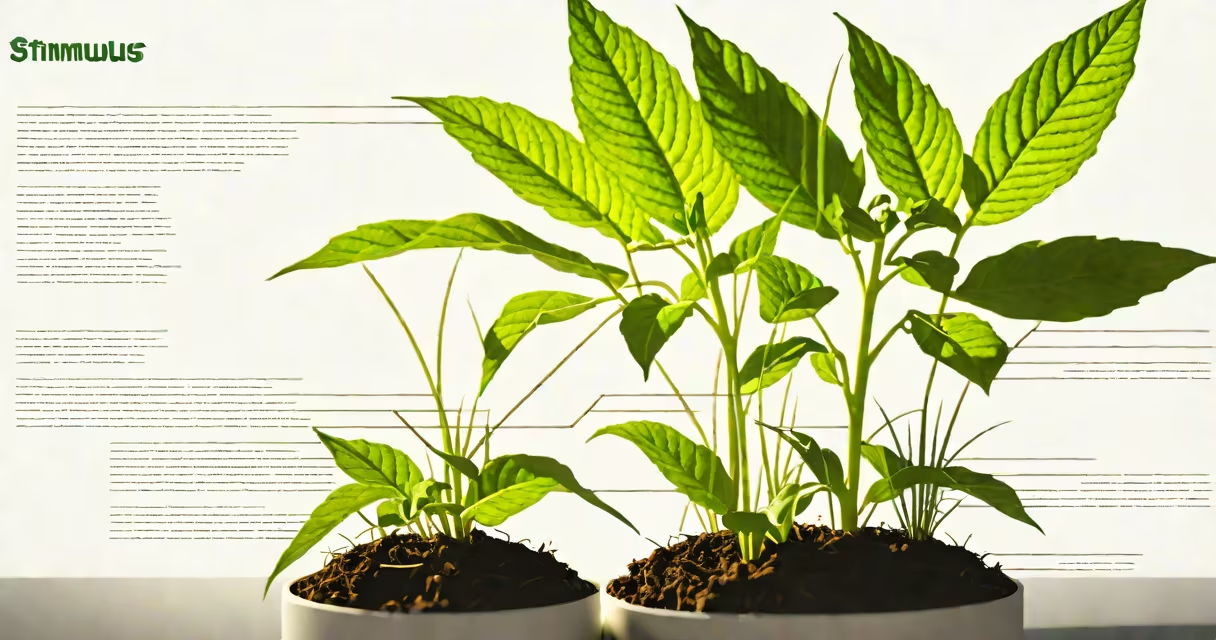
Plants also respond to stimuli. A sunflower turns its head toward the sun through differential growth in stem cells. This is called phototropism-the response to light as a stimulus. The hormone auxin redistributes in response to light direction, causing cells on the shaded side to elongate faster.
Stimuli fall into categories based on modality and origin. The following table outlines common types, their sources, and examples of responses.
| Type | Source | Response Example |
|---|---|---|
| Light | Sunlight, artificial light | Phototropism in plants; pupil constriction in animals |
| Chemical | Pheromones, nutrients, toxins | Male moths flying toward female pheromone trails |
| Thermal | Temperature change | Shivering in mammals when cold; heat avoidance in insects |
| Mechanical | Touch, pressure, vibration | Withdrawal reflex in humans when touching hot surfaces |
| Electrical | Electric fields (e.g., in sharks) | Prey detection in hammerhead sharks using electroreceptors |
Each stimulus type activates distinct receptor systems. For instance, thermoreceptors in human skin detect warmth or cold. They send signals to the spinal cord and brain, triggering behaviors like moving away from heat or seeking warmth.
Not all stimuli lead to immediate action. Some require threshold levels. A loud noise below a certain decibel level won't trigger a startle response. Only when the intensity crosses the threshold does the nervous system react.
Many assume that all stimuli cause visible or rapid reactions. That's incorrect. Subthreshold stimuli exist-inputs too weak to produce a detectable response. These are filtered out by the nervous system to prevent overload.
Another misconception is equating stimulus with stress. While stress can be a stimulus, not all stimuli are stressful. A gentle breeze on skin is a mechanical stimulus-but not a stressor unless it exceeds tolerance limits.
Also, stimuli aren't always external. Internal changes count too. Blood glucose levels drop-this internal chemical change acts as a stimulus. The pancreas detects it and releases glucagon to restore balance. This is homeostasis driven by internal stimuli.
Consider a desert lizard basking on a rock. Sunlight hits its skin-this is a light stimulus. Thermoreceptors in the skin detect rising temperature. As the temperature increases past a set threshold, the lizard begins to move to shade.
The sequence unfolds as follows:
This entire process happens in under five seconds. The lizard avoids overheating, which could damage enzymes and disrupt cellular function. This illustrates how a single stimulus drives coordinated physiological and behavioral adaptation.
As noted by the American Society of Zoologists, many species have evolved highly sensitive stimulus-response systems. For example, the electric eel detects minute changes in water conductivity caused by nearby prey-its own form of stimulus detection.
Stimulus definition biology often overlaps with related terms. A stimulus differs from a response-it's the trigger, not the outcome. The stimulus is the event; the response is the reaction.
It also differs from a signal. A signal is a coded message sent between organisms (e.g., bird calls). A stimulus is a physical or chemical change detected by a receiver. Not all signals are stimuli, and not all stimuli are signals.
For instance, a flower releasing a scent is a signal. But if a bee detects that scent, it becomes a stimulus. The same chemical can serve both roles depending on context.
Understanding this distinction helps clarify communication systems in nature. Ants lay pheromone trails-these are signals. Other ants follow them, but the scent itself is a stimulus that guides movement.
Climate definition biology defines long-term environmental patterns. A single storm is a stimulus; climate describes recurring conditions. A drought over years alters plant growth patterns-this is a cumulative effect of repeated stimuli.
Diffusion biology definition explains how molecules move from high to low concentration. This process underlies how stimuli like oxygen or neurotransmitters reach receptors. Oxygen diffuses into blood cells, enabling respiration. Without diffusion, stimuli couldn't reach targets.
I once observed a Venus flytrap close its trap after a small insect touched the inner hairs. The initial touch was a mechanical stimulus. After two touches within 20 seconds, the trap snapped shut. This demonstrated a dual-stimulus requirement-preventing false closures from wind or debris.
That experiment confirmed that not all stimuli are equal. Some require confirmation, timing, or pattern recognition. The flytrap uses a counting mechanism to avoid wasting energy on non-prey stimuli.
A stimulus definition in biology centers on detectable environmental changes that provoke organismal responses. From light guiding plant growth to nerve impulses driving animal behavior, stimuli are the foundation of interaction with the world. Recognizing the type, threshold, and context of each stimulus improves understanding of life processes across species.