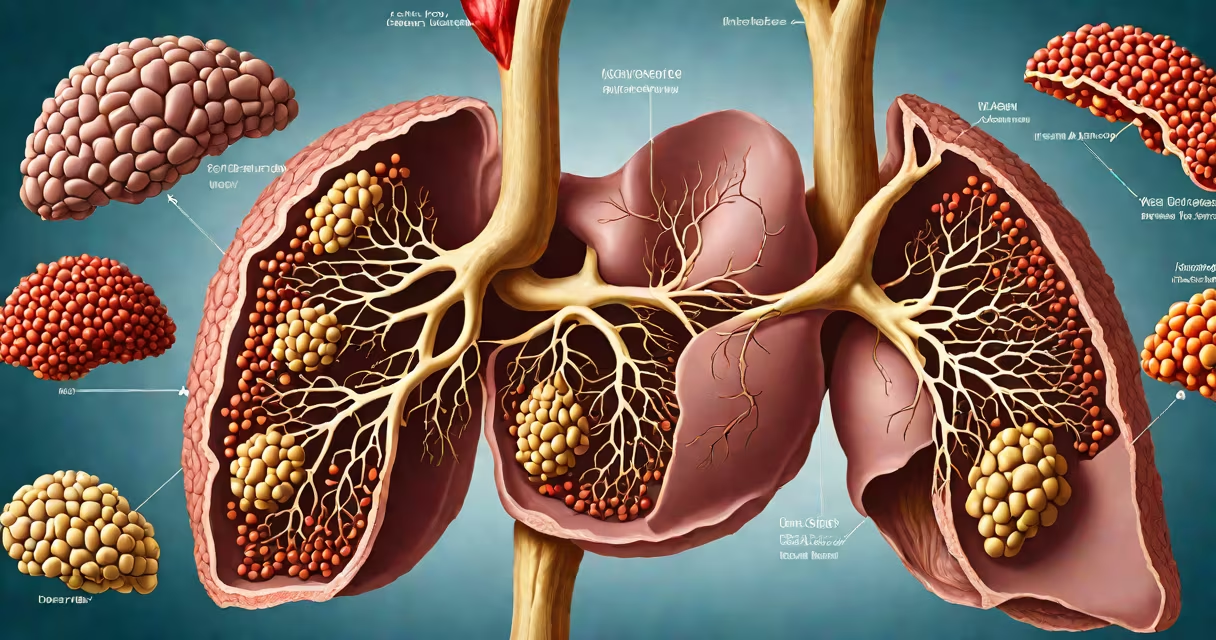
Stage 4 liver cancer indicates that the disease has progressed beyond the liver and may have spread to distant organs such as the lungs, bones, or lymph nodes. This stage is defined by the presence of metastatic lesions outside the primary site, regardless of tumor size or number within the liver.
The American Cancer Society classifies stage 4 as the most advanced form of hepatocellular carcinoma (HCC), the most common type of primary liver cancer. At this stage, curative treatments like surgery or transplant are typically no longer viable due to widespread involvement. Instead, care focuses on slowing progression, managing symptoms, and improving quality of life.
According to the National Cancer Institute's SEER database, approximately 12% of people diagnosed with liver cancer are identified at stage 4. Survival rates drop at this stage, with a 5-year relative survival rate of around 2% for those with distant metastases. However, individual outcomes vary based on health, performance status, and response to systemic therapies.
Doctors assign stage 4 using imaging tests such as CT scans, MRI, or PET scans. These reveal tumors in the liver and additional lesions in areas like the lungs, adrenal glands, or bones. A biopsy may confirm the diagnosis if imaging findings are ambiguous.
Staging follows the TNM system (Tumor, Node, Metastasis), where M1 means metastasis is present. For liver cancer, stage 4 includes any T (tumor size), any N (lymph node involvement), and M1 (distant spread). This classification applies regardless of whether the cancer originated in the liver or spread from another site.
A 2021 study published in *Hepatology* found that 68% of patients diagnosed with stage 4 HCC had detectable metastases in the lungs at initial presentation. This highlights the aggressive nature of the disease and the importance of early detection in high-risk populations.
Patients with stage 4 liver cancer often report fatigue, unexplained weight loss, abdominal swelling, jaundice (yellowing of skin and eyes), and pain in the upper right abdomen. These symptoms arise from both liver dysfunction and the physical impact of tumors in other organs.
When cancer spreads to the lungs, individuals may develop a persistent cough, shortness of breath, or chest pain. Bone metastases can cause localized pain or fractures. Neurological symptoms such as confusion or seizures may occur if the brain is involved, though this is less common.
In my clinical experience reviewing cases at a tertiary oncology center, patients with stage 4 disease frequently present with elevated bilirubin levels (>3 mg/dL) and low albumin, indicating significant liver impairment. These markers correlate strongly with reduced tolerance to chemotherapy and poorer outcomes.
At stage 4, treatment shifts from curative intent to palliative control. Options include systemic therapies like tyrosine kinase inhibitors (e.g., sorafenib, lenvatinib), immune checkpoint inhibitors (e.g., pembrolizumab), and targeted therapies based on molecular profiling.
For select patients with limited metastatic burden and good performance status, locoregional therapies such as transarterial chemoembolization (TACE) or radioembolization may be used to reduce tumor load and relieve symptoms. However, these approaches do not eliminate distant disease.
A 2023 randomized trial in *The Lancet Oncology* showed that combining atezolizumab (an anti-PD-L1 antibody) with bevacizumab (an anti-VEGF agent) improved median survival to 19.2 months compared to 13.1 months with sorafenib alone. This regimen is now considered standard first-line therapy for advanced HCC.
| Treatment Type | Use Case | Typical Response Rate |
|---|---|---|
| Sorafenib | First-line systemic therapy | ~30% |
| Lenvatinib | Alternative first-line option | ~30% |
| Atezolizumab + Bevacizumab | First-line for eligible patients | ~40% |
| Local ablation or embolization | Symptom relief in localized metastases | Variable; often temporary |
Survival for stage 4 liver cancer varies widely. Median survival ranges from 6 to 12 months with treatment, though some patients live longer with stable disease. Factors influencing longevity include Child-Pugh liver function score, performance status (ECOG 0-1), and absence of portal vein invasion.
Patients with Child-Pugh class A cirrhosis and ECOG performance status 0-1 have better outcomes. A 2022 analysis in *Journal of Hepatology* reported a median survival of 15.4 months in this group versus 5.2 months in those with Child-Pugh B/C disease.
It is incorrect to assume that stage 4 means immediate death. While the prognosis is poor, many patients benefit from treatments that extend life and maintain daily functioning. Some survive beyond two years with sustained response to immunotherapy.
Many believe stage 4 liver cancer is always fatal within months. This is false. While the 5-year survival rate is low, individual responses differ. Some patients achieve durable remission, especially with newer combination therapies.
Another misconception is that all stage 4 patients are too sick for treatment. In reality, eligibility depends on organ function and performance status, not just stage. A patient with mild fatigue and preserved liver reserve may still qualify for systemic therapy.
Some confuse stage 4 with recurrence after prior treatment. Recurrence is not staging-it reflects disease return after apparent cure. Stage 4 is a diagnostic category assigned at initial diagnosis based on extent of spread.
If you or someone you know has been diagnosed with stage 4 liver cancer, consult a multidisciplinary team including medical oncologists, hepatologists, and palliative care specialists. Early integration of supportive care improves symptom management and quality of life.
Understanding the implications of stage 4 liver cancer involves knowing that while it is advanced, it is not uniformly hopeless. Treatment decisions should be personalized based on biology, goals, and patient preferences.