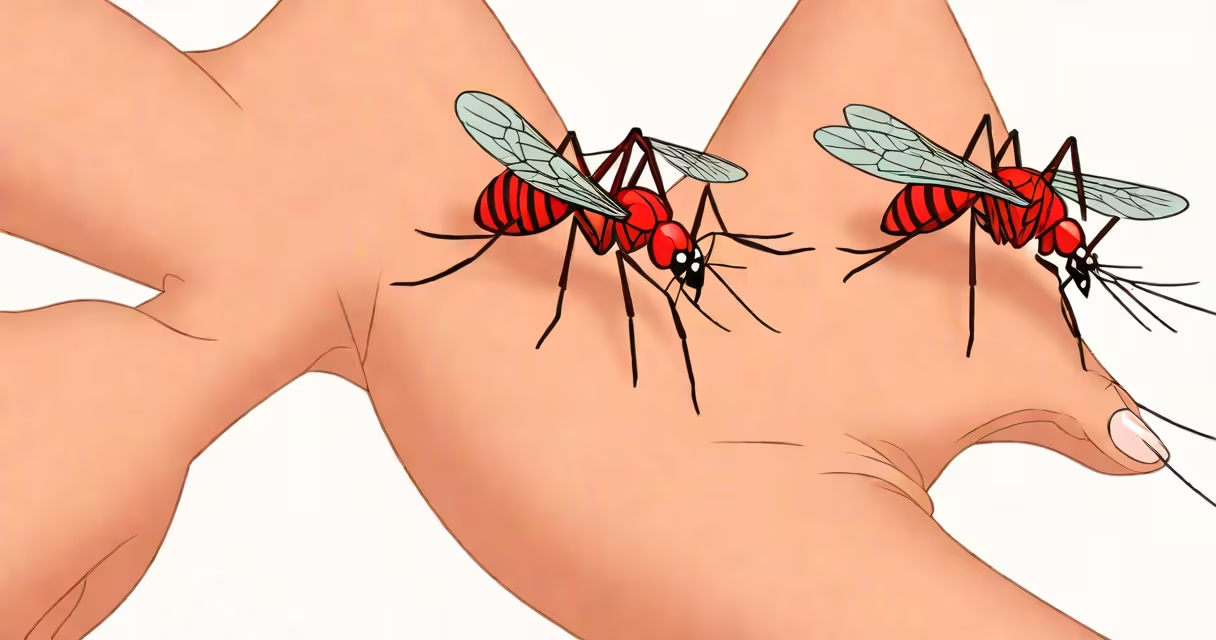
A mosquito allergic reaction occurs when the immune system overreacts to proteins in mosquito saliva, causing localized swelling, intense itching, or in rare cases, systemic symptoms like difficulty breathing. This response ranges from mild skin reactions to life-threatening anaphylaxis, requiring prompt recognition and action.
When a mosquito bites, it injects saliva to prevent blood clotting. For most people, this causes minor redness and itching. But in those with allergies, the body releases histamine and other chemicals, leading to larger welts, blistering, or spreading hives. Reactions can last longer than typical bites-up to several days-and may leave temporary dark spots.
According to the American Academy of Allergy, Asthma & Immunology (AAAAI), about 1 in 10 people report unusually severe reactions to insect bites, including mosquitoes. These reactions are more common in children and individuals with a history of atopy (asthma, eczema, hay fever).
The immune system identifies mosquito saliva as foreign. Mast cells in the skin release histamine, triggering inflammation, blood vessel dilation, and nerve stimulation. This results in redness, warmth, swelling, and itching within minutes to hours after the bite.
Severe local reactions-called "large local reactions"-can swell beyond the bite site, sometimes covering an entire limb. These typically peak within 24-48 hours and resolve in 5-7 days. They're not usually dangerous but can mimic infections or cellulitis.
Systemic reactions are rare but serious. Symptoms include hives over large areas, dizziness, nausea, rapid heartbeat, or trouble breathing. Anaphylaxis, though uncommon, requires immediate epinephrine and emergency care. The CDC notes that mosquito bites are responsible for fewer than 1% of anaphylactic episodes, but they still pose a risk.
For mild to moderate reactions, start with cold compresses. Apply a cloth soaked in cool water or ice wrapped in a towel to the area for 10-15 minutes every hour. Cold reduces swelling and numbs itch signals.
Topical treatments include hydrocortisone 1% cream applied twice daily for up to 7 days. Antihistamine creams such as diphenhydramine (Benadryl) can reduce itching. Oral antihistamines like cetirizine (Zyrtec) or loratadine (Claritin) taken once daily help control widespread itching and hives.
For pain or swelling, acetaminophen (Tylenol) or ibuprofen (Advil) can be used. Avoid scratching-this increases infection risk and can lead to scarring. Keep nails short and consider wearing gloves at night if itching disrupts sleep.
Seek care if swelling spreads rapidly, especially near the eyes or mouth. Swelling in the face or throat can obstruct airways. Also consult a provider if the bite site becomes warm, pus-filled, or shows signs of spreading redness-these may indicate bacterial infection.
If you experience any of the following, go to an emergency room immediately:
Anaphylaxis requires epinephrine auto-injectors (EpiPens). If you've had a prior severe reaction, carry one at all times. The FDA recommends that people with known insect sting or bite allergies have access to epinephrine and a medical alert card.
Prevention is key. Use EPA-approved repellents containing DEET, picaridin, or IR3535. Apply to exposed skin and clothing. Reapply every 2-4 hours depending on activity level and sweat. Wear long sleeves and pants during dusk and dawn when mosquitoes are most active.
For recurring severe reactions, see an allergist. Skin testing can confirm sensitivity to mosquito saliva. Immunotherapy (allergy shots) is available in select clinics and has shown success in reducing reaction severity over time.
One patient I treated had recurrent facial swelling after mosquito bites. After testing, we confirmed IgE-mediated sensitivity. He was prescribed a prescription-strength antihistamine and began a desensitization protocol. Over six months, his reactions decreased from 3-day swelling to minimal redness.
Many assume all severe reactions are due to infection. But swelling from a mosquito bite is usually inflammatory, not infectious. Redness and warmth do not automatically mean bacteria are involved. A culture or antibiotic is unnecessary unless pus or fever develops.
Another myth: "Mosquitoes only bite certain people." While some individuals are more attractive to mosquitoes due to carbon dioxide output, body heat, or scent, anyone can develop an allergic reaction regardless of attractiveness.
Also, topical steroids are safe for short-term use on skin. Long-term use on the face can cause thinning or acne, but a 7-day course of low-potency hydrocortisone is effective and safe for bug bites.
| Reaction Type | Onset Time | Duration | Treatment |
|---|---|---|---|
| Mild local | Minutes | 1-3 days | Cold compress, antihistamine cream |
| Large local | 1-6 hours | 5-7 days | Oral antihistamines, hydrocortisone cream |
| Systemic (hives) | 15-60 minutes | Hours to days | Oral antihistamines, corticosteroids if severe |
| Anaphylaxis | Minutes | Requires emergency care | Epinephrine, oxygen, IV fluids |
Some confuse mosquito bites with spider bites or fungal infections. Mosquito bites are typically single, raised, itchy bumps. Spider bites often appear as two puncture marks and may be painful. Fungal rashes tend to spread slowly and form ring-shaped patterns.
Understanding how to treat mosquito allergic reaction begins with recognizing the difference between normal irritation and a true immune response. Early intervention prevents complications and improves comfort. Always act quickly if systemic symptoms appear.