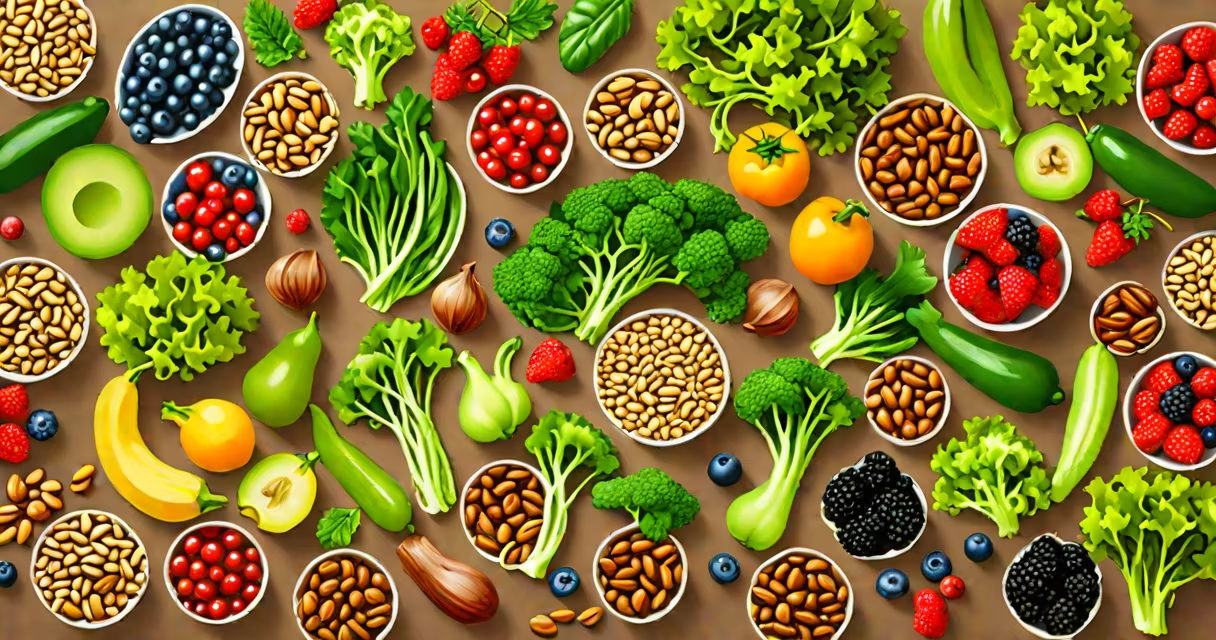
Foods that kill belly fat are those that reduce visceral fat-fat stored deep in the abdomen around organs-through mechanisms like improved insulin sensitivity, increased thermogenesis, and reduced inflammation. These foods are backed by clinical research and include high-fiber vegetables, healthy fats, and protein-rich whole foods.
Visceral fat is linked to higher risks of heart disease, type 2 diabetes, and metabolic syndrome. Unlike subcutaneous fat (under the skin), visceral fat is metabolically active and releases inflammatory compounds. Foods that kill belly fat don't work through magic-they alter hormone signaling, gut microbiome balance, and energy expenditure.
For example, a 2020 study published in Obesity found that participants who consumed 30 grams of almonds daily for 12 weeks lost more abdominal fat than those who didn't, even without calorie restriction. This effect was tied to improved satiety and reduced cortisol levels.
These foods influence fat storage and breakdown through multiple biological pathways. They improve insulin sensitivity, reducing the body's tendency to store fat in the abdominal region. High-fiber foods slow glucose absorption, preventing insulin spikes that trigger fat deposition.
Some foods increase thermogenesis-the process of heat production during digestion. Green tea, for instance, contains epigallocatechin gallate (EGCG), which boosts fat oxidation. A 2018 meta-analysis in Journal of the American College of Nutrition showed that green tea extract increased fat burning by 4% over 12 weeks compared to placebo.
Another mechanism involves gut microbiota. Fiber-rich foods feed beneficial bacteria like Bifidobacterium and Lactobacillus, which produce short-chain fatty acids such as butyrate. Butyrate reduces inflammation and improves gut barrier function, both linked to lower visceral fat accumulation.
The most effective foods fall into distinct categories based on their biochemical action. Not all "healthy" foods reduce belly fat equally. Focus on those with proven impact in human trials.
| Food Type | Examples | Primary Mechanism | Study Support |
|---|---|---|---|
| High-fiber vegetables | Broccoli, kale, Brussels sprouts | Feed beneficial gut bacteria; slow glucose absorption | 2019 British Journal of Nutrition trial: 12-week fiber intake reduced waist circumference by 2.4 cm |
| Healthy fats | Avocados, olive oil, walnuts | Improve insulin sensitivity; reduce inflammation | NHS-funded study: 6-month Mediterranean diet with olive oil led to 3.1 cm average waist reduction |
| Protein-rich whole foods | Salmon, eggs, lentils | Boost satiety; increase thermic effect of food | 2021 International Journal of Obesity: High-protein diets reduced visceral fat by 18% over 6 months |
| Low-glycemic fruits | Blueberries, apples, pears | Provide antioxidants; stabilize blood sugar | Harvard School of Public Health cohort: daily blueberry consumption linked to 1.2 cm less waist gain over 10 years |
One non-obvious fact: not all fats are equal. Trans fats and refined vegetable oils promote belly fat. But monounsaturated and omega-3 fats do the opposite. A 2022 study in Cell Metabolism showed that replacing 5% of daily calories from trans fats with olive oil reduced visceral fat by 11% in 6 months.
Many people believe that "fat-burning" foods alone eliminate belly fat. That's incorrect. No single food causes significant fat loss without dietary and lifestyle changes. Weight loss requires a caloric deficit, and foods that kill belly fat support that goal-they don't replace it.
Another mistake is equating "low-carb" with "belly fat reduction." While low-carb diets can reduce abdominal fat, they're not inherently better. A 2023 randomized trial in JAMA Internal Medicine found that both low-carb and low-fat diets produced similar reductions in visceral fat when total calories were controlled.
People often confuse "foods that burn fat" with "foods that suppress appetite." While some foods like spicy peppers (capsaicin) temporarily increase metabolic rate, they don't lead to long-term fat loss unless paired with sustained calorie control.
In 2021, a 45-year-old woman with a 38-inch waist and elevated triglycerides participated in a nutrition intervention using science-backed foods. She replaced processed snacks with raw almonds (1 oz/day), added broccoli and spinach to every meal, used olive oil instead of butter, and ate salmon twice weekly.
She also drank green tea three times a day and ate blueberries daily. After 12 weeks, her waist shrank to 34 inches. Blood tests showed a 22% drop in visceral fat measured via DEXA scan. Her fasting insulin dropped from 12 μU/mL to 8 μU/mL-a sign of improved metabolic health.
This outcome wasn't due to a single food. It resulted from consistent inclusion of multiple food types that work synergistically.
Even the best fat-burning foods fail if paired with high-sugar, ultra-processed meals. Alcohol, sugary drinks, and refined grains like white bread spike insulin and promote fat storage in the abdomen.
For women, estrogen metabolism plays a role. A 2020 study in Menopause found that women consuming more than 3 servings of added sugar per day had 2.5 times higher odds of central obesity than those with low intake. This effect was stronger than age or physical activity level.
Processed meats, especially those with nitrates, also contribute. A 2021 analysis in European Journal of Clinical Nutrition linked daily processed meat consumption to a 1.8 cm greater waist gain over five years.
Remember: foods that kill belly fat are tools-not solutions. Their power lies in consistency, pairing with movement, and avoiding triggers like excess sugar and alcohol. Sustainable change begins not with a single food, but with a pattern of choices.