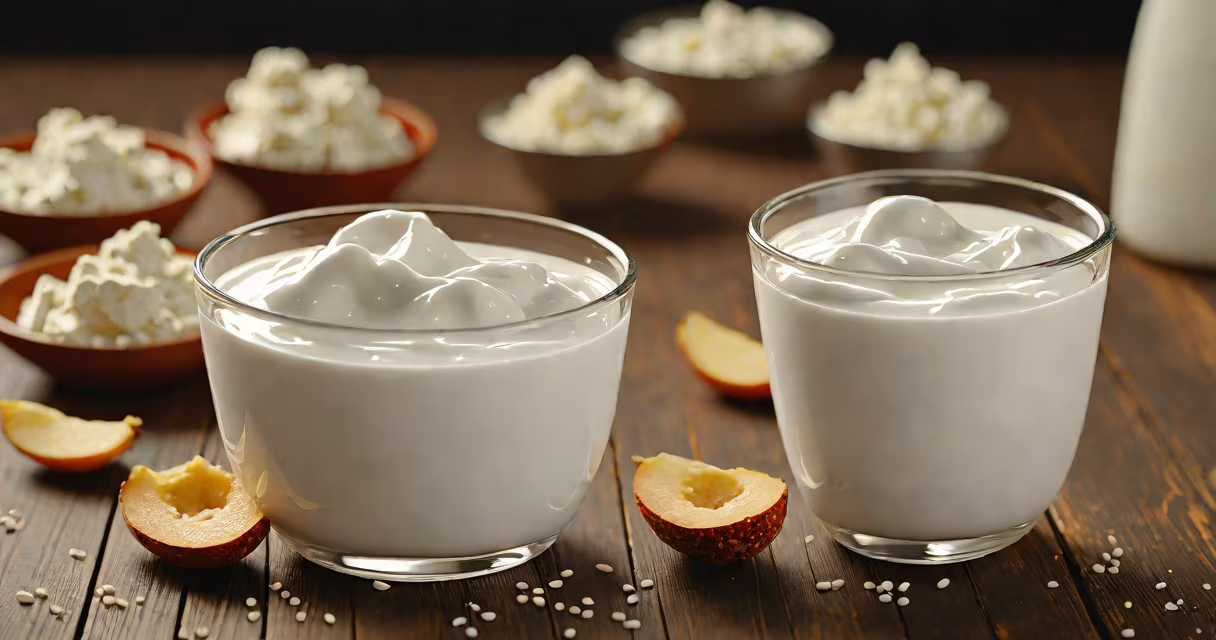
Probiotic refers to live microorganisms, primarily bacteria and yeasts, that confer health benefits when consumed in adequate amounts. These organisms help maintain balance in the gut microbiome, supporting digestion and immune function.
The term comes from Greek: *pro* meaning "for" and *bios* meaning "life." This reflects their role in promoting beneficial microbial activity within the human body. Not all bacteria are harmful-some are essential for internal health.
Probiotics are most commonly associated with the gastrointestinal tract, where they help regulate microbial populations. They are not a single substance but a category of living organisms with specific strains and functions.
Probiotics survive stomach acid and reach the intestines, where they colonize and interact with existing microbes. They compete with harmful bacteria for space and nutrients, produce antimicrobial substances, and strengthen the intestinal barrier.
They also modulate immune responses. A 2021 review in *Frontiers in Immunology* found that certain Lactobacillus and Bifidobacterium strains reduce inflammation and improve gut integrity. This effect extends beyond digestion-it influences mood, skin health, and metabolic function.
For example, *Lactobacillus rhamnosus GG* has been studied in over 100 clinical trials. It reduces the duration of acute diarrhea in children by 24 hours on average, according to a meta-analysis published in *The Lancet*.
Probiotics are classified by genus, species, and strain. Common genera include *Lactobacillus*, *Bifidobacterium*, *Saccharomyces boulardii* (a yeast), and *Streptococcus thermophilus*. Each strain has distinct effects.
| Type | Common Strains | Reported Benefits |
|---|---|---|
| Lactobacillus | acidophilus, rhamnosus GG, casei | Reduces antibiotic-associated diarrhea, supports vaginal health |
| Bifidobacterium | bifidum, longum, adolescentis | Improves constipation, lowers cholesterol |
| Saccharomyces boulardii | Strain CNCM I-745 | Prevents Clostridioides difficile infections |
Fermented foods are natural sources. Yogurt, kefir, sauerkraut, kimchi, miso, and tempeh contain live cultures. For example, a 200g serving of plain Greek yogurt may contain 10 billion CFUs (colony-forming units) of *Lactobacillus bulgaricus* and *Streptococcus thermophilus*.
Supplements deliver higher concentrations. A typical capsule contains 10-50 billion CFUs. Dosing varies by condition-some require 100 billion CFUs daily for irritable bowel syndrome (IBS).
Probiotics are used clinically for conditions involving gut imbalance. They are prescribed alongside antibiotics to prevent secondary infections. A 2022 Cochrane review showed probiotics reduced the risk of antibiotic-associated diarrhea by 42% across 63 studies.
They are also used for functional gastrointestinal disorders. The North American Society for Pediatric Gastroenterology, Hepatology, and Nutrition (NASPGHAN) recommends *Bifidobacterium infantis* 35624 for pediatric IBS due to its anti-inflammatory effects.
Outside medicine, probiotics appear in skincare, pet food, and even oral hygiene products. A mouthwash containing *Streptococcus salivarius* K12 has been shown to reduce bad breath by 73% in a 2019 trial.
Probiotics are not the same as prebiotics. Prebiotics are fibers that feed good bacteria-like inulin from chicory root. Confusing the two leads to ineffective use. For example, eating fiber without probiotics may not change gut composition.
Not all probiotics are effective for all people. A 2023 study in *Nature* found that 30% of participants showed no colonization of ingested probiotics. Their gut microbiomes were already stable, and the introduced strains were outcompeted.
Label claims can be misleading. Terms like "live cultures" or "supports digestion" aren't regulated. Only strains with proven clinical outcomes should be trusted. Look for specific strain names and CFU counts-not vague promises.
One non-obvious fact: probiotics don't permanently alter your microbiome. They are transient-most die off within days. Their benefit comes from temporary modulation, not permanent seeding. Long-term changes require diet and lifestyle shifts.
In 2021, a 42-year-old woman with recurrent urinary tract infections (UTIs) began taking a supplement containing *Lactobacillus crispatus* CTV-05. She had experienced five UTIs in 12 months prior to treatment.
She took 10 billion CFUs daily for six weeks. After three weeks, her symptoms improved. By week six, she reported no recurrence. A urine culture confirmed no pathogenic growth. Her doctor attributed the improvement to restored vaginal microbiota, which *L. crispatus* helps maintain.
This case illustrates that probiotics work best when matched to the individual's condition and microbial profile. Generic supplements won't fix everything.
Understanding what probiotic means involves recognizing it as a group of live microorganisms with targeted health effects. They are not magic pills, but tools in maintaining gut and systemic health.
When choosing a product, verify the strain, dosage, and evidence. Check if the manufacturer provides third-party testing results. Always consult a healthcare provider before starting supplementation, especially if immunocompromised.