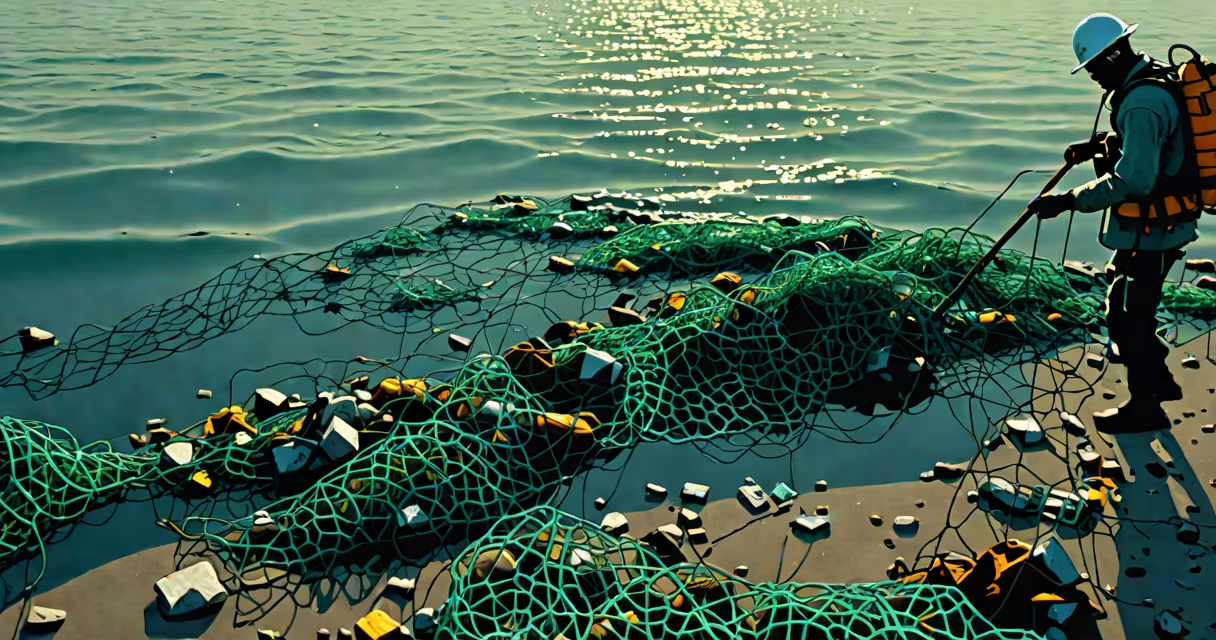
Marine pollution effects on humans occur when toxic substances from oceans enter food chains, drinking water, or coastal air, leading to direct health impacts such as neurological damage, cancer, and reproductive harm. These effects arise through ingestion, inhalation, or skin contact with polluted marine environments.
Contaminants like mercury, polychlorinated biphenyls (PCBs), and microplastics originate from industrial discharge, agricultural runoff, and plastic waste. Once released into oceans, they accumulate in fish and shellfish-key protein sources for millions. Humans consuming these species absorb toxins that bioaccumulate over time, increasing risk of chronic illness.
The World Health Organization (WHO) confirms that marine pollutants contribute to 1.6 million premature deaths annually due to diet-related diseases linked to seafood contamination. The U.S. Environmental Protection Agency (EPA) identifies mercury levels in certain tuna species as exceeding safe consumption limits in multiple regions.
Toxins enter the human body primarily through diet, especially fish and shellfish harvested from polluted waters. Mercury, for example, converts to methylmercury in aquatic ecosystems. This form crosses the blood-brain barrier and damages developing nervous systems. A 2021 study in *Environmental Health Perspectives* found children born to mothers who ate high-mercury fish during pregnancy scored 5-7 points lower on cognitive tests.
Inhalation is another route. Coastal communities near industrial ports or shipyards face elevated airborne pollutants. Volatile organic compounds (VOCs) from fuel spills and offshore drilling operations can travel inland. In Louisiana's Cancer Alley, residents report higher rates of asthma and rare cancers, linked to proximity to petrochemical plants and adjacent waterways.
Direct contact occurs during recreation. Swimmers exposed to sewage-laden seawater face gastrointestinal illness. A 2019 CDC report documented a 34% increase in norovirus cases among beachgoers after stormwater runoff overwhelmed treatment facilities in Southern California.
Three major classes of marine pollutants pose distinct threats:
| Pollutant Type | Primary Source | Human Health Effect | Example Case |
|---|---|---|---|
| Methylmercury | Industrial emissions, coal burning | Neurotoxicity, developmental delays | Minamata Disease (Japan, 1950s) |
| PCBs | Old electrical equipment, industrial waste | Cancer, immune suppression | Great Lakes fish advisories (U.S.) |
| Microplastics | Plastic debris breakdown | Chronic inflammation, hormone disruption | Shellfish from Mediterranean coast tested with 100+ particles per gram |
Mercury contamination remains a global concern. In the Amazon Basin, artisanal gold mining releases mercury into rivers. Fish consumed by Indigenous communities show mercury levels up to 20 times higher than WHO safety thresholds. A 2023 study in *The Lancet Planetary Health* tied elevated mercury in maternal hair samples to reduced infant birth weight.
PCBs persist in sediments for decades. Despite being banned since 1979, they still appear in fish caught off New Jersey and Long Island. The EPA classifies PCBs as probable human carcinogens based on epidemiological evidence from factory workers and fishermen.
Microplastics are now detected in 90% of tested seafood products globally. A 2022 analysis by the University of Ghent found microplastics in human lung tissue and placental samples. While long-term consequences remain under study, early findings suggest inflammatory responses and potential interference with fetal development.
Many assume marine pollution only affects wildlife. In reality, human populations depend heavily on marine resources. Over 3 billion people rely on seafood as their primary protein source. Contamination doesn't stop at ecological damage-it directly alters public health outcomes.
Another misconception is that filtering seafood removes toxins. Cooking does not eliminate heavy metals or persistent organic pollutants. Boiling, frying, or grilling fish does not reduce mercury or PCB levels. Only sourcing from low-contamination zones prevents exposure.
A lesser-known fact: some pollutants travel via atmospheric transport. Mercury from Asian coal plants evaporates into the atmosphere and deposits in Arctic waters. This process contributes to elevated mercury levels in polar bears and indigenous hunters who consume them-proving pollution knows no borders.
After the 2010 Deepwater Horizon oil spill, researchers monitored seafood safety in Louisiana, Mississippi, and Alabama. The National Oceanic and Atmospheric Administration (NOAA) tested over 1,200 samples of shrimp, oysters, and red snapper between 2011 and 2014.
Results showed elevated levels of polycyclic aromatic hydrocarbons (PAHs) in 17% of samples. PAHs are known carcinogens formed during incomplete combustion. Regulatory agencies issued temporary fishing bans in affected zones. Even after reopening, some consumers reported nausea and headaches after eating local seafood.
Long-term follow-up revealed a 22% rise in liver enzyme abnormalities among commercial fishers compared to non-fishing controls. These changes indicate early signs of liver damage from prolonged exposure to petroleum-derived toxins.
This case illustrates how marine pollution cascades from environment to economy to health. Local livelihoods collapsed. Public trust in seafood declined. Health monitoring became essential.
Consumers can reduce risk by choosing low-mercury fish. The FDA recommends limiting albacore tuna to once per week and avoiding shark, swordfish, king mackerel, and tilefish. Opt instead for sardines, anchovies, and salmon-species lower on the food chain and less likely to accumulate toxins.
Regulatory bodies enforce standards. The European Union sets strict limits on mercury in fish sold across member states. Japan monitors mercury in tuna from Tokyo Bay and adjusts export quotas accordingly.
Monitoring programs exist. NOAA's National Status and Trends Program tracks pollutants in marine organisms across U.S. coasts. Data is publicly available and used to update fish consumption advisories.
For those concerned about coastal air quality, tracking local pollution indices helps avoid exposure during peak emissions. Air quality alerts often correlate with wind patterns bringing oceanborne pollutants inland.
Understanding marine pollution effects on humans requires seeing the connection between ocean health and human well-being. Pollution doesn't stay in the sea-it moves through food, air, and water to reach people.