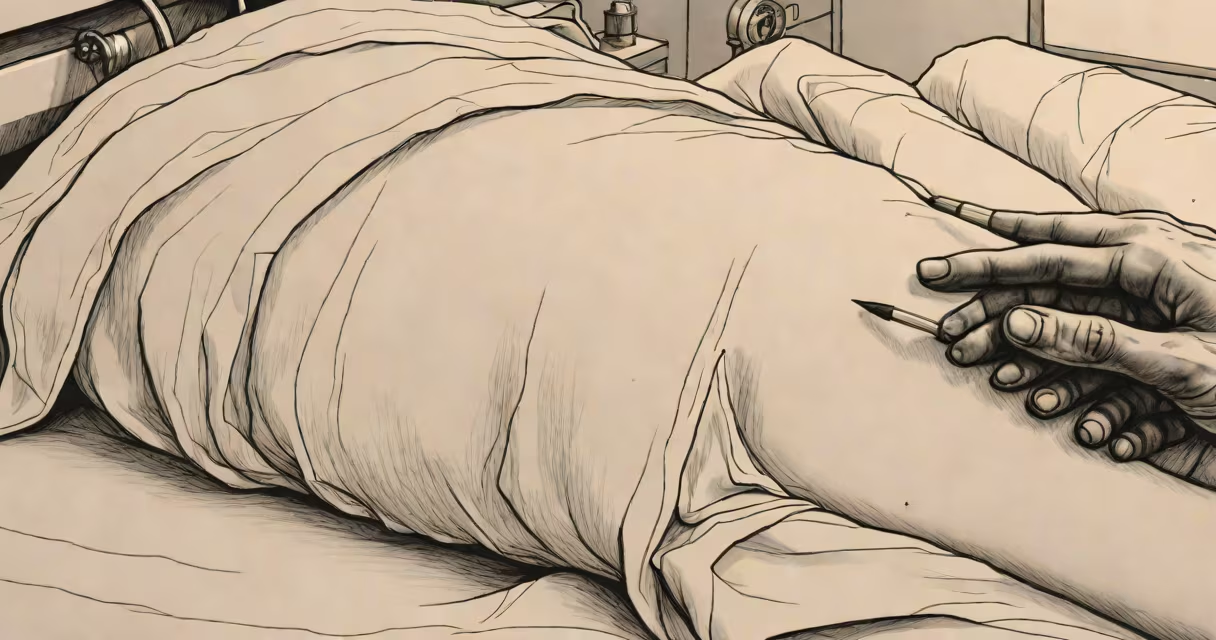
End stage liver failure is the final phase of chronic liver disease, marked by visible physical changes and severe organ dysfunction. It occurs when scar tissue replaces healthy liver tissue, impairing blood flow, detoxification, and protein synthesis. This stage often results from untreated cirrhosis, hepatitis B or C, alcohol-related liver disease, or non-alcoholic fatty liver disease progressing to decompensation.
The liver's inability to perform basic functions leads to systemic consequences. Clinically, end stage liver failure manifests through distinct visual and physical signs: yellowing of the skin and eyes (jaundice), fluid buildup in the abdomen (ascites), swelling in the legs (edema), and altered mental status due to toxin accumulation (hepatic encephalopathy). These signs reflect irreversible damage and signal a critical need for medical intervention.
According to the American Association for the Study of Liver Diseases (AASLD), end stage liver failure is diagnosed when the Model for End-Stage Liver Disease (MELD) score exceeds 20, indicating high risk of mortality within months without transplant. A MELD score above 30 correlates with a 50% one-year survival rate without intervention. Early recognition of clinical signs improves outcomes and guides treatment decisions.
Jaundice is one of the most recognizable features. Bilirubin, a waste product from red blood cell breakdown, accumulates in the bloodstream when the liver cannot process it. This causes yellow discoloration of the skin and sclera (whites of the eyes). In advanced cases, the skin may appear orange or greenish, especially under bright light.
Ascites-the accumulation of fluid in the abdominal cavity-is another sign. As liver function declines, portal vein pressure rises (portal hypertension), forcing fluid into the peritoneal space. Abdominal distension can increase by several inches in weeks. A physical exam may reveal shifting dullness or fluid wave positivity. Imaging confirms fluid presence; ultrasound shows free fluid in the pelvis and flanks.
Edema develops in the lower extremities due to low serum albumin levels. The liver produces albumin, which maintains oncotic pressure. When production drops below 3 g/dL, fluid leaks into tissues. Swelling begins in the feet and ankles, progressing to the shins and sometimes the hands. Pitting edema-indentations that remain after pressing the skin-is common.
Hepatic encephalopathy alters brain function. Toxins like ammonia bypass the liver and enter the bloodstream, affecting cognition. Patients may show confusion, memory lapses, slurred speech, or personality changes. In severe cases, they lapse into coma. The West Haven criteria classify encephalopathy from grade 0 (subtle) to grade 4 (coma).
Other systemic signs include spider angiomas-small red vessels radiating from a central point, typically on the upper torso-and palmar erythema (redness on the palms). These result from hormonal imbalances due to impaired liver metabolism. Gynecomastia (enlarged breasts in men) and testicular atrophy also occur due to reduced testosterone clearance.
A 2021 study in *Gastroenterology* found that 68% of patients with decompensated cirrhosis had at least one sign of end stage failure within six months of diagnosis. Ascites was the most frequent initial complication, appearing in 41% of cases. Jaundice followed in 35%, and hepatic encephalopathy in 22%. These numbers show how rapidly the condition progresses once decompensation occurs.
Many assume end stage liver failure resembles acute liver injury, such as drug-induced hepatitis. But acute failure presents suddenly-within days-with rapid onset of confusion, bleeding, and shock. End stage failure evolves over years, with gradual worsening of symptoms.
Another misconception is that all patients with cirrhosis reach end stage. Not true. With early diagnosis and abstinence from alcohol, some stabilize or improve. The UK's National Institute for Health and Care Excellence (NICE) reports that 30% of compensated cirrhosis patients remain stable for five years with lifestyle management and medication.
Some confuse ascites with ovarian cysts or intestinal obstruction. However, ascites is confirmed via imaging and paracentesis (fluid removal). Analysis reveals high protein content and low glucose-features not seen in malignancy or infection. A fluid-to-serum albumin gradient (SAAG) above 1.1 confirms portal hypertension as the cause.
Consider a 58-year-old man with a 20-year history of heavy alcohol use. He presents with abdominal swelling, leg edema, and difficulty concentrating. Blood tests show elevated bilirubin (4.2 mg/dL), low albumin (2.8 g/dL), prolonged prothrombin time (INR 1.8), and low platelets (85,000/μL). Ultrasound confirms ascites and splenomegaly. His MELD score is 26.
These findings align with end stage liver failure. The combination of jaundice, ascites, and encephalopathy indicates decompensation. His low albumin and prolonged INR suggest poor synthetic function. The elevated bilirubin confirms impaired excretion. This patient requires urgent evaluation for liver transplantation.
Another example: a 63-year-old woman with non-alcoholic steatohepatitis (NASH) who developed sudden confusion and lethargy. She had no known alcohol history. Lab work showed hyperammonemia (120 μmol/L), elevated bilirubin (3.1 mg/dL), and mild ascites. Brain MRI revealed symmetric white matter changes. Diagnosis: hepatic encephalopathy secondary to end stage liver disease.
These cases illustrate how clinical presentation varies but converges on similar pathophysiology. The key is recognizing patterns-not isolated symptoms.
End stage liver failure is not synonymous with liver cancer. While hepatocellular carcinoma can develop in cirrhotic livers, it presents differently-often with a mass on imaging, rising alpha-fetoprotein (AFP), and localized pain. Not all liver failure patients have cancer.
It's also not the same as heart failure. Both can cause edema and ascites, but cardiac causes lack jaundice and elevated bilirubin. Cardiac ascites is usually transudative (low protein), while liver-related ascites is exudative (high protein). Differentiating requires analysis of fluid composition.
End stage liver failure does not resolve with rest or hydration. Unlike fatigue from stress or dehydration, the symptoms persist and worsen. Patients require specialist care, not home remedies.
In my time working in a hepatology clinic, I saw a patient whose skin turned golden yellow over four weeks. He had no fever, no rash, and denied recent medications. His bilirubin rose from 1.2 to 7.8 mg/dL. The change was subtle at first-family noticed he looked "yellowish," then his eyes turned amber. By week five, he developed confusion and required admission. His diagnosis: end stage liver failure from undiagnosed autoimmune hepatitis.
This case highlights how insidious progression can be. Patients often delay seeking care until symptoms become severe. Early signs like fatigue or mild swelling are dismissed as aging or weight gain.
When assessing end stage liver failure, consider related presentations. Liver failure poop may be pale or clay-colored due to lack of bilirubin in stool. Stool may also be greasy and float-indicating fat malabsorption from poor bile production.
| Symptom | Underlying Cause | Frequency in End Stage Failure |
|---|---|---|
| Jaundice | Bilirubin retention due to impaired excretion | 70-80% |
| Ascites | Portal hypertension and hypoalbuminemia | 40-50% |
| Edema | Low serum albumin and sodium retention | 35-45% |
| Hepatic encephalopathy | Ammonia toxicity and cerebral edema | 20-30% |
These frequencies come from a 2022 cohort study published in *The Lancet Gastroenterology & Hepatology*. They reflect real-world prevalence and help clinicians prioritize screening.
End stage liver failure is not a single symptom-it's a constellation of visible, measurable, and life-threatening changes. Recognizing them early improves survival and quality of life. If you see jaundice, swelling, confusion, or unusual odors in someone with liver disease, seek immediate medical attention.