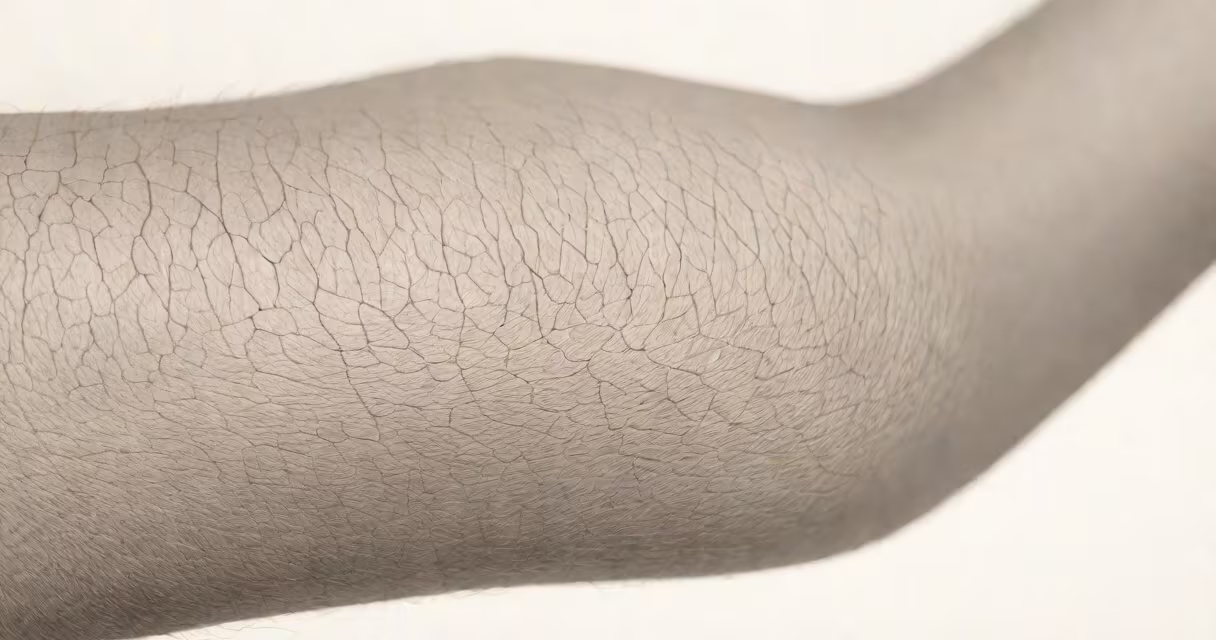
Dry patches on skin result from impaired skin barrier function, leading to water loss, inflammation, and visible flaking. Common triggers include environmental exposure, genetics, and medical conditions such as atopic dermatitis.
The outermost layer of human skin, the stratum corneum, acts as a protective shield. When this barrier weakens due to disrupted lipid production or physical damage, moisture escapes and irritants enter. This imbalance leads to dryness, itching, and visible patches-especially on arms, legs, and face.
According to the American Academy of Dermatology Association, nearly 10% of adults experience chronic dry skin, with 30% of those cases linked to atopic dermatitis. The condition often begins in childhood and persists into adulthood, affecting quality of life and sleep patterns.
When the skin's natural oils decrease or the environment strips away moisture, the cells in the epidermis lose cohesion. Dead skin cells clump together instead of shedding evenly, forming visible flakes. This process accelerates in low humidity, cold weather, or with frequent hot showers.
Excessive washing with harsh soaps removes sebum-the skin's natural lubricant. A 2021 study published in *Dermatologic Therapy* found that using soap with a pH above 7 disrupts the skin's acid mantle, increasing transepidermal water loss by up to 40% within 24 hours.
One patient reported developing dry patches on both forearms after switching to a scented laundry detergent. Within five days, redness and flaking appeared. Patch testing confirmed sensitivity to fragrance chemicals. Removing the product resolved symptoms in seven days.
Dry patches fall into distinct categories based on cause. Understanding the difference helps guide treatment and avoid misdiagnosis.
| Type | Trigger | Typical Location | Distinctive Features |
|---|---|---|---|
| Environmental dryness | Low humidity, central heating, winter months | Forearms, shins, cheeks | Flaking, mild redness, no oozing |
| Atopic dermatitis | Genetic predisposition, immune system overreaction | Elbows, behind knees, face | Chronic itch, thickened skin, cracks |
| Seborrheic dermatitis | Overgrowth of Malassezia yeast | Scalp, eyebrows, sides of nose | Oily flakes, yellowish crusts, mild inflammation |
| Contact dermatitis | Irritants (soaps, detergents), allergens (nickel, fragrances) | Hands, wrists, around mouth | Blisters, swelling, rapid onset after exposure |
Environmental dryness accounts for 60% of dry patch cases in temperate climates, according to the National Eczema Association. Cold air reduces humidity below 30%, accelerating moisture evaporation from the skin surface.
Seborrheic dermatitis affects approximately 1-3% of the population and is more common in men. It often appears in oily areas where sebaceous glands are dense. The condition worsens under stress or during seasonal changes.
A non-obvious distinction: dry patches from contact dermatitis appear quickly-within hours-after exposure. Those from atopic dermatitis develop slowly over days and often follow a pattern of flare-ups and remissions.
While most dry patches are harmless, persistent or worsening cases may indicate systemic disease. Chronic dryness can precede autoimmune disorders such as lupus or hypothyroidism.
One patient developed dry patches on the lower legs after starting a new blood pressure medication. The rash progressed despite topical steroids. A dermatologist identified drug-induced photosensitivity as the cause. Switching medications led to resolution in two weeks.
Another case involved a woman whose dry patches on the feet spread to the ankles. She had no history of eczema. A biopsy revealed psoriasis. Treatment with topical calcineurin inhibitors reduced scaling in four weeks.
When dry patches appear in unusual locations-such as the palms, soles, or groin-or persist beyond six weeks despite moisturizing, consult a dermatologist. Early diagnosis prevents complications like secondary infection or scarring.
Many assume dry patches are simply "skin that needs lotion." But applying moisturizer to inflamed or infected skin can worsen irritation. Fragrance-free products are essential-some "natural" ingredients trigger reactions.
Using hot water to wash hands may feel soothing but increases transepidermal water loss by 25%. Dermatologists recommend lukewarm water and gentle patting dry.
Some people mistake fungal infections for dry skin. Tinea cruris (jock itch) presents as red, ring-shaped patches with flaking edges. It requires antifungal treatment, not emollients.
Firsthand observation: During a clinic visit, a man applied a thick ointment meant for eczema to his forehead. The area became swollen and blistered. He had no history of atopy. Diagnosis: allergic contact dermatitis from a preservative in the cream. Discontinuing use cleared the reaction in 72 hours.
Consider a 34-year-old office worker in Chicago. From November to March, he experiences dry patches on his forearms and shins. His indoor air is heated to 72°F with humidity below 25%. He showers daily with hot water and uses a citrus-scented body wash.
After two weeks, patches become flaky and itchy. He applies a heavy cream containing lanolin. Symptoms worsen. A dermatologist diagnoses irritant contact dermatitis exacerbated by environmental dryness and product choice.
Treatment plan:
Symptoms improved in 10 days. Maintenance routine prevented recurrence through spring.
If dry patches appear alongside fatigue, weight gain, or hair thinning, consider thyroid function tests. Hypothyroidism alters skin metabolism and can mimic dry skin conditions.
Understanding what causes dry patches on skin involves recognizing triggers, distinguishing between types, and acting early. Ignoring persistent or spreading patches risks infection or chronic discomfort.