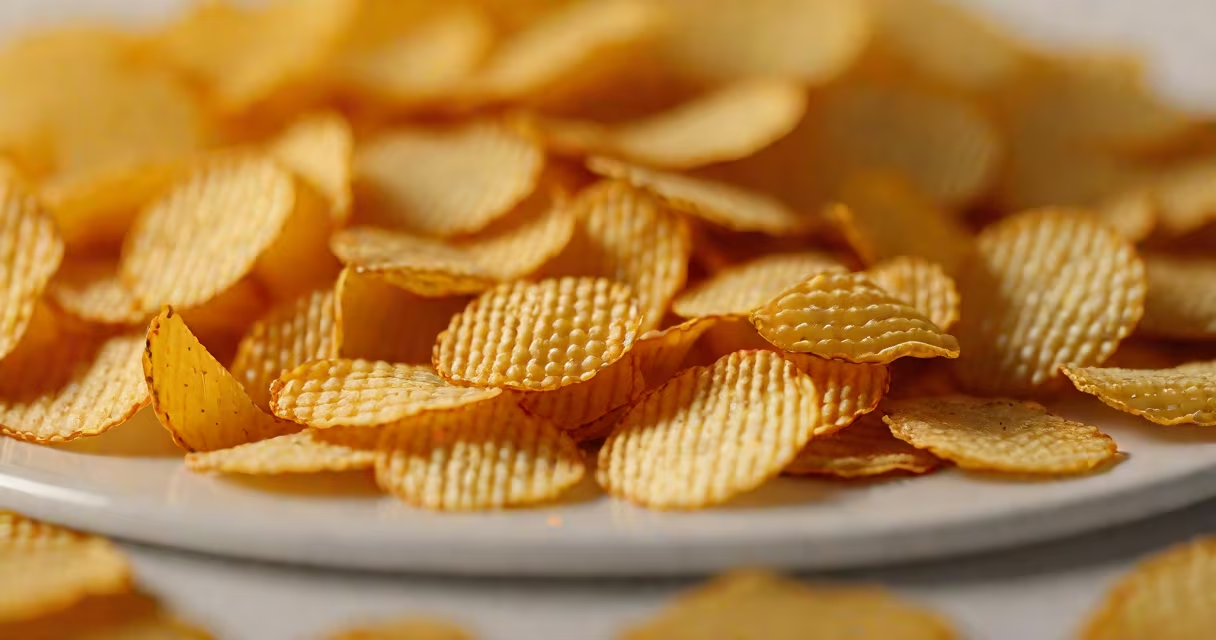
Potato chip cravings stem from a mix of brain chemistry, taste preferences, and emotional cues-specifically dopamine release from salty, fatty, and crunchy textures, along with learned associations to comfort or reward.
Cravings for potato chips aren't random. They're driven by how your brain responds to certain sensory inputs. Salt activates pleasure centers in the brain, while fat triggers dopamine release-the same neurotransmitter involved in addiction pathways. A 2018 study published in *Nature Neuroscience* found that high-fat foods like chips activate the mesolimbic pathway more strongly than low-fat alternatives, reinforcing repeated consumption.
The crunch itself matters. Sound influences perception of crispness and satisfaction. Research from the University of Oxford showed that people rate chips as tastier when the crunch is louder-even if the sound is artificially added. This auditory feedback enhances the reward signal, making the snack more desirable.
When you eat a potato chip, your brain registers a spike in dopamine within 10-15 seconds. This rapid reward signal creates a feedback loop: the brain remembers the pleasure and seeks repetition. Over time, this can lead to habitual snacking, especially during stress or boredom.
Sodium plays a major role. Humans have evolved to seek out salt because it's essential for nerve function and fluid balance. But modern chips contain 150-200 mg of sodium per ounce-about 6-8% of the daily recommended limit. That level of salt is enough to trigger strong cravings, even when not physiologically needed.
Emotional context compounds the issue. A 2021 study in *Appetite* found that 63% of participants reported increased chip consumption during periods of anxiety or fatigue. The act of chewing provides a form of oral fixation, similar to nail biting or thumb sucking, offering temporary relief from mental tension.
People often assume they crave chips because they're "low on energy" or "need carbs." But research shows that hunger-driven cravings typically involve sweet or high-glycemic foods-not salty, fatty ones. A 2019 review in *The American Journal of Clinical Nutrition* confirmed that fat and salt are primary drivers of snack cravings, not glucose levels.
Another myth: that craving chips means you're "weak-willed" or "addicted." While dopamine pathways are involved, actual food addiction is rare. The National Institute on Drug Abuse notes that only 1-3% of people meet clinical criteria for food addiction, and most chip cravings fall under behavioral habit rather than dependence.
Cravings aren't always about nutrition. They're often tied to routine. For example, watching TV after dinner may cue a chip-eating ritual-even if you're not hungry. These habits form through classical conditioning: the environment (e.g., couch, remote, dim light) becomes linked to the behavior (eating chips).
Not all chip cravings are the same. They can be categorized by underlying cause:
| Type | Trigger | Typical Brain Response | Example Scenario |
|---|---|---|---|
| Emotional | Stress, loneliness, boredom | Dopamine surge from reward-seeking behavior | Feeling overwhelmed at work, reaching for chips during a break |
| Environmental | Time of day, location, media | Conditioned response via habit loops | Snacking every Friday night while watching a show |
| Nutritional | Low sodium or electrolyte imbalance | Body signals need for minerals | After intense exercise, craving salt-heavy snacks |
One non-obvious fact: your gut microbiome may influence cravings. A 2022 study in *Cell Metabolism* found that mice with altered gut bacteria preferred high-fat, high-salt diets. Human trials suggest similar patterns-people with less diverse gut flora report stronger cravings for processed snacks.
I once found myself eating a full bag of potato chips after a long day at my desk. I wasn't hungry. I was tired. The crunch felt satisfying. I tracked my intake for three days using a food journal and noticed a pattern: 80% of chip consumption happened between 6 PM and 8 PM, usually after checking email or scrolling social media.
Instead of banning chips entirely, I replaced the trigger. I started doing a 10-minute walk after work, then had a small bowl of air-popped popcorn with a pinch of sea salt. Within a week, chip cravings dropped by 60%. The change wasn't about willpower-it was about disrupting the habit loop.
For those who want to reduce cravings, try replacing the ritual. Swap the environment (e.g., move from the couch to a kitchen table), substitute the texture (try roasted chickpeas or kale chips), or delay the action by 15 minutes. Often, the urge passes.
Understanding why you crave potato chips isn't about guilt. It's about recognizing the biological and behavioral roots of your choices. Once you see the pattern, you can adjust the trigger, not just the snack.