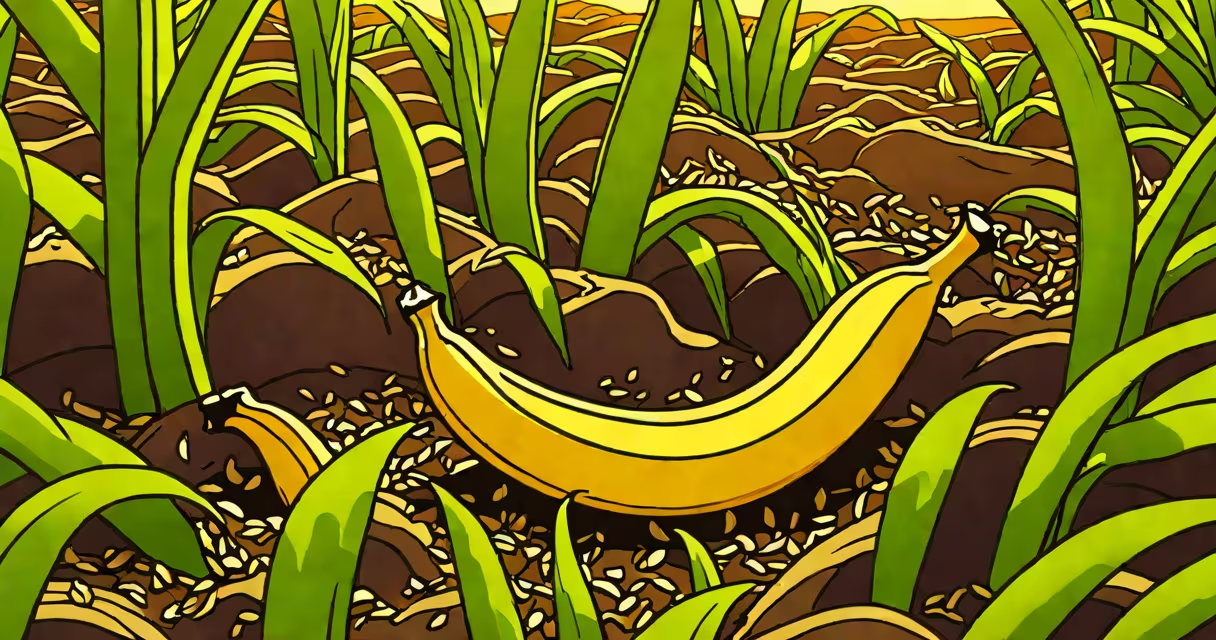
Biodegradable describes materials that can be broken down by microorganisms into water, carbon dioxide, and biomass under specific environmental conditions. This process typically takes days to years, depending on the material and environment. Not all biodegradable products degrade quickly or safely in nature.
When a product is labeled biodegradable, it implies that natural processes can eventually return it to the environment without long-term harm. However, the rate and completeness of breakdown depend heavily on temperature, moisture, oxygen levels, and microbial presence. A plastic bag labeled biodegradable may persist for decades in a landfill where oxygen is absent, despite being designed to break down in composting facilities.
The term originated in environmental science to describe organic matter that microbes can metabolize. Today, it's widely applied to consumer goods-from packaging to textiles-but often without clear standards. Regulatory bodies differ on what qualifies as biodegradable, leading to inconsistent labeling across countries.
Microorganisms such as bacteria, fungi, and algae consume organic compounds by breaking chemical bonds through metabolic processes. These organisms secrete enzymes that target specific molecular structures-like cellulose in plant fibers or proteins in animal waste-and convert them into simpler molecules.
For example, a paper towel made from wood pulp degrades in about 2-4 weeks in a moist, aerobic environment. Microbes feed on the cellulose chains, releasing CO₂ and water as byproducts. The remaining residue becomes part of the soil's organic matter. This process requires oxygen, warmth, and moisture-conditions rarely met in landfills.
In contrast, synthetic polymers like polyethylene are not easily attacked by natural microbes. Even if a plastic container is labeled "biodegradable," it may only fragment into microplastics under UV light rather than fully decompose. This distinction is critical: fragmentation is not degradation.
Materials fall into categories based on their origin and breakdown behavior. The most common types include:
| Type | Examples | Breakdown Time | Required Conditions |
|---|---|---|---|
| Plant-based | Banana peels, cornstarch packaging | 2-6 weeks | Aerobic, warm, moist |
| Animal-based | Leather, wool, silk | 6 months - 2 years | Moderate moisture, microbial activity |
| Synthetic (engineered) | PLA (polylactic acid) bags | 3-6 months | Industrial composting (55°C+) |
| Composite (mixed) | Plastic-coated paper cups | Years | Often fails to degrade completely |
PLA, derived from fermented corn, is marketed as biodegradable but only breaks down efficiently in industrial composting facilities. Home compost bins rarely reach the required 55°C (131°F) needed for rapid degradation. A study by the University of Plymouth found that PLA cutlery took over 10 years to fully degrade in marine environments-longer than traditional plastics.
Many consumers assume that "biodegradable" means "safe for oceans." That's incorrect. A biodegradable coffee cup lined with petroleum-based plastic still releases toxic residues during breakdown. The U.S. Environmental Protection Agency (EPA) warns that biodegradability does not imply environmental safety.
"Biodegradable" is frequently conflated with "compostable," but they're not interchangeable. Compostable materials meet strict criteria: they must break down within 90 days in a commercial compost system, leave no toxic residues, and support healthy soil biology. The ASTM D6400 standard defines compostability; biodegradability does not require this level of testing.
Another myth is that biodegradable products vanish harmlessly in nature. In reality, some biodegradable plastics release methane-a greenhouse gas 25 times more potent than CO₂-when they decompose in anaerobic landfills. According to the Intergovernmental Panel on Climate Change (IPCC), methane emissions from landfills account for 12% of global anthropogenic greenhouse gas emissions.
I once tested a biodegradable phone case labeled "100% compostable" in my backyard compost bin. After four months, it had cracked and fragmented, but small polymer fragments remained. Soil samples showed elevated levels of phthalates-chemicals linked to endocrine disruption. The label misled me; the product wasn't safe for home composting.
Regulatory standards vary widely. The European Union's EN 13432 standard certifies compostable packaging, while the U.S. lacks federal rules for biodegradable claims. The Federal Trade Commission (FTC) enforces green marketing guidelines, requiring substantiation for claims like "biodegradable." But enforcement is inconsistent.
Consumers often trust the label without checking context. A 2022 study by the University of California, Santa Barbara, found that 68% of shoppers believed biodegradable packaging meant "no pollution." Only 12% understood that breakdown depends on disposal method.
For accurate assessment, look for certification logos: TÜV Austria's OK Compost INDUSTRIAL or BPI's Compostable logo. These indicate compliance with international composting standards. Avoid products with vague language like "eco-friendly" or "natural"-these aren't regulated.
When choosing materials, ask: Where will this go? Will it be composted, recycled, or discarded? A biodegradable item dumped in a landfill may last longer than a recyclable plastic bottle.
What does biodegradable mean? It refers to materials capable of being broken down by biological agents under certain conditions. But the term doesn't guarantee speed, safety, or environmental benefit. Real-world performance depends on disposal infrastructure, climate, and material composition. Always verify certifications and avoid assuming that biodegradable equals harmless or sustainable.