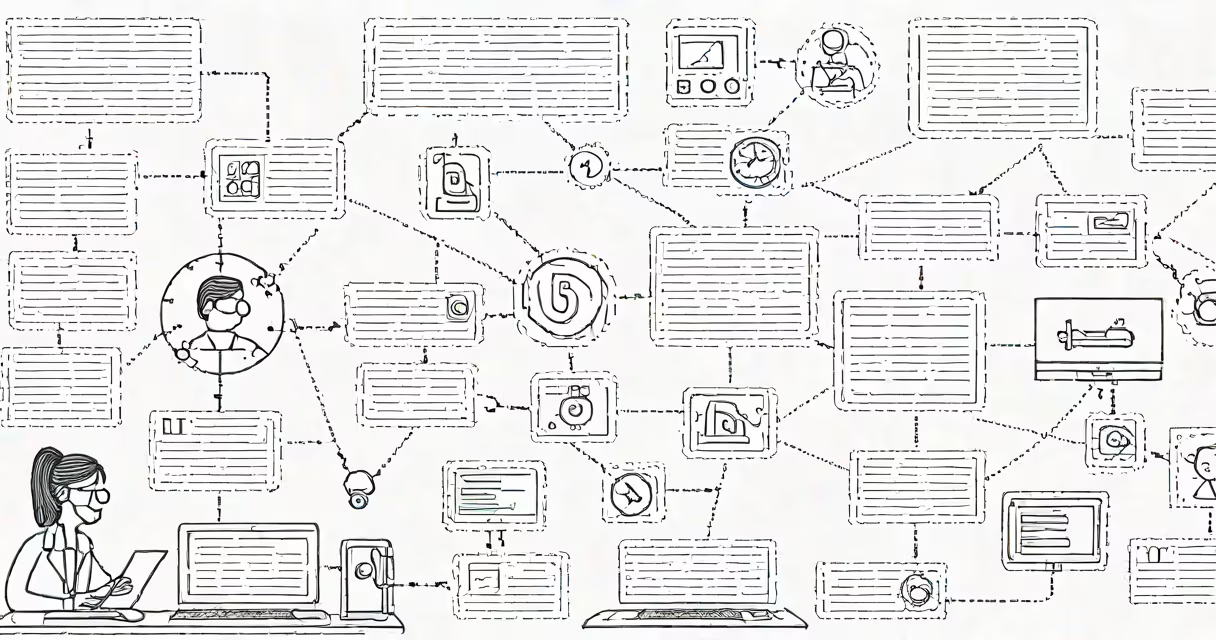
A SIEM (Security Information and Event Management) system aggregates, correlates, and analyzes security-related data from networks, servers, applications, and endpoints to identify threats, support incident response, and ensure compliance with regulatory standards.
At its core, a SIEM acts as a central nervous system for an organization's security operations. It ingests vast volumes of log data-such as authentication attempts, file access events, and firewall alerts-from diverse sources across IT infrastructure. Using predefined rules and machine learning models, it detects anomalies, suspicious behavior, and known attack patterns in real time.
For example, if a user account attempts to log in from five different countries within 30 minutes, a SIEM flags this as high-risk behavior. It then triggers an alert, often sending notifications to security teams via email, SMS, or integration with ticketing systems. This enables rapid investigation and mitigation before damage occurs.
SIEMs operate through three primary stages: collection, correlation, and response. First, agents or connectors gather raw log data from firewalls, endpoint protection software, databases, cloud platforms, and operating systems. These logs are standardized using formats like Syslog or JSON to ensure consistency.
Next, the system applies correlation rules to link seemingly unrelated events into meaningful patterns. For instance, a failed login attempt followed by a successful one from a new IP address may indicate credential stuffing-a common tactic in brute-force attacks. The SIEM combines these events into a single alert, reducing noise and improving detection accuracy.
Finally, the system supports automated responses or manual workflows. A SIEM can isolate a compromised device, disable user accounts, or initiate forensic data collection based on predefined playbooks. According to IBM's 2023 Cost of a Data Breach Report, organizations using SIEMs detected breaches 60% faster than those without them.
Modern SIEMs include several technical layers: data ingestion, normalization, storage, analytics, visualization, and reporting. They rely on centralized databases to store historical logs-often for years-to meet compliance requirements such as HIPAA, PCI DSS, and GDPR.
There are two main deployment models: on-premises and cloud-based. On-premises SIEMs offer greater control over data and configuration but require significant infrastructure and maintenance. Cloud-native solutions like Microsoft Sentinel or Splunk Cloud provide scalability, automatic updates, and integration with existing SaaS environments.
| Type | Best For | Example Tools | Storage Model |
|---|---|---|---|
| On-Premises | Highly regulated industries, strict data residency laws | Symantec Security Information Manager, QRadar | Local servers or private cloud |
| Cloud-Based | Startups, distributed teams, rapid scaling | Microsoft Sentinel, Splunk Cloud, LogRhythm | Vendor-managed cloud infrastructure |
Many organizations now use managed SIEM services, where vendors handle tuning, alert management, and threat intelligence feeds. This reduces the burden on internal security teams, especially those lacking dedicated analysts.
SIEMs are not standalone security tools. They don't prevent attacks-they detect them. A firewall stops unauthorized access; a SIEM identifies when someone bypassed it. Confusing these roles leads to gaps in defense strategy.
Another misconception is that SIEMs automatically catch all threats. In reality, they depend heavily on accurate rule configuration and ongoing tuning. Without proper baseline settings, false positives can overwhelm teams. A 2022 study by Ponemon Institute found that 57% of security professionals reported spending more than half their time investigating false alarms from SIEMs.
SIEMs differ from SOAR (Security Orchestration, Automation, and Response) platforms. While both handle alerts, SOAR automates response actions-like blocking IPs or resetting passwords-based on SIEM findings. Think of the SIEM as the eyes and ears, and SOAR as the hands and voice.
In one incident I observed while working with a healthcare provider, a SIEM detected unusual outbound traffic from a medical imaging server. The logs showed repeated connections to a known malicious domain associated with ransomware distribution. The system flagged the event due to a rule tracking DNS queries to domains on threat intelligence blacklists.
Within 12 seconds of the alert, the SIEM triggered an automated response: it isolated the server from the network, disabled the affected user account, and sent a notification to the SOC team. Forensic analysis later revealed the server had been infected via a phishing email. Because the SIEM caught the behavior early, the breach was contained before patient records were accessed.
This example illustrates a key advantage: speed. Manual monitoring would have taken hours to notice the pattern. The SIEM processed thousands of logs per second and acted within seconds-critical in stopping lateral movement.
The organization used the SIEM's audit trail to demonstrate compliance during a HIPAA review. All access logs for protected health information were stored and searchable, proving adherence to data retention policies.
What does a SIEM do? It transforms fragmented security data into actionable intelligence. It doesn't replace human judgment but amplifies it by filtering noise and highlighting risks that demand attention. For any organization managing digital assets, a well-configured SIEM is not optional-it's foundational.