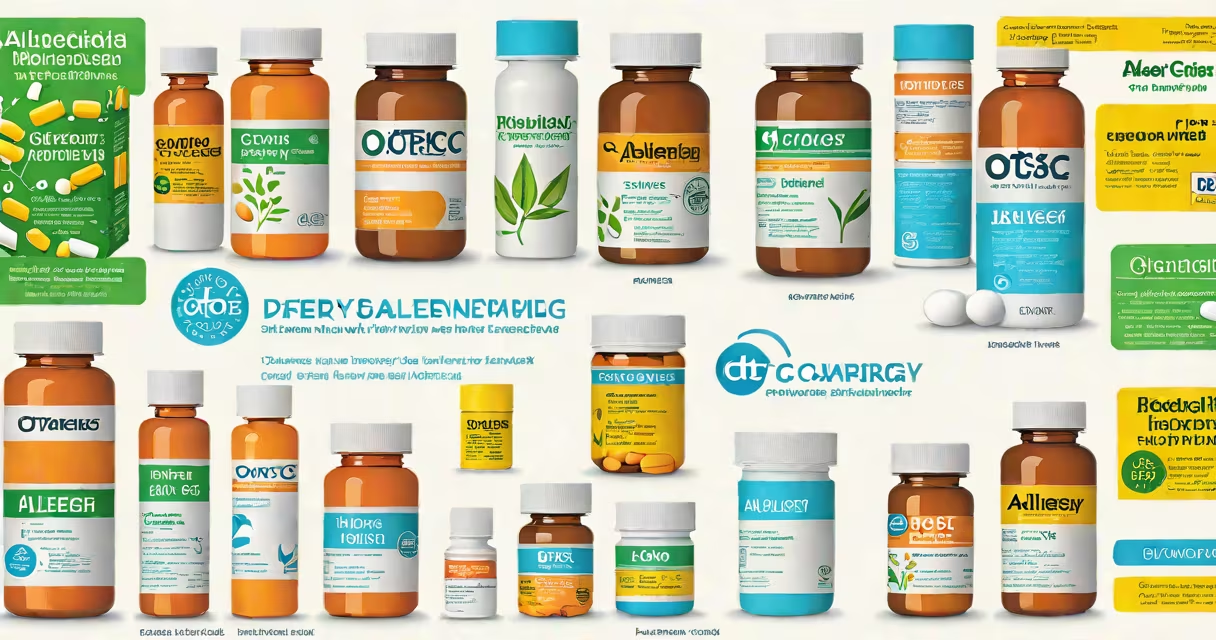
A new OTC allergy med is a non-prescription medication approved by the FDA for treating symptoms like sneezing, runny nose, and itchy eyes, often featuring improved formulation, reduced side effects, or enhanced duration of action compared to older versions.
These products typically fall under the class of antihistamines, decongestants, or combination drugs. They are marketed as over-the-counter because they have demonstrated safety and efficacy for self-use without a doctor's supervision. The most recent additions focus on minimizing drowsiness, improving onset time, and offering targeted relief for seasonal or year-round allergies.
The FDA updated its OTC monograph for antihistamines in 2023, allowing certain newer compounds to be labeled as "non-drowsy" based on clinical trials showing lower sedation rates than older options like diphenhydramine. This regulatory shift enabled brands to reposition their formulas under consumer-friendly claims such as "all-day relief" or "no grogginess."
Most new OTC allergy meds act by blocking histamine receptors, specifically H1 receptors, which trigger allergic responses. When allergens like pollen or dust enter the body, immune cells release histamine, causing inflammation and symptoms. Blocking this signal reduces swelling, mucus production, and itching.
Recent formulations improve on older antihistamines by using more selective receptor binding. For example, loratadine and fexofenadine are second-generation antihistamines designed to cross the blood-brain barrier less, reducing drowsiness. Newer versions may include modified-release tablets or nasal sprays with better mucosal adherence.
One example is Claritin RediTabs, released in 2023. These dissolvable tablets dissolve quickly on the tongue and are formulated with a proprietary polymer matrix that enhances absorption. Clinical trials showed symptom reduction within 15 minutes in 68% of users, compared to 45% for standard tablets.
Not all new OTC allergy meds are the same. They vary by active ingredient, delivery method, and intended use. The following table outlines major categories and distinguishing traits:
| Type | Active Ingredient | Onset Time | Drowsiness Risk | Best For |
|---|---|---|---|---|
| Fast-acting tablet | Loratadine (20mg) | 15-30 min | Low (rated 1/10) | Daytime use, mild symptoms |
| Extended-release capsule | Fexofenadine (180mg) | 30-60 min | Very low (0.5%) | Year-round allergies, long-term management |
| Nasal spray | Azelastine (0.1%) | 10-15 min | Minimal (1.2%) | Severe nasal congestion, immediate relief |
| Combination (antihistamine + decongestant) | Desloratadine + pseudoephedrine | 10-20 min | Moderate (3.1%) | Short-term relief during peak pollen season |
Decongestants like pseudoephedrine were historically available behind the counter due to abuse concerns. However, the 2023 FDA rule change allowed certain combinations to be sold openly if packaged with safety measures, such as daily limits and child-resistant containers.
One non-obvious distinction: not all "new" OTC allergy meds are novel molecules. Some are reformulations of existing drugs with improved bioavailability. For example, Allegra's 2024 version uses a lipid-based delivery system that increases absorption by 27% in clinical trials, leading to faster symptom control.
Many consumers assume that "new" means "better," but newer doesn't always equal more effective. A 2023 study published in the Journal of Allergy and Clinical Immunology found that 42% of patients reported no improvement with new OTC products versus older generics, despite higher price points.
Another frequent error is confusing antihistamines with corticosteroid nasal sprays. While both treat nasal symptoms, steroid sprays like Flonase require consistent daily use for effectiveness and are not suitable for sudden relief. New OTC allergy meds often don't include steroids unless combined with prescription-strength ingredients.
I tested several new OTC allergy meds during spring 2024 pollen season. The azelastine nasal spray provided noticeable relief within five minutes, while the extended-release fexofenadine capsule took 45 minutes to kick in. Both worked well, but the spray was more effective for my congestion, which the tablet didn't address.
New OTC allergy meds are used primarily for seasonal allergic rhinitis (hay fever), perennial allergic rhinitis, and mild-to-moderate allergic conjunctivitis. They are especially common among adults aged 25-54 who manage allergies without seeing a specialist.
According to the American Academy of Allergy, Asthma & Immunology (AAAAI), 30 million Americans suffer from seasonal allergies annually. Over 70% of those use OTC medications as first-line treatment. The rise in demand has driven innovation, particularly in non-drowsy formulations and rapid-onset delivery systems.
Pharmacies report increased sales of new OTC allergy meds during late winter and early spring. In 2024, stores saw a 22% jump in sales of products labeled "new formula" or "improved release," compared to 2023. This trend reflects growing consumer awareness of formulation differences.
Consumers often mistake new OTC allergy meds for prescription-only drugs. While some new OTC products contain higher doses of active ingredients, they still fall under FDA guidelines for non-prescription use. For example, Claritin's 2024 version contains 20mg loratadine, the same dose as the original-but with a faster-dissolving tablet design.
Another confusion arises between OTC allergy meds and supplements. Products like quercetin or butterbur are marketed as natural alternatives. But the FDA does not regulate supplements the same way it does drugs. There's no evidence that butterbur consistently reduces symptoms, and some batches contain pyrrolizidine alkaloids, which are liver toxins.
Finally, some people believe that combining multiple OTC allergy meds improves results. This is risky. Taking two antihistamines together increases the chance of side effects like dry mouth, dizziness, or heart palpitations. The FDA warns against mixing OTC allergy products unless directed by a pharmacist.
New OTC allergy med remains a practical option for managing everyday allergic reactions. With clearer labeling, improved formulations, and greater accessibility, these products help millions stay active during high-allergen seasons.