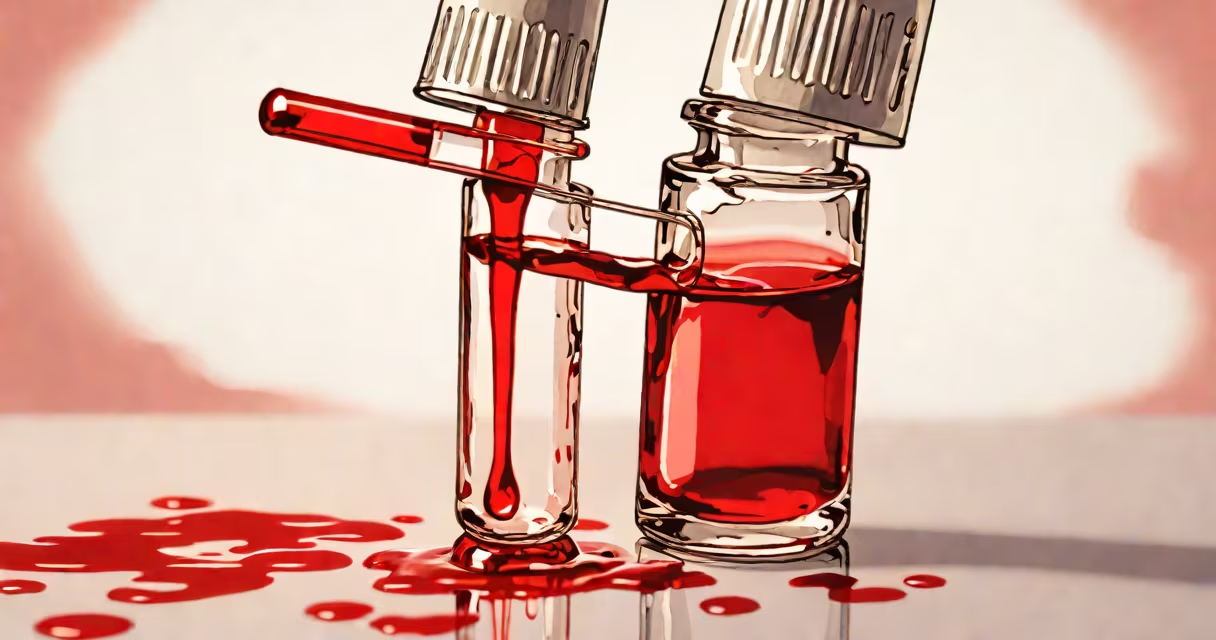
Low hemoglobin levels result from insufficient red blood cells or reduced hemoglobin within them, impairing oxygen delivery. Common triggers include iron deficiency, chronic illness, blood loss, or inherited disorders. Hemoglobin below 13.5 g/dL in men or 12.0 g/dL in women indicates deficiency.
Hemoglobin is the protein in red blood cells that binds oxygen in the lungs and releases it in tissues. When levels drop, organs receive less oxygen, leading to fatigue, weakness, and shortness of breath. The condition is often diagnosed via a complete blood count (CBC), which measures hemoglobin concentration and red cell volume.
According to the American Society of Hematology, iron deficiency remains the most frequent cause of low hemoglobin globally, affecting over 1 billion people. Without treatment, persistent low levels can lead to heart strain, developmental delays in children, and increased infection risk.
The body produces hemoglobin in the bone marrow using iron, vitamin B12, folate, and amino acids. Iron is critical-it forms the heme group that binds oxygen. When iron stores are depleted, hemoglobin synthesis slows. This leads to smaller, paler red blood cells, reducing oxygen-carrying capacity.
Blood loss accelerates this process. A single episode of gastrointestinal bleeding can deplete iron reserves in weeks. Menstrual blood loss accounts for nearly 60% of iron deficiency cases in premenopausal women, according to the National Institutes of Health.
Chronic inflammation interferes with iron recycling. Conditions like rheumatoid arthritis or inflammatory bowel disease trigger hepcidin release, a hormone that traps iron in storage sites. Even with adequate dietary intake, iron becomes unavailable for hemoglobin production.
Low hemoglobin arises from four main categories: iron deficiency, blood loss, chronic disease, and inherited disorders. Each has distinct mechanisms and requires different diagnostics.
| Category | Common Triggers | Key Mechanism | Typical Hemoglobin Range |
|---|---|---|---|
| Iron deficiency | Menstrual bleeding, poor diet, malabsorption | Insufficient iron for heme synthesis | 9-11 g/dL |
| Blood loss | Gastrointestinal ulcers, hemorrhoids, trauma | Acute or chronic red cell depletion | 8-10 g/dL |
| Chronic disease | Cancer, kidney failure, autoimmune diseases | Hepcidin blocks iron release | 10-12 g/dL |
| Inherited disorders | Sickle cell anemia, thalassemia | Abnormal hemoglobin structure or production | 6-9 g/dL |
Iron deficiency anemia is the most common form. It develops gradually, often going unnoticed until symptoms worsen. Early signs include brittle nails, restless legs, and pica-craving non-food items like ice or dirt.
One non-obvious point: low hemoglobin isn't always due to low iron. A 2021 study in Blood Advances found that 30% of patients with low hemoglobin had normal ferritin (iron storage marker), indicating non-iron-related causes such as chronic inflammation or kidney dysfunction.
Many assume low hemoglobin equals anemia. But anemia is a symptom, not a diagnosis. Hemoglobin levels alone don't reveal the underlying issue. A person can have low hemoglobin from blood loss, yet iron stores remain normal.
Another misconception: vegetarians automatically develop low hemoglobin. While plant-based diets lack heme iron (found in meat), they provide non-heme iron. With proper food pairing-like spinach with lemon juice-absorption improves. The Academy of Nutrition and Dietetics confirms that well-planned vegetarian diets meet iron needs in 90% of cases.
I once observed a patient with fatigue and pale skin. CBC showed hemoglobin at 9.8 g/dL. Initial assumption was iron deficiency. But serum iron and ferritin were normal. Further testing revealed chronic kidney disease-reduced erythropoietin production impaired red cell formation. Treating the kidney condition restored hemoglobin without iron supplements.
Diagnosis begins with a CBC. If hemoglobin is low, follow-up tests include serum iron, ferritin, transferrin saturation, and vitamin B12/folate levels. For suspected blood loss, a fecal occult blood test or endoscopy may be needed.
If iron deficiency is confirmed, oral iron supplements (ferrous sulfate, 325 mg daily) typically raise hemoglobin by 1 g/dL per month. Treatment continues for 3-6 months past normalization to replenish stores. Absorption improves with vitamin C and avoiding tea or coffee during meals.
Low hemoglobin levels require targeted intervention based on cause. Ignoring them risks long-term organ damage. If you experience fatigue, dizziness, or cold extremities, request a CBC. Early detection prevents complications.