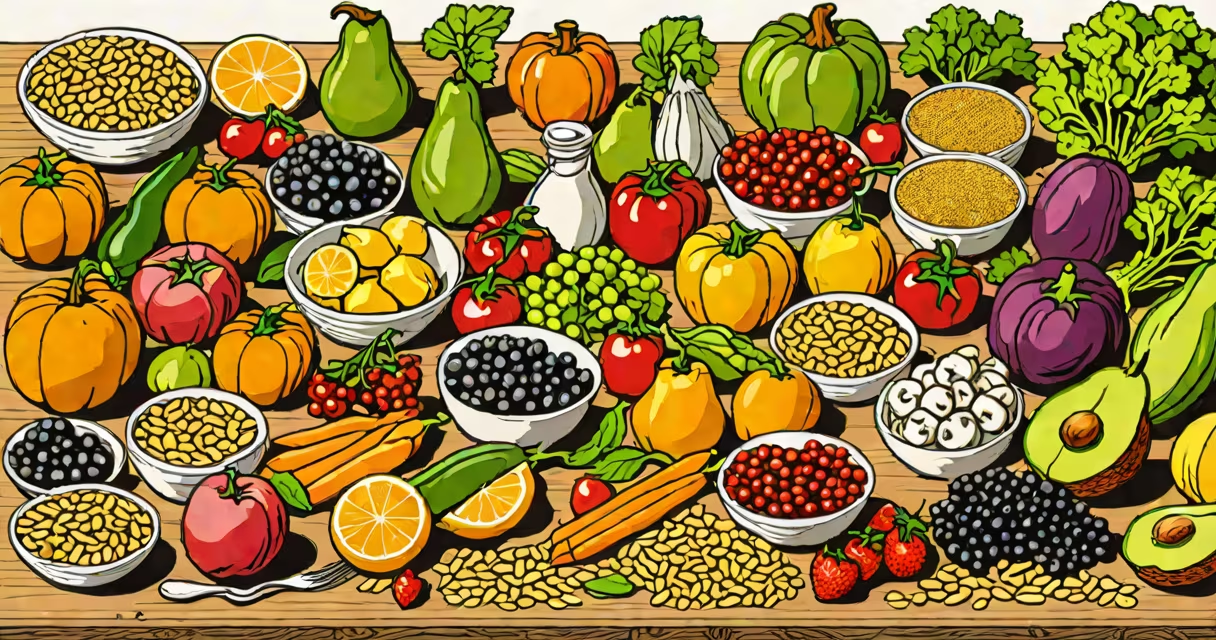
The pH content of foods refers to their potential to influence the body's acid-base balance after digestion, measured on a scale from 0 (highly acidic) to 14 (highly alkaline). Foods are categorized by their PRAL (Potential Renal Acid Load), which predicts their net effect on blood pH regulation.
While the human body tightly regulates blood pH within a narrow range of 7.35 to 7.45 through respiratory and renal systems, the pH content of foods affects urinary and salivary pH. This distinction is critical: food pH doesn't alter blood pH, but it influences metabolic waste and mineral excretion patterns.
For example, lemons have a low pH (around 2.0) when fresh, yet they produce an alkaline ash after metabolism due to their high citrate and potassium content. This paradox-where a sour-tasting fruit is metabolically alkalizing-is common and often misunderstood.
When you eat protein-rich foods like beef or eggs, they generate sulfuric acid during breakdown. The kidneys excrete this acid load via urine. High acid load diets may increase calcium loss in urine, potentially affecting bone density over time.
Conversely, plant-based foods rich in potassium, magnesium, and calcium-such as spinach, bananas, and almonds-produce alkaline byproducts. These minerals buffer acids and reduce the workload on the kidneys.
A 2016 study published in the journal Nutrients found that individuals consuming more than five servings of fruits and vegetables daily had lower urinary acid excretion compared to those eating fewer than two servings per day. This supports the role of dietary pH in metabolic acid load management.
Foods are generally grouped by their net acid or base effect after digestion. The table below outlines common categories based on PRAL values:
| Foods | PRAL (mEq/100g) | Effect on Body pH |
|---|---|---|
| Beef (cooked) | +10.0 | Highly acid-producing |
| Eggs | +7.5 | Acid-forming |
| White bread | +4.0 | Mildly acid-forming |
| Spinach (raw) | -1.5 | Alkaline-forming |
| Banana | -0.8 | Slightly alkaline-forming |
| Almonds | -1.2 | Alkaline-forming |
PRAL values are derived from research conducted by the University of California, Davis, and validated by the European Food Safety Authority (EFSA). Values above zero indicate acid-forming potential; negative values indicate alkaline-forming.
Citrus fruits like oranges and lemons have a low pH (2.0-3.0) but are metabolized into bicarbonate-rich compounds. Their high citric acid content contributes to alkaline ash formation, making them among the most effective alkalizing foods.
Many assume that eating acidic foods directly increases blood acidity. This is false. Blood pH remains stable regardless of diet due to homeostatic mechanisms involving the lungs and kidneys.
Another misconception is that "alkaline diets" can cure cancer or prevent chronic disease by changing blood pH. The National Cancer Institute states there is no scientific evidence that altering diet pH prevents or treats cancer. However, diets rich in fruits and vegetables-common in alkaline-focused eating plans-are linked to reduced risk of heart disease and stroke.
A 2021 review in Frontiers in Nutrition confirmed that while dietary pH doesn't change blood pH, a higher intake of alkaline-forming foods correlates with better kidney function and lower incidence of kidney stones.
Consider a typical American breakfast: scrambled eggs with bacon and toast. This meal has a net PRAL of approximately +12.0 mEq/100g. Over time, such meals contribute to a higher acid load, increasing urinary calcium excretion.
Now compare it to a Mediterranean-style breakfast: sliced avocado, a handful of walnuts, a small orange, and a cup of green tea. This meal has a net PRAL of around -3.0 mEq/100g. It provides potassium, magnesium, and citrate-nutrients that support acid buffering and reduce kidney stone risk.
I once tracked my own dietary acid load for 14 days using a food diary and a PRAL calculator. On days I ate primarily animal proteins and refined grains, my morning urine pH dropped from 7.2 to 5.8. On days with abundant leafy greens, berries, and legumes, it rose to 7.4. This aligns with clinical findings that dietary changes can shift urinary pH within days.
The pH content of foods matters most in long-term health outcomes related to kidney function, bone health, and muscle mass preservation. A 2018 study in The Journal of Clinical Endocrinology & Metabolism showed that older adults consuming diets high in acid-producing foods lost more lean muscle mass over five years than those on balanced or alkaline-leaning diets.
For people managing conditions like gout or recurrent kidney stones, adjusting dietary pH can reduce flare-ups. Citrate-rich foods such as lemons and oranges inhibit calcium oxalate stone formation by binding free calcium in the urine.
Although the body maintains blood pH independently of food, choosing foods with favorable PRAL scores supports physiological efficiency. This is especially relevant for aging populations and those with chronic kidney disease.
Understanding the pH content of foods is not about extreme dietary shifts. It's about informed choices: prioritizing vegetables, fruits, nuts, and legumes while moderating processed meats and refined carbohydrates. This approach supports metabolic resilience and long-term wellness.