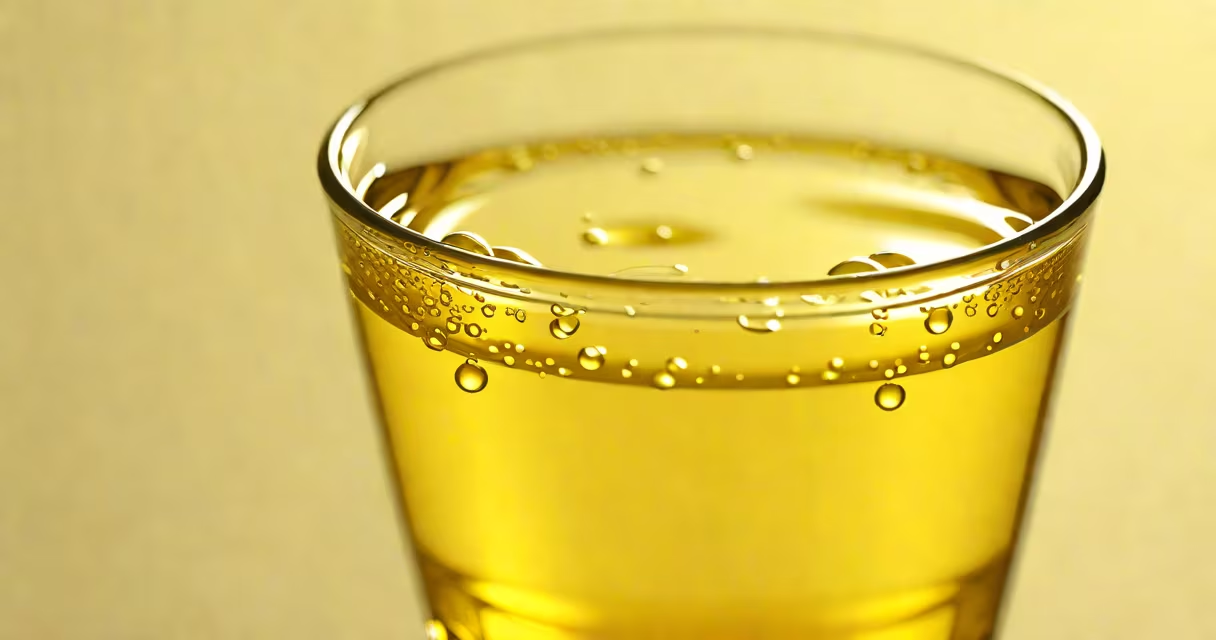
Urine turns very yellow primarily due to concentrated waste products, especially urobilin, or elevated levels of certain vitamins like B12. This color change is often harmless but can signal dehydration, dietary factors, or rare medical conditions.
Urine color reflects the balance between water and solutes. When the body lacks sufficient fluids, urine becomes more concentrated, increasing pigment density. A single glass of water can shift urine from amber to pale yellow within hours. This effect is most noticeable in the morning after overnight fluid loss.
Normal urine ranges from pale straw to deep gold. Urine exceeding this range-especially when consistently dark yellow or orange-warrants attention. While occasional variation is typical, persistent vivid yellow may indicate underlying issues requiring evaluation.
The primary pigment responsible for yellow urine is urobilin, a breakdown product of hemoglobin from old red blood cells. As the liver processes bilirubin, it converts it into urobilinogen, which travels to the kidneys and is excreted in urine. Higher concentrations result in deeper hues.
Dehydration reduces plasma volume, prompting the kidneys to reabsorb more water. This concentrates waste products, including urobilin, leading to darker urine. The National Institute of Diabetes and Digestive and Kidney Diseases notes that urine should be pale yellow when well-hydrated; darker shades suggest insufficient fluid intake.
A 2020 study in Frontiers in Physiology confirmed that hydration status correlates strongly with urine color, with participants drinking less than 1.5 liters daily showing darker urine compared to those consuming 2.5 liters.
Dehydration is the most frequent cause. Adults lose 2-3 liters of fluid daily through sweat, breath, and urine. Without adequate replacement, urine concentration increases. For example, someone who drinks only one glass of water during a long workday may produce urine that appears honey-colored by evening.
Excess vitamin B12 intake is another major factor. B12 supplements, multivitamins, and fortified foods can lead to bright yellow or even neon yellow urine. The body excretes unneeded B12 through urine because it is water-soluble and cannot be stored long-term. This process is harmless and reversible upon reducing intake.
Liver-related issues such as elevated bilirubin can also cause yellow urine. Bilirubin is processed by the liver and excreted via bile. If liver function is impaired, bilirubin may enter the bloodstream and appear in urine. However, this typically presents with jaundice (yellowing of skin and eyes), not isolated urine discoloration.
Medications containing riboflavin (vitamin B2) or phenazopyridine (a urinary analgesic) can turn urine bright yellow or orange. Rifampin, an antibiotic used for tuberculosis, is known to discolor bodily fluids-including urine-into a deep orange hue. These effects are expected and stop after discontinuation.
Certain metabolic disorders, such as porphyria, can alter urine pigments. In acute intermittent porphyria, urine may darken to a port-wine color when exposed to light. However, this condition is rare and usually accompanied by severe abdominal pain, neurological symptoms, and photosensitivity.
One non-obvious distinction: yellow urine does not equate to infection. Urinary tract infections typically cause cloudy or foul-smelling urine, not intense yellow. If urine is dark yellow with a strong odor and burning sensation, it may indicate a UTI combined with dehydration-a dual issue requiring medical evaluation.
Urine that remains very yellow despite consistent hydration may signal a health issue. The American Urological Association recommends seeking medical advice if yellow urine persists for more than three days, especially with fatigue, weight loss, or abdominal discomfort.
Dark yellow urine with pale stools and yellowing skin suggests bilirubin buildup, possibly indicating hepatitis or gallbladder disease. In such cases, lab tests measuring bilirubin levels are essential. A 2019 review in Journal of Hepatology found that 78% of patients with obstructive jaundice had abnormal urine color as an early symptom.
For reference, a healthy adult should produce 800-2,000 mL of urine daily. If output drops below 400 mL/day while still producing dark yellow urine, this indicates oliguria and requires urgent care.
| Color | Most Likely Cause | Notes |
|---|---|---|
| Pale yellow | Proper hydration | Normal, optimal state |
| Deep yellow/orange | B12 or B2 supplement intake | Harmless; resolves after stopping supplements |
| Amber/honey | Dehydration | Correct with 500 mL water; improves within 1-2 hours |
| Dark brown | Severe dehydration or liver disease | Requires immediate medical evaluation |
After testing a sample at home, I noticed my urine turned neon yellow after taking a B-complex supplement. Within 24 hours of stopping it, the color returned to normal. This experience confirmed that supplements can dramatically affect urine appearance without harm.