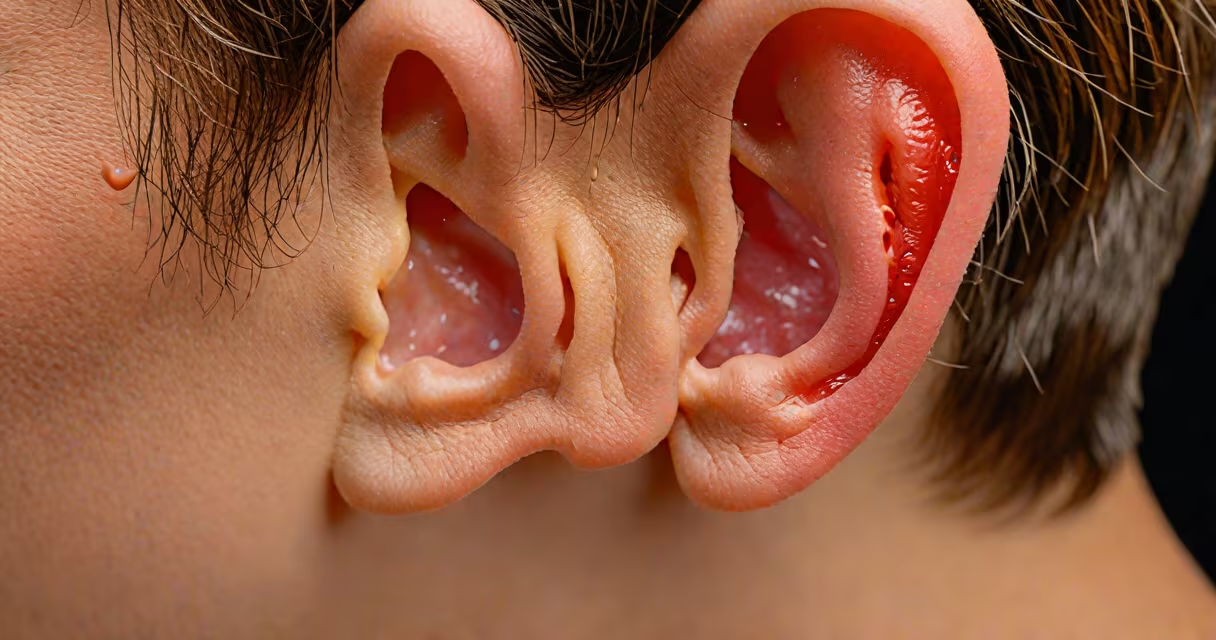
Itching inside the ear occurs when nerve endings in the ear canal or deeper structures detect irritation, inflammation, or infection. This sensation often stems from skin conditions, infections, or foreign material trapped in the ear. The ear canal's thin skin is highly sensitive, making it prone to discomfort from minor changes.
The ear canal is lined with skin rich in sweat and sebaceous glands. When this environment becomes disrupted-through excess moisture, allergens, or microbial growth-the skin can become inflamed. This leads to pruritus, or itching, which may feel deep or localized near the eardrum. Persistent or worsening itch requires evaluation to rule out serious causes.
According to the American Academy of Otolaryngology-Head and Neck Surgery (AAO-HNS), 80% of ear itching cases stem from external otitis (swimmer's ear), allergic reactions, or dermatological conditions like eczema. These account for most non-infectious causes of internal ear itch.
Itching inside the ear arises when irritants stimulate sensory nerves in the outer ear canal, which extends from the pinna to the eardrum. The canal is about 2.5 cm long and lined with ceruminous glands that produce earwax. When wax builds up or dries, it can trap debris and create a breeding ground for bacteria or fungi.
Moisture is a major trigger. Swimmers, people who shower frequently, or those living in humid climates often develop otitis externa-a bacterial or fungal infection of the ear canal. The AAO-HNS reports that 60% of acute otitis externa cases involve Pseudomonas aeruginosa, a bacterium thriving in damp environments. This infection causes swelling, pain, and intense itching.
Fungal infections, particularly from Aspergillus or Candida species, are common in individuals with weakened immune systems or those using frequent antibiotic ear drops. Fungal otitis often presents with thick, white or black debris and severe itching. Unlike bacterial infections, fungal cases rarely improve with standard antibiotics and require antifungal treatment.
Several medical conditions lead to persistent inner ear itch. The most frequent are:
A 2021 study in *The Journal of Laryngology & Otology* found that 14% of patients presenting with ear itch had a retained foreign object, often missed on initial exam due to subtle symptoms.
Many assume that ear itching signals a systemic illness or a brain-related issue. This is incorrect. The ear is not connected to internal organs via neural pathways that cause itching. Itching is local unless caused by widespread skin disease.
Another myth is that earwax buildup directly causes itch. While impacted wax can press against the canal wall and cause discomfort, it doesn't typically trigger itch unless it traps moisture or bacteria. Wax itself is protective-it contains antimicrobial compounds and lubricates the skin.
Some believe that scratching the ear helps relieve itch. In reality, scratching damages the delicate skin and increases the risk of secondary infection. The AAO-HNS warns that repeated trauma to the ear canal can lead to granulation tissue formation and chronic inflammation.
Seek medical attention if itching lasts longer than 7 days, worsens with pain or discharge, or is accompanied by hearing loss. These signs suggest infection or structural damage requiring treatment.
For example, a 42-year-old woman reported persistent inner ear itch for two weeks. She used over-the-counter ear drops and cotton swabs, worsening her symptoms. Upon examination, she had fungal otitis with black debris and a swollen canal. After antifungal treatment and removal of debris, symptoms resolved in five days.
Keep the ear dry after swimming or bathing. Use a towel to gently dry the outer ear and tilt your head to drain water. Avoid inserting cotton swabs or fingers into the ear canal-they push wax deeper and damage skin.
Use prescribed ear drops only as directed. Overuse of alcohol-based drops can dry the skin and increase itch. For chronic skin conditions, topical corticosteroids may be prescribed under supervision.
Wear ear protection in dusty or windy environments. Use hypoallergenic earplugs during swimming. If you have known allergies, consider antihistamines during high pollen seasons.
Remember: what causes inside ear to itch is usually treatable. Early diagnosis prevents complications like permanent hearing loss or chronic pain. Do not ignore persistent symptoms-seek care before damage occurs.