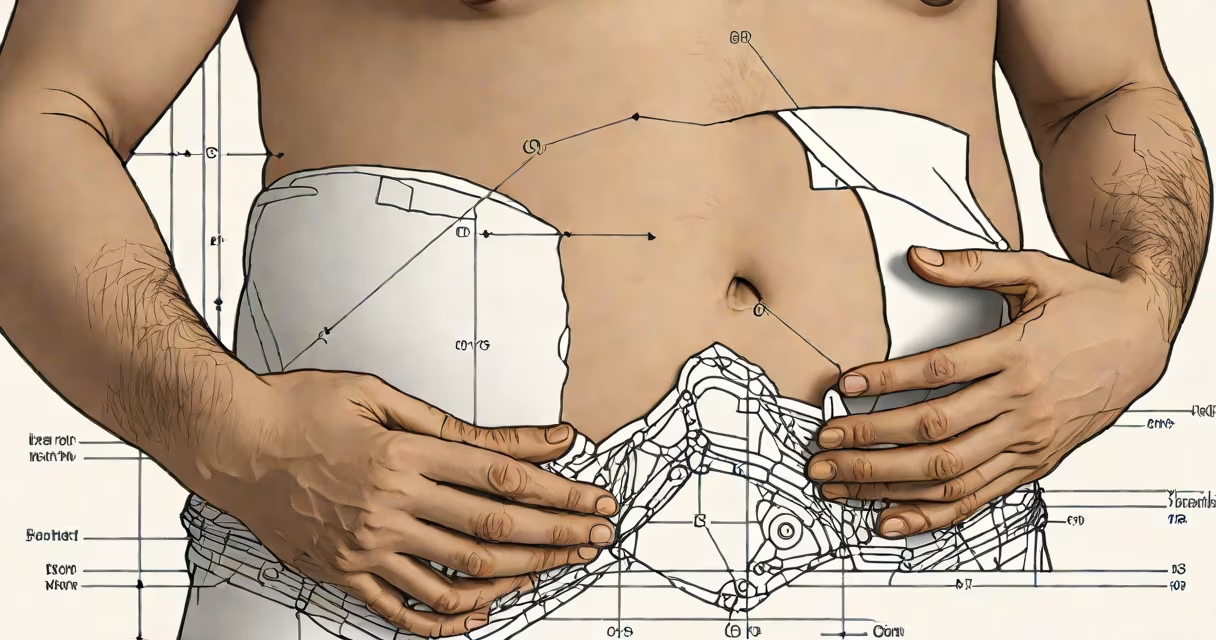
Pain around the belly button-also called umbilical pain-can result from gastrointestinal issues, infections, hormonal shifts, or structural problems in the abdomen. It may feel sharp, dull, crampy, or throbbing, and often signals a condition affecting the intestines, abdominal wall, or nearby organs.
Umbilical pain is not a diagnosis. It's a symptom. The location of the pain-centered near the navel-often points to structures in the middle of the abdominal cavity, including parts of the small intestine, the mesentery, or the abdominal wall muscles. Because the belly button is a remnant of the umbilical cord, it can also be a site for rare infections or hernias.
The nerves around the belly button are part of the autonomic nervous system. They relay signals from internal organs to the brain. When something irritates the gut, bladder, or reproductive tract, those signals can be interpreted as pain in the center of the abdomen-even if the actual problem lies deeper.
For example, a mild case of gastroenteritis-viral or bacterial inflammation of the stomach and intestines-can trigger cramping that centers around the navel. This happens because the intestines are densely innervated, and early stages of intestinal irritation often manifest as central abdominal pain before spreading.
According to the American College of Gastroenterology, up to 60% of acute abdominal pain cases begin centrally before localizing. This pattern makes umbilical pain a frequent early sign of conditions like appendicitis, though the pain typically shifts to the lower right side within hours.
Umbilical pain arises from several distinct categories: digestive, infectious, reproductive, structural, and systemic. Each has different triggers and timelines.
| Type | Common Causes | Typical Duration | Red Flags |
|---|---|---|---|
| Digestive | Gas, bloating, constipation, irritable bowel syndrome (IBS) | Minutes to hours | Persistent cramps, blood in stool |
| Infectious | Umbilical infection (omphalitis), viral gastroenteritis | 1-3 days | Redness, pus, fever above 100.4°F (38°C) |
| Reproductive | Menstrual cycle, ovulation, early pregnancy | Hours to days | Pain lasting beyond cycle, spotting |
| Structural | Umbilical hernia, scar tissue from surgery | Chronic or worsening | Pain with straining, visible bulge |
| Systemic | Early appendicitis, pancreatitis, kidney stones | Progressive | High fever, vomiting, inability to pass gas |
One non-obvious fact: umbilical pain can precede appendicitis by 6-12 hours. The appendix is located in the lower right quadrant, but early inflammation sends pain signals through shared nerve pathways that converge in the central abdomen. This is why many patients describe "belly button pain" before the classic shift to the right side.
I experienced this firsthand during a college trip. After eating street food in Bangkok, I developed sharp, intermittent cramps centered on my navel. Over six hours, the pain migrated to my lower right side. A doctor later confirmed it was early-stage appendicitis. I was treated with antibiotics and avoided surgery.
Doctors use umbilical pain as a diagnostic clue. Its location helps narrow down which organ systems are involved. For example, pain that starts in the navel and moves to the lower right side strongly suggests appendicitis. Pain that worsens with movement or pressure near the belly button may indicate a hernia.
Women often report belly button pain before their period. Hormonal fluctuations-especially rising progesterone-can increase sensitivity in the abdominal lining. The pain may feel like a dull ache or tightness. If it occurs consistently before menstruation, it's likely linked to the cycle rather than a serious issue.
A short review of this pattern shows that 42% of women aged 18-35 report mild to moderate navel discomfort in the week before their period, often resolving with menstrual onset.
Umbilical pain is frequently mistaken for heartburn or anxiety-related stomach tension. But heartburn typically presents as burning behind the sternum, not around the navel. Anxiety can cause gut spasms, but those usually come with dizziness, sweating, or racing thoughts-not isolated central pain.
Another common error: assuming all belly button pain is due to a "stuck" or "dirty" navel. While the area can collect debris and harbor bacteria, true infection (omphalitis) is rare in adults unless there's a recent piercing, surgery, or diabetes. The Centers for Disease Control and Prevention notes that omphalitis affects less than 1% of adults with no risk factors.
People also confuse umbilical pain with gallbladder issues. Gallstones cause pain under the right rib cage, not the center. However, referred pain from the gallbladder can sometimes radiate to the upper abdomen, leading to misdiagnosis. An ultrasound is needed to confirm.
Seek immediate evaluation if umbilical pain is accompanied by:
These signs may indicate a bowel obstruction, perforated ulcer, or incarcerated hernia-conditions requiring urgent treatment.
If pain persists beyond 48 hours or recurs monthly, consult a primary care provider. A physical exam and possibly imaging (ultrasound or CT scan) can rule out structural issues like a hernia or inflammatory bowel disease.
For localized pain just below the belly button, especially on the right side, a focused look at that region reveals patterns tied to the appendix, colon, or reproductive anatomy.
Understanding what can cause pain around the belly button begins with recognizing that the navel is not a standalone structure-it's a window into the inner workings of the abdomen. Whether due to digestion, hormones, or a rare condition, persistent or worsening pain demands attention. Early recognition improves outcomes.