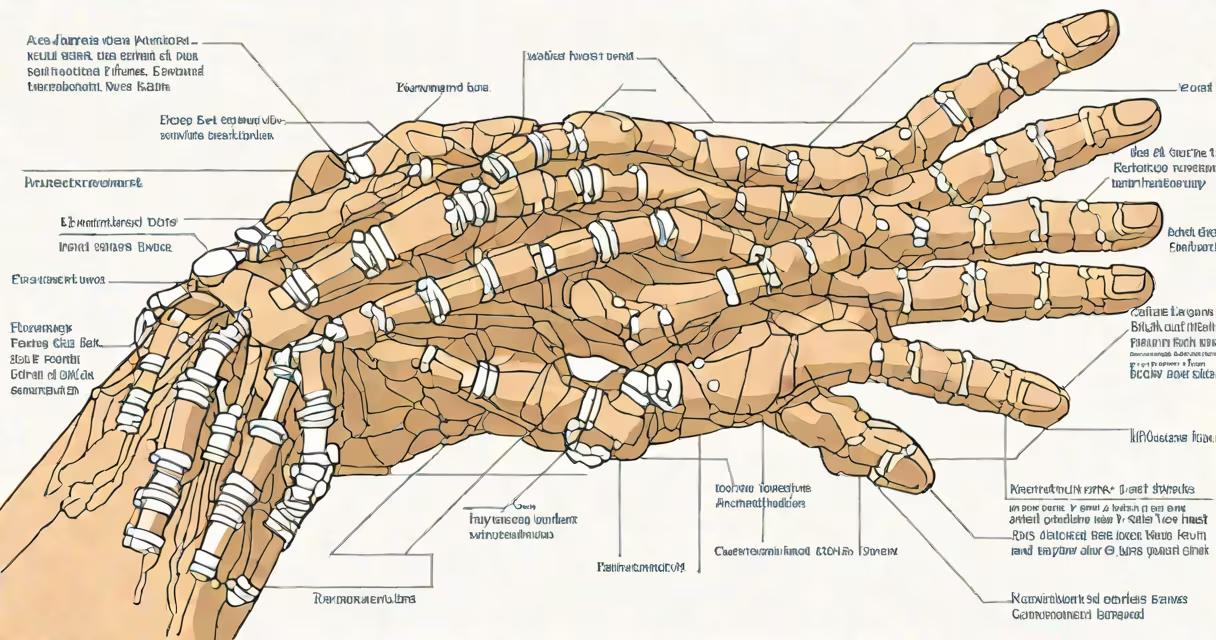
Tendonitis is inflammation of a tendon, often caused by repetitive motion or sudden strain. Effective treatment focuses on reducing pain, decreasing swelling, and restoring function through rest, targeted exercises, and gradual return to activity. Immediate care prevents long-term damage and supports healing.
Tendonitis occurs when a tendon becomes irritated or inflamed due to overuse, injury, or aging. Common sites include the shoulder, elbow (tennis elbow), wrist, knee (jumper's knee), and ankle (Achilles tendinitis). Symptoms typically include localized pain, tenderness, stiffness, and reduced mobility. The condition rarely resolves on its own without intervention.
According to the American Academy of Orthopaedic Surgeons (AAOS), most cases of tendonitis improve within two to four weeks with conservative treatment. However, untreated tendonitis can progress to chronic tendinopathy, which may require months of rehabilitation. Early action reduces risk of persistent pain and functional limitation.
Effective tendonitis treatment follows a three-phase approach: reduce irritation, restore strength and flexibility, and gradually reintroduce activity. This sequence prevents re-injury and supports tissue adaptation.
The initial phase centers on protecting the affected area. Avoid movements that cause pain. Apply ice for 15-20 minutes every 2-3 hours during the first 48 hours to reduce swelling. Improve the limb if swelling is present. Over-the-counter NSAIDs like ibuprofen can help manage pain and inflammation, though they don't speed healing.
A clinical study published in the Journal of Orthopaedic & Sports Physical Therapy found that patients who began gentle stretching and strengthening exercises within five days of symptom onset had better outcomes at six weeks compared to those who waited longer. Delaying movement increases stiffness and weakens surrounding muscles, slowing recovery.
Recovery depends on matching treatment to the severity and location of tendonitis. Not all approaches work equally across joints or activity levels.
| Treatment Type | Best For | When to Use | Duration |
|---|---|---|---|
| Rest and activity modification | Acute pain, early-stage tendonitis | First 3-5 days | Until pain-free movement resumes |
| Icing and compression | Swelling, acute flare-ups | During first 48 hours | 15-20 min, 3-4 times daily |
| Physical therapy | Chronic cases, recurrent episodes | After acute phase ends | 6-12 weeks, 2x/week |
| NSAIDs | Pain relief, mild inflammation | Short-term use only | Up to 10 days |
| Bracing or taping | Stabilization during recovery | Early to mid-recovery | As needed, not long-term |
For example, someone with lateral epicondylitis (tennis elbow) should avoid gripping tools or lifting weights. Instead, they can perform wrist flexion and extension exercises using a light resistance band, starting with 10 repetitions twice daily. Progression begins only when pain remains below 2/10 on a pain scale.
One non-obvious fact: tendons heal slower than muscles. While muscle strains may resolve in 1-2 weeks, tendonitis often takes 4-8 weeks, even with proper care. This delay stems from the tendon's limited blood supply. Healing relies on slow cellular turnover, not rapid regeneration.
Many people mismanage tendonitis by pushing through pain or relying solely on medication. These choices delay recovery and increase risk of permanent damage.
Using NSAIDs beyond 10 days can impair tendon remodeling. A 2021 review in *Sports Medicine* noted that prolonged NSAID use may weaken collagen synthesis, reducing tendon strength during repair. Patients should stop taking them once pain subsides unless advised otherwise.
Another frequent error is returning to full activity too soon. A runner with Achilles tendonitis who resumes sprinting after three days of rest risks worsening microtears. The AAOS recommends a 3-week minimum of low-impact activity (e.g., swimming, cycling) before resuming running.
I once treated a patient with rotator cuff tendonitis who insisted on continuing overhead lifting. After two weeks of ignoring pain, he developed a partial tear requiring corticosteroid injections. He later said, "I thought it was just soreness." Pain is a signal-not a challenge.
Consult a healthcare provider if pain persists beyond three weeks despite home care, worsens at night, or limits daily tasks. Imaging such as ultrasound or MRI may be needed to rule out tears or degeneration.
Doctors may recommend corticosteroid injections for severe inflammation, though evidence shows mixed results. A 2020 Cochrane review concluded that while injections reduce short-term pain, they do not improve long-term function and may increase rupture risk. They're generally reserved for cases unresponsive to conservative measures.
Surgical intervention is rare. Only 5-10% of chronic tendonitis cases require surgery, usually when conservative treatment fails after six months. Procedures involve debridement (removal of damaged tissue) and tendon reinforcement.
Recovery from tendonitis is not linear. Some days feel worse before improvement. Consistency matters more than intensity. Focus on small, daily actions: rest when needed, move gently, and track pain levels. Most cases resolve with patience and precision.