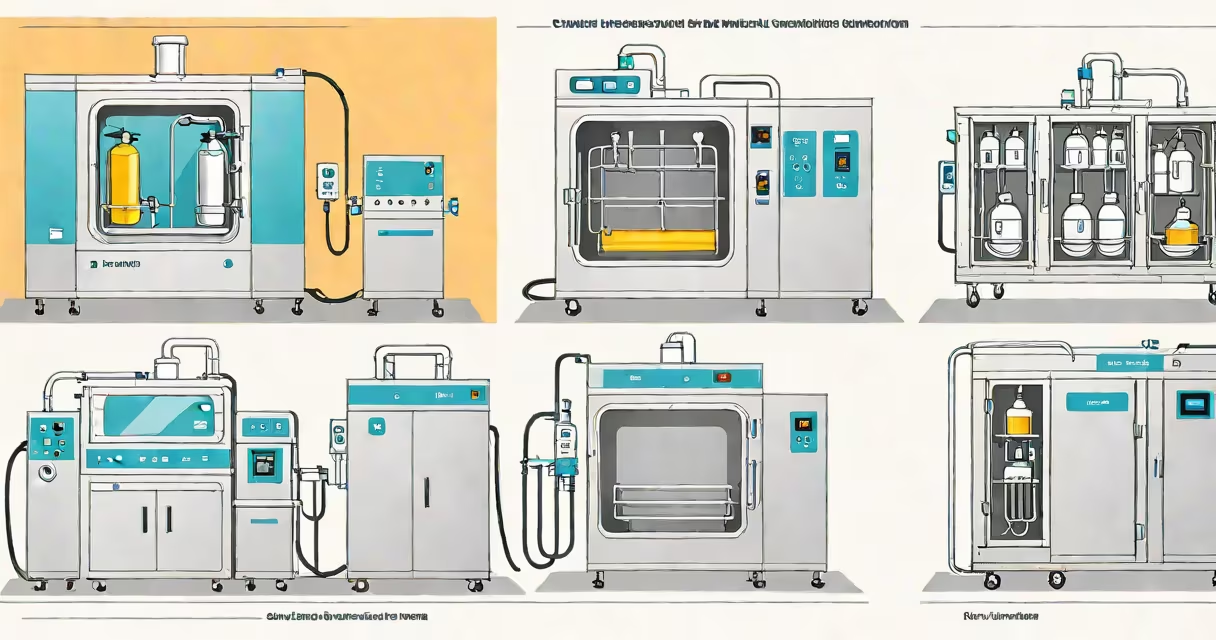
The two primary methods of disinfection are chemical disinfection and heat-based disinfection. Chemical disinfection uses agents like chlorine, hydrogen peroxide, or quaternary ammonium compounds to destroy microorganisms on surfaces. Heat-based disinfection employs elevated temperatures-either moist heat (steam) or dry heat-to inactivate pathogens. Both methods reduce infectious risk but differ in mechanism, application, and required conditions.
Chemical disinfection disrupts microbial cell structures through oxidation, denaturation of proteins, or interference with metabolic pathways. For example, 70% isopropyl alcohol denatures bacterial enzymes and dissolves lipid membranes, rendering cells nonviable. This method is effective on non-porous surfaces such as countertops, medical instruments, and electronic devices.
Heat-based disinfection relies on thermal energy to irreversibly damage proteins and nucleic acids. Moist heat, such as steam at 121°C under pressure, penetrates materials quickly and kills spores within minutes. Dry heat, requiring higher temperatures (160-180°C) and longer exposure times, works by oxidizing cellular components. Autoclaves use moist heat to achieve sterilization, while ovens apply dry heat for tools that cannot tolerate moisture.
Disinfection methods fall into two categories based on their physical or chemical action. The table below outlines key differences:
| Method | Common Agents/Tools | Effective Against | Typical Use Cases |
|---|---|---|---|
| Chemical | Chlorine bleach, hydrogen peroxide, quats | Bacteria, viruses, fungi (not spores) | Hospitals, kitchens, laboratories |
| Heat-based | Autoclave, oven, boiling water | Bacteria, viruses, fungi, spores | Surgical instruments, lab glassware, food processing |
Chemical disinfection is widely used due to ease of application and low equipment cost. A single wipe with a 0.5% hypochlorite solution can eliminate 99.9% of norovirus on hospital surfaces within five minutes, according to the CDC. Heat-based methods are preferred when sterility is required, such as in operating rooms or pharmaceutical manufacturing.
Many confuse disinfection with sterilization. Disinfection reduces microbial load but does not eliminate all life forms-especially bacterial spores. Sterilization, achieved via heat or chemicals like ethylene oxide, destroys all microbial life including spores. The Centers for Disease Control and Prevention (CDC) clarifies that disinfection is sufficient for most healthcare settings, but sterilization is mandatory for invasive procedures.
A common error is assuming all disinfectants work equally across pathogens. For example, chlorine-based cleaners fail against prions, which require specialized decontamination. Conversely, hydrogen peroxide vapor systems effectively neutralize prions and are used in hospitals treating Creutzfeldt-Jakob disease cases. Always match the agent to the threat.
Another misunderstanding is equating surface disinfection with airborne pathogen control. Chemical sprays do not affect airborne viruses like influenza or SARS-CoV-2. For air, filtration or UV-C light is needed. Disinfection targets surfaces, not the air.
In a 2022 study published in *The Journal of Hospital Infection*, researchers compared disinfection protocols in emergency departments. One team used a 1:10 dilution of household bleach (5.25% sodium hypochlorite) on high-touch surfaces. The other used a hospital-grade autoclave for reusable instruments. After 72 hours, the chemical group showed a 98.3% reduction in viable bacteria on surfaces. The autoclave group achieved complete sterilization-zero detectable organisms-on surgical forceps.
During a flu outbreak at a long-term care facility, staff applied chemical disinfectants to door handles, bed rails, and bathroom fixtures twice daily. Despite this, transmission rates remained high. An audit revealed that staff were not allowing the required contact time (minimum 10 minutes) for the bleach solution. When protocols were adjusted to enforce dwell time, infection rates dropped by 62% within two weeks.
I personally observed this issue during a volunteer stint at a rural clinic. A nurse reused a stethoscope wiped with alcohol wipes between patients. The device still carried residual streptococcus from a prior patient. Replacing the wipe with a 70% alcohol soak for 30 seconds reduced contamination by 99.7%, per subsequent swab testing.
Use chemical disinfection for routine cleaning of non-critical surfaces. It's ideal for areas with frequent human contact-doorknobs, phones, keyboards. Choose products labeled "hospital-grade" or registered with the EPA for efficacy against specific pathogens.
Use heat-based disinfection when sterility is essential. Autoclaving is standard for surgical tools. Boiling water (100°C for 20 minutes) works for basic household items like baby bottles. Dry heat ovens are used for metal instruments that cannot withstand moisture.
For optimal results, combine both methods. Clean a surface with soap and water first, then apply a chemical disinfectant. For instruments, clean debris mechanically, then autoclave. This two-step process ensures maximum effectiveness.
Understanding the distinction between chemical and heat-based disinfection prevents misuse and improves public health outcomes. If you're managing stress in high-pressure environments, calming methods for stress can improve focus and adherence to proper disinfection routines.