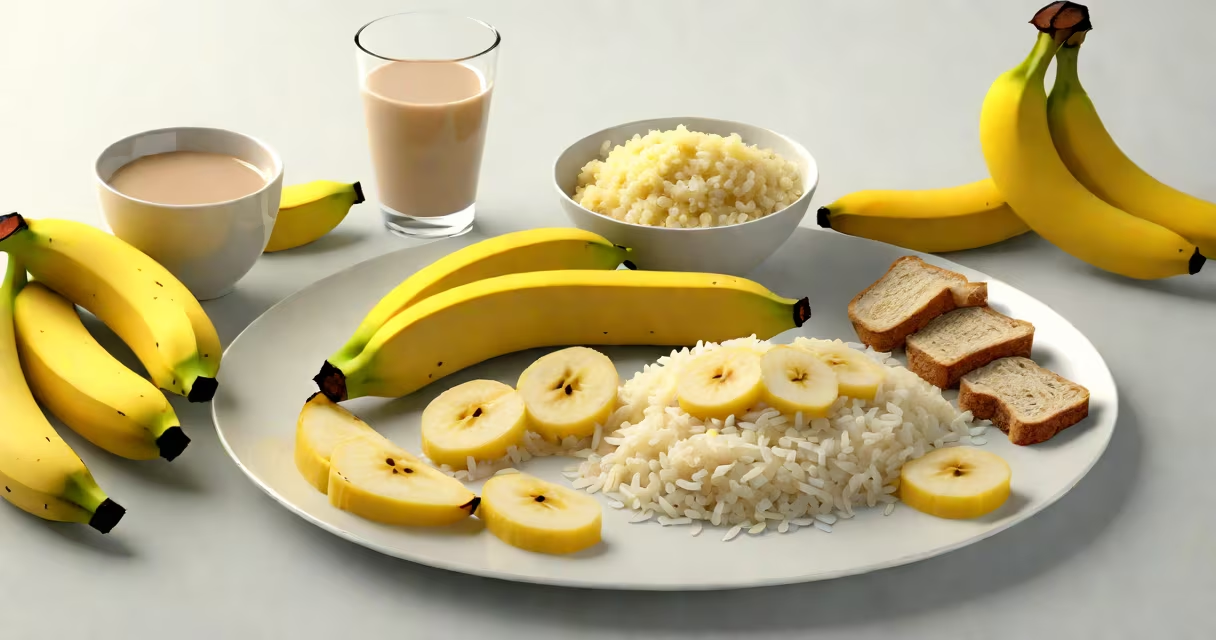
Food you can eat with a stomach virus includes clear fluids, bananas, rice, applesauce, and toast-these gentle options help maintain hydration and reduce intestinal irritation during acute gastrointestinal distress. This approach supports recovery without overwhelming a sensitive digestive system.
The core principle is simplicity. During a stomach virus, the gastrointestinal tract becomes inflamed and hypersensitive. Introducing complex or irritating foods can prolong symptoms. Instead, focus on low-fiber, low-fat, low-acid, and easily digestible foods that minimize gut activity while providing essential nutrients and fluids.
Medical guidelines from the American Academy of Pediatrics emphasize that rehydration takes priority over nutrition during acute viral gastroenteritis. For adults and children alike, starting with small sips of clear fluids prevents dehydration, which worsens fatigue and slows recovery. Once vomiting subsides, gradually introduce bland solids.
Bananas, rice, applesauce, and toast-the classic BRAT diet-were developed in the 1960s to manage mild diarrhea in children. While modern research shows they aren't superior to other bland diets, their low fiber and low acidity make them safe choices during early recovery.
For example, bananas provide potassium, which is lost through vomiting and diarrhea. A medium banana contains about 422 mg of potassium-critical for maintaining nerve and muscle function during illness. Rice, especially white rice, is low in fiber and binds loose stools. Applesauce offers pectin, a soluble fiber that helps firm stool consistency. Toast provides carbohydrates without fat or acid, making it easy to digest.
A 2021 review in Clinical Nutrition found that patients who consumed low-residue diets during the first 24 hours of acute viral gastroenteritis reported reduced abdominal cramping and fewer bowel movements compared to those who ate high-fiber or spicy foods.
High-fat, high-fiber, sugary, acidic, and spicy foods irritate the inflamed gut lining. Milk and dairy products may worsen diarrhea due to temporary lactose intolerance triggered by intestinal damage. Even fruit juices with high fructose content can draw water into the intestines, worsening diarrhea.
One common mistake is reintroducing solid food too quickly. After a 12-hour fast, drinking only water or oral rehydration solutions (like Pedialyte) is safer than jumping to scrambled eggs or toast with jam. A study in Journal of Pediatric Gastroenterology and Nutrition showed that children who resumed regular meals within 6 hours of symptom onset had longer recovery times than those who waited 12-24 hours.
Even seemingly harmless foods like yogurt can cause issues. While probiotics in yogurt may support gut health, the lactose content can exacerbate bloating and gas in people with temporary enzyme deficiency. Choose lactose-free or probiotic-only yogurts if reintroducing dairy.
Before eating solids, prioritize clear liquids. Water, weak tea, diluted broths, and oral rehydration solutions deliver fluid and electrolytes without burdening the stomach. The World Health Organization recommends a solution of 1 liter water, 6 teaspoons sugar, and half teaspoon salt for homemade rehydration.
Electrolyte loss is a major concern. Sodium and potassium depletion can lead to dizziness, weakness, and prolonged fatigue. A single episode of vomiting or diarrhea can result in a 10-15% loss of body fluid volume. Replacing this requires both water and minerals.
For example, a 70 kg adult losing 2 liters of fluid through vomiting and diarrhea loses approximately 100 mmol of sodium and 50 mmol of potassium. Oral rehydration solutions contain precisely this balance-130 mmol/L sodium and 40 mmol/L potassium-making them far more effective than plain water.
| Food Type | Why It's Safe | Why It's Not |
|---|---|---|
| Bananas | High potassium, low fiber, easy to digest | Overripe bananas may ferment in the gut and cause gas |
| White rice | Low residue, binds loose stools | Refined grains lack B vitamins; not ideal long-term |
| Applesauce (unsweetened) | Pectin reduces diarrhea duration by 12-18 hours | Sweetened versions increase osmotic load and worsen diarrhea |
| Toast (plain) | Low fat, low acid, provides energy | Butter or jam adds fat and sugar-avoid |
If vomiting persists beyond 24 hours, blood appears in vomit or stool, or signs of dehydration (sunken eyes, dry mouth, dizziness) develop, seek medical care. Adults over 65 and infants are at higher risk for complications.
I once observed a patient with norovirus who resumed eating scrambled eggs and bacon after 12 hours of vomiting. Within 30 minutes, nausea returned and required IV fluids. The lesson: wait until nausea has fully resolved before introducing protein or fat.
Recovery is not linear. Some days feel better; others feel worse. The goal is not perfection but consistency. Stick to bland, low-residue foods until symptoms subside completely. Then slowly reintroduce normal foods over 2-3 days.
Food you can eat with a stomach virus is not about variety-it's about function. Prioritize hydration, ease digestion, and protect the gut lining. Follow the BRAT diet or similar protocols, and trust your body's signals. Recovery begins with what you put in your mouth.