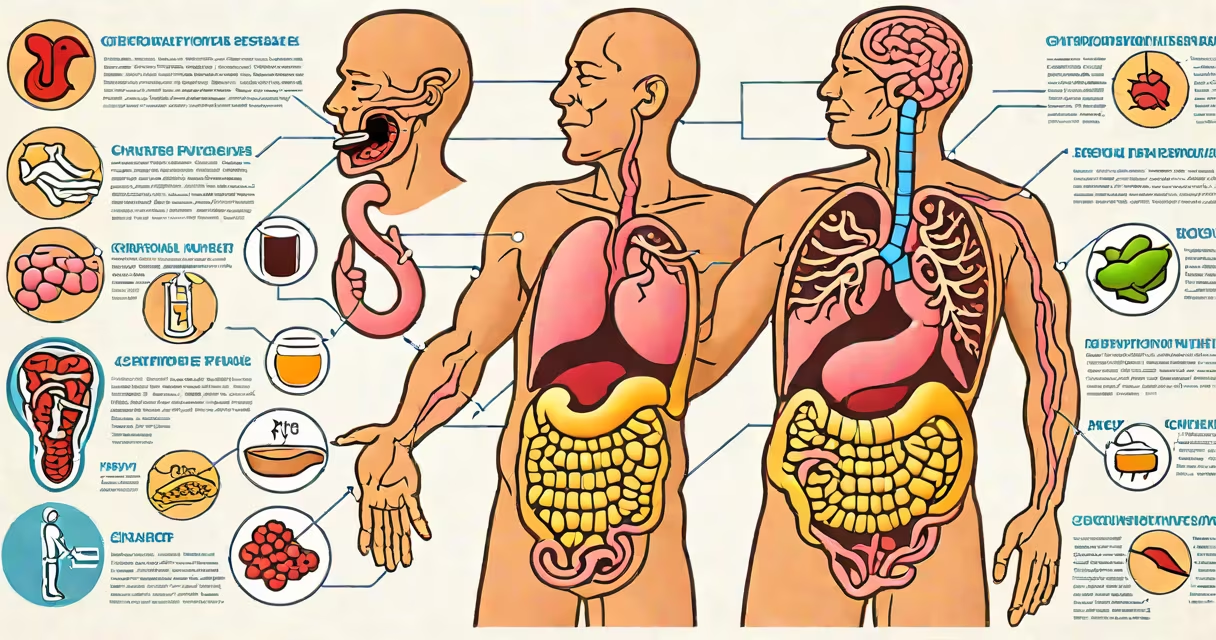
Gastrointestinal issues refer to conditions affecting the digestive tract, from the mouth to the anus, that disrupt normal digestion, absorption, or elimination. These include functional disorders like irritable bowel syndrome and structural diseases such as Crohn's disease, often causing abdominal pain, bloating, diarrhea, or constipation.
The digestive system processes food through mechanical and chemical breakdown, nutrient absorption in the small intestine, and waste elimination via the large intestine. When this process fails due to inflammation, motility problems, infections, or structural abnormalities, gastrointestinal issues arise. They affect over 60 million Americans annually, according to the American Gastroenterological Association.
These conditions vary widely in cause and presentation. Some stem from bacterial overgrowth, others from autoimmune responses or chronic stress. Diagnosis requires clinical evaluation, lab tests, imaging, or endoscopy. Early identification improves outcomes, especially for progressive diseases like ulcerative colitis.
Disruption begins when the balance of gut microbiota shifts, allowing harmful bacteria to dominate. This imbalance contributes to inflammation and impaired barrier function in the intestinal lining. A 2022 study in *Gut* found that patients with irritable bowel syndrome had lower levels of beneficial *Faecalibacterium prausnitzii* compared to healthy controls.
Neurological signaling between the brain and gut also plays a role. Stress activates the hypothalamic-pituitary-adrenal axis, increasing gut permeability and altering motility. This explains why anxiety often worsens symptoms in functional disorders like functional dyspepsia.
Chronic conditions may develop from repeated exposure to irritants. For example, long-term NSAID use damages the gastric mucosa, leading to peptic ulcers. Alcohol and high-fat diets further impair bile secretion and pancreatic enzyme release, reducing fat digestion efficiency.
Conditions fall into categories based on underlying mechanism:
| Type | Examples | Key Features |
|---|---|---|
| Functional Disorders | Irritable Bowel Syndrome (IBS), Functional Dyspepsia | No visible structural damage; symptoms driven by altered gut-brain interaction |
| Inflammatory Diseases | Crohn's Disease, Ulcerative Colitis | Chronic immune-mediated inflammation; may require immunosuppressants |
| Infectious Conditions | Salmonella, Giardia, Clostridioides difficile | Acute onset; often resolve with antibiotics or supportive care |
| Structural Abnormalities | Peptic Ulcers, Diverticulosis, Celiac Disease | Visible lesions or malabsorption; require targeted treatment |
IBS affects approximately 11% of the global population, per WHO data. It presents with alternating diarrhea and constipation, bloating, and cramping-symptoms that persist for at least six months. Unlike inflammatory bowel disease, IBS lacks objective markers such as elevated CRP or fecal calprotectin.
Celiac disease is an autoimmune reaction triggered by gluten. Even small amounts cause villous atrophy in the small intestine, leading to malnutrition. A 2021 study in *The Lancet Gastroenterology & Hepatology* reported that 1 in 133 people in the U.S. have celiac disease, yet 97% remain undiagnosed.
Most gastrointestinal issues originate in the upper GI tract (esophagus, stomach, duodenum) or lower GI tract (colon, rectum). Risk factors include diet, medication use, genetics, and mental health status.
High intake of processed foods correlates with increased incidence of colorectal cancer. The American Cancer Society reports that 95% of cases occur in individuals over 50, with risk rising sharply after age 65. Regular screening reduces mortality by 60%.
Antibiotic use disrupts gut flora, increasing susceptibility to *Clostridioides difficile* infection. This bacterium produces toxins that damage colonic epithelium, causing pseudomembranous colitis. Recurrence rates exceed 20% after initial treatment, requiring fecal microbiota transplantation in refractory cases.
Many assume heartburn equals acid reflux, but true gastroesophageal reflux disease (GERD) involves persistent esophageal irritation. According to the National Institute of Diabetes and Digestive and Kidney Diseases, GERD occurs when the lower esophageal sphincter fails to close properly, allowing gastric contents to regurgitate.
Another misconception is that all abdominal pain stems from the digestive system. Referred pain from cardiac or renal sources can mimic gastrointestinal symptoms. For example, a myocardial infarction may present with epigastric discomfort and nausea-symptoms often misattributed to indigestion.
Some patients believe that eliminating all fats will improve digestive health. However, fat is essential for absorbing fat-soluble vitamins (A, D, E, K) and forming cell membranes. Total fat restriction leads to deficiencies, particularly in those with pancreatic insufficiency.
A 42-year-old woman presented with six months of loose stools, weight loss, and fatigue. Initial blood work showed low iron and vitamin B12 levels. Stool tests ruled out *Giardia* and *Clostridioides difficile*. Colonoscopy revealed patchy erythema and aphthous ulcers in the terminal ileum.
Biopsy confirmed granulomas and transmural inflammation-hallmarks of Crohn's disease. She was started on azathioprine and biologic therapy targeting TNF-alpha. After 12 weeks, her symptoms improved, and follow-up colonoscopy showed mucosal healing.
This case illustrates that gastrointestinal issues require systematic evaluation. Symptoms alone cannot distinguish between IBS, celiac disease, or inflammatory bowel disease. Endoscopic and histological confirmation is necessary for accurate diagnosis.
During a clinic visit, I observed a patient with suspected IBS who had normal labs and imaging. After a 2-week elimination diet excluding FODMAPs (fermentable oligosaccharides, disaccharides, monosaccharides, and polyols), his bloating decreased by 70%. This confirms that dietary triggers play a major role in symptom expression.
When symptoms persist or worsen, consulting a gastroenterologist is critical. Delayed diagnosis increases risk of complications such as strictures, fistulas, or colorectal cancer. Early intervention improves quality of life and reduces healthcare burden.
Understanding what are some gastrointestinal issues helps identify red flags early. Persistent changes in bowel habits, unexplained weight loss, or rectal bleeding require prompt medical attention. Not all digestive discomfort is temporary-some indicate serious underlying pathology.