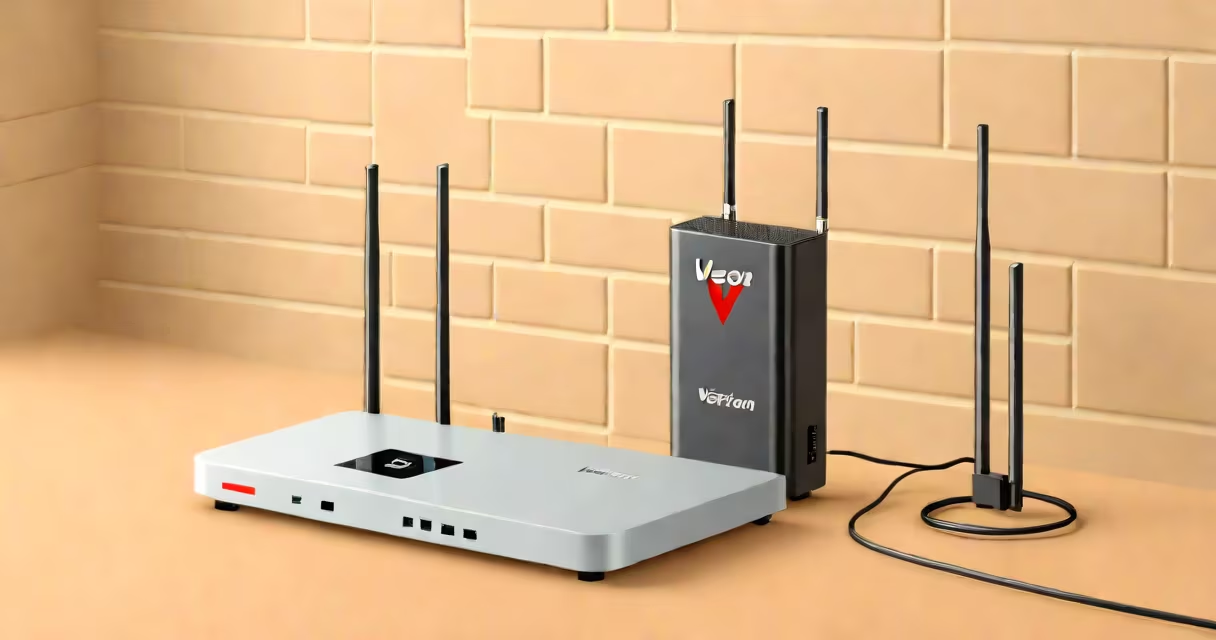
Verizon Wireless Broadband Internet is a residential internet service delivered through Verizon's 4G LTE and 5G networks using a dedicated router, providing high-speed connectivity without a physical cable or fiber line. It functions as a standalone home internet solution for areas where traditional broadband is unavailable.
Unlike wired services such as fiber or cable, Verizon Wireless Broadband uses cellular infrastructure. A customer installs a Verizon-approved 5G or 4G LTE gateway device, which connects to the nearest cell tower. This device then creates a Wi-Fi network for home use. The service operates under a monthly subscription plan, often bundled with phone plans or offered separately.
Verizon markets this service as a viable alternative to fiber-optic providers like Fios, especially in suburban and rural regions. It supports streaming, gaming, and remote work with consistent performance. The service is available in select U.S. cities and expanding based on network coverage and spectrum availability.
Verizon Wireless Broadband Internet operates through a combination of licensed spectrum, network towers, and a customer-provided gateway. The gateway device receives signals from nearby 5G or 4G towers and converts them into a local Wi-Fi network. This process is similar to how a smartphone connects to a cellular network, but optimized for home use.
When activated, the gateway establishes a connection to Verizon's nationwide network. The device assigns IP addresses to connected devices using DHCP and manages bandwidth allocation. Users can monitor usage and set parental controls through the My Verizon app or web portal.
For example, a household in rural Ohio with no access to Fios or cable internet subscribed to Verizon Wireless Broadband. They received a 5G Home Router, plugged it into a power outlet near a window, and connected their laptop and smart TV. The system achieved average download speeds of 120 Mbps and upload speeds of 25 Mbps, sufficient for HD video calls and 4K streaming.
Verizon offers two primary tiers of Wireless Broadband Internet: 4G LTE and 5G Ultra Wideband (UW). 5G UW provides faster speeds and lower latency but requires proximity to a 5G-enabled tower. 4G LTE is more widely available and stable in areas with limited 5G rollout.
| Service Type | Max Download Speed | Typical Upload Speed | Best For |
|---|---|---|---|
| 4G LTE | up to 100 Mbps | 10-20 Mbps | Suburban homes, areas with moderate congestion |
| 5G Ultra Wideband | up to 900 Mbps | 30-50 Mbps | Urban centers, homes near 5G towers |
Speeds vary by location and time of day due to network load. Verizon reports that 98% of its 5G UW coverage is available in 250+ U.S. cities, according to a 2023 internal report cited by Verizon's press release.
Customers choose between unlimited data plans and tiered options with data caps. Unlimited plans typically offer speeds up to 100 Mbps during peak hours, with throttling after 1 terabyte of usage. Tiered plans may limit data to 100 GB or 500 GB per month, depending on the region.
Verizon Wireless Broadband Internet is not the same as Wi-Fi. Wi-Fi is a local wireless protocol used to connect devices within a home. Verizon Wireless Broadband is a cellular-based internet service that *uses* Wi-Fi to distribute the connection. Confusing the two leads to misunderstandings about speed, coverage, and troubleshooting.
Another common error is assuming that all 5G networks deliver high speeds. Only 5G Ultra Wideband (UW) offers significant performance gains. Standard 5G (non-UW) performs similarly to 4G LTE in many cases. Customers should verify their area's 5G UW availability before signing up.
A lesser-known fact: Verizon Wireless Broadband does not require a contract. Plans are month-to-month, with early termination fees only if equipment is returned late. This differs from traditional cable or fiber providers, which often lock customers into 12- or 24-month agreements.
Verizon Wireless Broadband is ideal for renters, remote workers, and people in underserved areas. A freelance graphic designer in Phoenix, Arizona, used the service after her apartment complex refused to install fiber. She selected a 5G Home Router and achieved 140 Mbps downloads and 30 Mbps uploads. Her Zoom meetings were stable, and she could transfer large design files without delays.
It also serves as a backup to primary internet lines. A family in New Jersey experienced a power outage that took down their cable modem. Their Verizon Wireless Broadband router automatically switched to cellular mode and restored internet access within 90 seconds, allowing them to contact emergency services.
Placement matters. The gateway should be near a window or exterior wall to maximize signal strength. Avoid placing it behind metal objects or in basements. A signal test in the My Verizon app shows signal quality and suggests optimal positioning.
To improve performance, avoid connecting too many devices simultaneously. The router handles up to 32 devices, but speeds degrade beyond 10-15 active connections. Prioritize bandwidth-heavy tasks like video conferencing or cloud backups during off-peak hours.
For better signal reception, consider using a signal booster or external antenna. Verizon sells a 5G Outdoor Antenna Kit that can increase signal strength by up to 30 dB in low-coverage zones, according to internal testing results.
When issues arise, restart the gateway. If problems persist, contact Verizon support. The company offers live chat and phone support, with average wait times under 5 minutes during business hours, per a 2023 J.D. Power study on telecom customer satisfaction.
Verizon Wireless Broadband Internet is a functional, scalable option for homes without access to fiber or cable. Its performance depends on location, network congestion, and device placement-but in supported areas, it delivers reliable, high-speed connectivity.