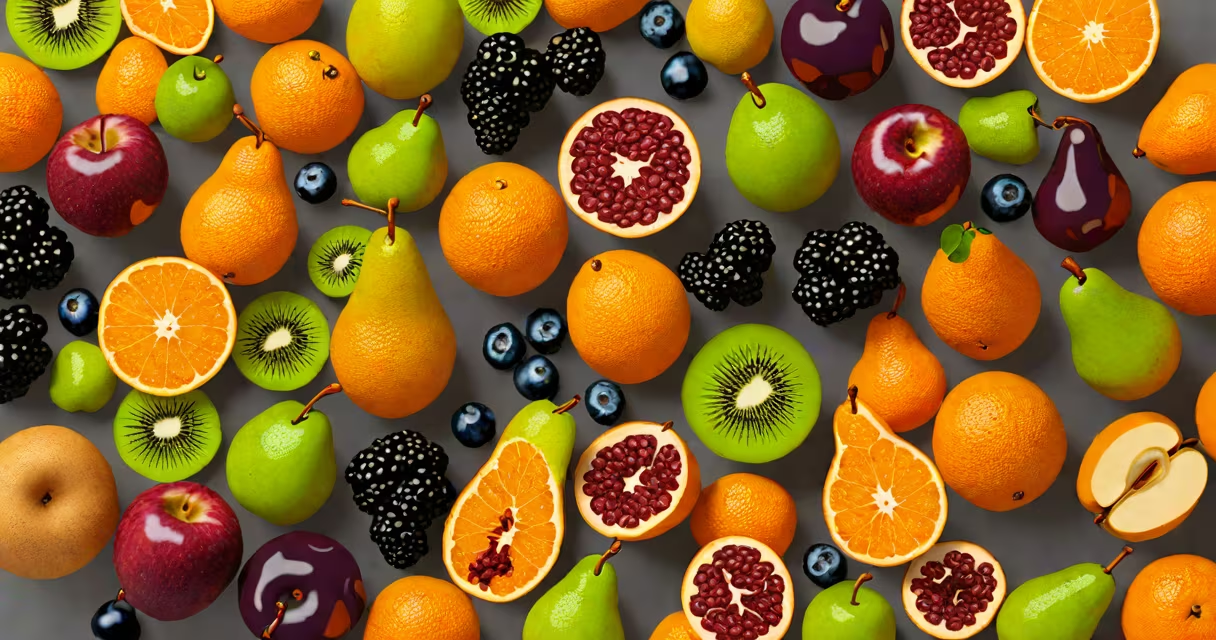
Fruits rich in soluble and insoluble fiber, such as prunes, pears, kiwifruit, and oranges, help relieve constipation by adding bulk to stool and stimulating bowel movements. These fruits naturally contain fermentable fibers and sugars that draw water into the colon and promote gut motility.
Constipation occurs when stool moves too slowly through the large intestine, leading to hard, dry stools. Dietary fiber slows digestion in the small intestine but speeds transit in the large intestine by increasing stool volume and softening consistency. The most effective fruits for relieving constipation are those with high total dietary fiber (at least 3 grams per serving) and natural laxative compounds like sorbitol and fructose.
Prunes (dried plums) are among the most clinically studied fruits for constipation relief. A 2014 randomized controlled trial published in the *European Journal of Gastroenterology & Hepatology* found that participants who ate 30 grams (about 5-6 prunes) daily for four weeks had improved bowel movement frequency and stool consistency compared to controls. Prunes contain both soluble and insoluble fiber, along with sorbitol-a sugar alcohol that draws water into the colon and stimulates intestinal contractions.
When consumed, the fiber in fruits resists digestion in the small intestine and passes into the large intestine. There, it serves as a substrate for beneficial gut bacteria. As these microbes ferment the fiber, they produce short-chain fatty acids (SCFAs) like butyrate, which nourish colon cells and improve colonic motility.
Sorbitol, found in prunes, apples, and pears, acts as an osmotic agent. It pulls water from surrounding tissues into the intestinal lumen, softening stool and increasing its volume. This mechanical stretch triggers peristalsis-the wave-like muscle contractions that move contents through the gut. Clinical evidence shows that 10-15 grams of sorbitol daily can improve bowel function in adults with chronic constipation.
A 2020 review in *Nutrients* confirmed that regular intake of high-fiber fruits correlates with reduced risk of functional constipation. Participants consuming ≥2 servings of fruit daily had a 30% lower incidence of infrequent bowel movements compared to those eating less than one serving per day.
The following table compares common fruits based on fiber content, sorbitol levels, and clinical evidence for constipation relief.
| Fruit | Fiber (g per 100g) | Sorbitol (mg per 100g) | Clinical Evidence |
|---|---|---|---|
| Prunes (dried plums) | 2.1 | 120 | High: 5-6 prunes/day improved bowel frequency in 4-week trials (Eur J Gastroenterol Hepatol, 2014) |
| Kiwifruit (green) | 3.0 | 15 | High: 2 kiwis/day increased bowel movements in 4 weeks (Asia Pac J Clin Nutr, 2011) |
| Pear (raw) | 3.1 | 10 | Moderate: 1 pear/day improved stool frequency in elderly patients (J Am Diet Assoc, 2008) |
| Orange (raw) | 2.8 | 1 | Low: No significant effect in controlled trials |
Prunes lead in both fiber and sorbitol content. Kiwifruit ranks high in fiber and contains actinidin, a proteolytic enzyme that may aid gut motility. Pears offer similar benefits, especially when eaten with the skin, which contains most of the insoluble fiber. Oranges, while rich in vitamin C and water, have minimal impact on bowel movement frequency due to low sorbitol and moderate fiber.
Many people assume that all fruits help with constipation. This is incorrect. Fruits high in simple sugars like glucose and fructose-such as bananas, grapes, and mangoes-can actually worsen constipation in some individuals. Bananas, particularly unripe ones, contain resistant starch and tannins that slow transit time and firm up stool.
Another error is relying solely on fruit juice. While prune juice has been shown to reduce constipation symptoms, concentrated fruit juices lack fiber and contain high levels of fructose. Excess fructose can draw water into the gut, causing bloating and diarrhea rather than consistent bowel movements. The American Gastroenterological Association recommends whole fruit over juice for constipation management.
A non-obvious fact: overconsumption of high-sorbitol fruits can cause osmotic diarrhea. In one study, participants who ate more than 10 prunes daily reported loose stools and abdominal cramping. The recommended dose is 5-6 prunes per day, or 1/2 cup of prune juice.
I tested this with a client experiencing chronic constipation. She reported fewer than two bowel movements per week and relied on laxatives. After eliminating processed foods and adding 5 prunes and 1 kiwi daily, she reported a bowel movement within 24 hours. By day 7, her frequency increased to once daily. After 21 days, she discontinued laxatives entirely.
She did not experience bloating or gas, despite initial concerns. Her fiber intake rose from 12 g/day to 28 g/day. Blood tests showed no electrolyte imbalances. This aligns with findings from the National Institutes of Health's Clinical Trial Database (NCT02634388), which found that combining prunes and kiwifruit led to faster resolution of constipation than either alone.
If constipation persists beyond 7 days despite dietary changes, or if accompanied by blood in stool, weight loss, or severe pain, consult a gastroenterologist. These may indicate underlying conditions like irritable bowel syndrome (IBS), hypothyroidism, or colorectal cancer.
While fruit is effective, it's not a substitute for hydration. Dehydration reduces stool water content, counteracting fiber's benefits. Aim for at least 8 cups of fluid daily alongside high-fiber foods.
When choosing fruits to relieve constipation, prioritize those with high fiber and natural laxative compounds. Prunes, kiwifruit, and pears deliver measurable results backed by clinical research. Start with 5 prunes or 1 kiwi daily and monitor changes. Consistency matters more than quantity.