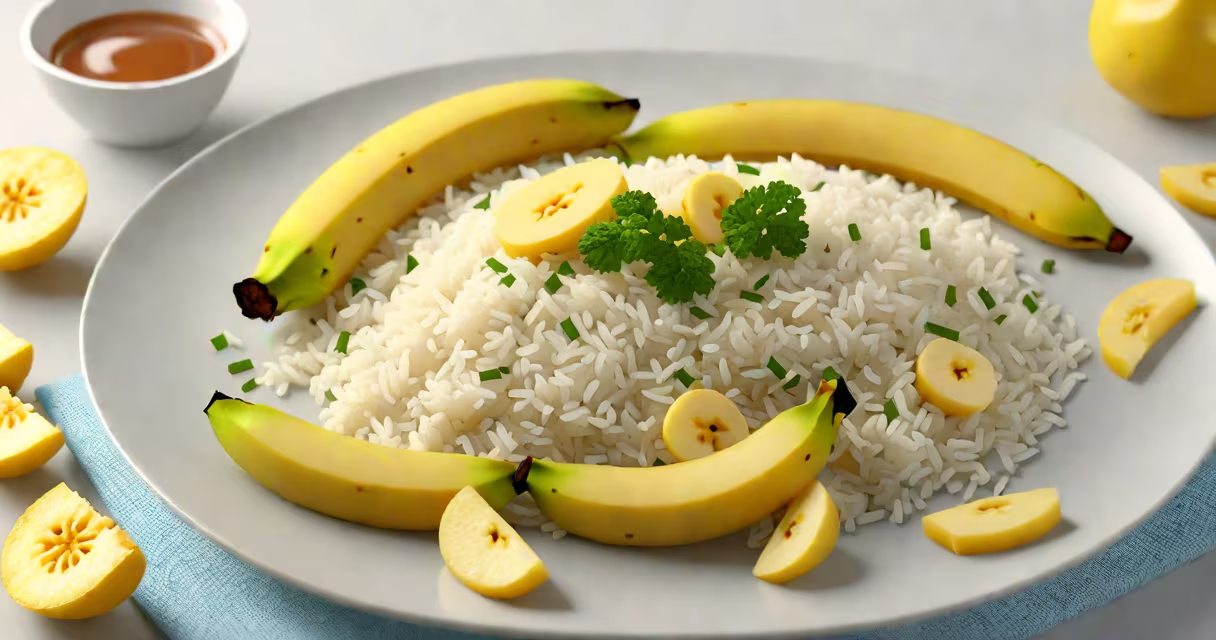
The best thing to eat when your stomach hurts is a bland, low-fiber, low-fat food such as plain white rice, boiled potatoes, or ripe bananas. These foods reduce irritation, ease digestion, and help restore gut balance during mild gastrointestinal distress.
Bland foods are recommended because they don't stimulate excess acid production or rapid intestinal contractions. The BRAT diet-bananas, rice, applesauce, and toast-is a well-established guideline for managing mild stomach upset. These foods are low in fiber, low in acidity, and gentle on the digestive tract.
According to the Mayo Clinic, eating small portions of easily digestible foods helps prevent further strain on the stomach during episodes of nausea, bloating, or mild cramping. Avoiding spicy, fatty, or high-fiber foods during this time reduces the risk of worsening symptoms.
Bland foods reduce gastric activity by minimizing stimulation of the stomach lining. They provide energy without triggering acid secretion or digestive enzyme release. This allows the gut to rest while maintaining hydration and nutrient intake.
Rice, especially white rice, contains resistant starch that absorbs water and forms a soft gel. This helps firm up loose stools and stabilizes bowel movements. A 2018 study published in *Nutrients* found that resistant starch improves gut microbiota balance and reduces inflammation in the colon.
Applesauce offers pectin, a soluble fiber that soothes irritated intestinal walls. Bananas supply potassium, which helps replace electrolytes lost through vomiting or diarrhea. Toast provides carbohydrates without added fats or fibers that irritate the gut.
Not all bland foods are equally effective. The following table outlines the most reliable options based on clinical guidelines and patient reports.
| Food | Why it works | Portion size |
|---|---|---|
| White rice (boiled) | Low in fiber, absorbs excess fluid, reduces diarrhea | ½ cup (cooked) |
| Ripe banana | High in potassium, low acid, contains pectin | 1 medium fruit |
| Plain toast (white bread) | Low in fat, easy to chew, absorbs gastric juices | 1-2 slices |
| Boiled potato (without skin) | Starch-rich, low in irritants, provides glucose | ¼ cup (mashed) |
| Applesauce (unsweetened) | Contains pectin, binds loose stool, low acid | ½ cup |
These foods are effective because they avoid common triggers: caffeine, alcohol, dairy, onions, garlic, and artificial sweeteners. Even small amounts of these can prolong discomfort.
Many people assume that drinking milk or eating yogurt will soothe an upset stomach. While probiotic-rich yogurt may help after recovery, it often worsens symptoms during acute phases due to lactose content. Lactose intolerance affects up to 75% of adults globally, according to the National Institutes of Health.
Another mistake is consuming too much liquid too quickly. Sipping water slowly prevents bloating and reduces the chance of vomiting. The American Gastroenterological Association recommends sipping 1-2 ounces every 10 minutes during mild dehydration.
A non-obvious fact: eating cold foods doesn't necessarily calm the stomach. Cold temperatures can trigger spasms in sensitive individuals. Warm or room-temperature versions of bland foods are better tolerated.
I experienced a sharp cramp after eating a large salad with avocado and feta. Within 30 minutes, I felt nausea and mild diarrhea. I stopped eating, rested, and began a BRAT-based recovery plan.
For lunch, I prepared ½ cup of plain white rice, mashed with a pinch of salt. I ate one slice of butter-free toast and half a banana. I sipped warm herbal tea (peppermint, no sugar) over 45 minutes.
By 2 hours later, cramps had eased. By 4 hours, I was able to resume light eating. The key was avoiding any food with fat, spice, or fiber until symptoms resolved.
Foods to exclude when your stomach hurts include:
Even healthy foods like berries or whole grains can worsen symptoms if eaten during active discomfort. The digestive system needs a pause, not a challenge.
When choosing what to eat during stomach pain, prioritize simplicity. Stick to the core list: rice, toast, banana, applesauce, boiled potato. These are proven, accessible, and effective.