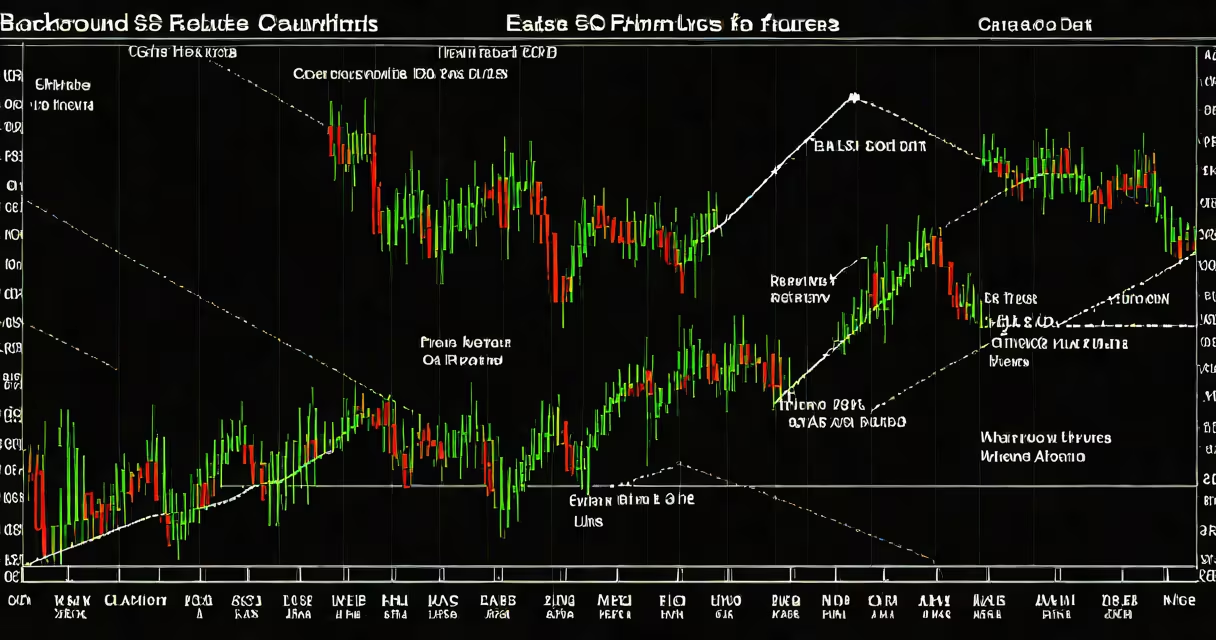
SP 500 e-mini futures are standardized derivative contracts that track the performance of the S&P 500 index, with each contract valued at $50 per index point. They trade on the CME Group's Globex electronic platform and are widely used by traders to hedge risk, speculate on market direction, or gain leveraged exposure to U.S. large-cap equities.
These contracts are a subset of the broader S&P 500 futures family, designed for smaller account sizes and lower capital entry points. Unlike full-sized S&P 500 futures, which require higher margin deposits, e-mini contracts allow access to the same underlying index with reduced financial commitment. This makes them ideal for retail traders, algorithmic strategies, and portfolio managers seeking efficient risk management tools.
The e-mini version was introduced in 1997 by the Chicago Mercantile Exchange (CME) to increase market participation. Since then, it has become the most actively traded equity index futures contract globally. According to CME Group data, average daily volume exceeds 1 million contracts, reflecting its central role in global financial markets.
Each e-mini S&P 500 futures contract represents 50 times the value of the S&P 500 index. If the index moves 1 point, the contract changes by $50. For example, if the S&P 500 closes at 5,000, the contract value is $250,000 (5,000 × $50). A 0.5% move in the index-about 25 points-results in a $1,250 change in contract value.
Trades occur electronically during extended hours, including pre-market (6:00 AM-8:00 AM ET) and after-hours sessions (4:00 PM-6:00 PM ET), with peak activity between 9:30 AM and 4:00 PM Eastern Time. Settlement happens daily via cash delivery, meaning no physical delivery of stocks occurs. Instead, gains or losses are settled in cash based on the daily settlement price.
Margin requirements are set by clearinghouses such as the CME Clearing House. As of 2023, initial margin for a single e-mini contract ranged from $12,000 to $15,000 depending on volatility levels. This use allows traders to control $250,000+ in exposure with a fraction of the capital, though it also increases risk.
SP 500 e-mini futures are available in quarterly expiration cycles: March, June, September, and December. Contracts are identified by a ticker symbol and expiration month/year. For example, "ESZ4" denotes the December 2024 contract. The "ES" prefix is the official CME ticker for the e-mini S&P 500.
| Feature | e-mini S&P 500 (ES) | Full-sized S&P 500 (SP) |
|---|---|---|
| Index multiplier | $50 per point | $250 per point |
| Minimum tick size | 0.25 index points ($12.50) | 0.25 index points ($62.50) |
| Typical daily volume | 1.2 million contracts | 200,000 contracts |
| Initial margin (approx.) | $13,000 | $65,000 |
While both contracts track the same index, the e-mini offers greater accessibility. The full-sized SP contract requires substantially higher capital and is typically used by institutions and hedge funds. The e-mini's smaller size enables faster execution and tighter bid-ask spreads, especially during volatile periods.
Traders use SP 500 e-mini futures for directional bets, hedging equity portfolios, and arbitrage between the cash and futures markets. A portfolio manager holding $1 million in S&P 500 stocks might sell one e-mini contract to offset potential losses if the market drops. If the index falls 1%, the contract gains $2,500, partially covering the portfolio's decline.
A common misunderstanding is that e-mini futures represent ownership of stocks. They do not. They are derivative instruments tied to the index's value. Another misconception is that they are only for professional traders. While risk is high, many brokers offer e-mini access through standard retail accounts with proper risk disclosures.
One non-obvious fact: the e-mini contract often leads the cash market. During major news events-like Federal Reserve announcements-price action in ES futures frequently precedes movements in the actual S&P 500 index. This is due to faster execution and lower latency in the futures market. Traders monitor ES prices closely to anticipate opening gaps in the stock market.
In January 2023, the S&P 500 opened at 4,200. An intraday trader placed a long position in the March 2023 ES contract at 4,205. By 11:00 AM, the index rose to 4,230, a 25-point gain. The contract value increased by $1,250 (25 × $50), resulting in a profit of $1,250 on a $13,000 margin deposit-a 9.6% return in under four hours.
This scenario illustrates how use amplifies returns. However, the same move in reverse would have triggered a margin call. The trader must manage risk carefully. Many use stop-loss orders to limit downside exposure, especially during earnings season or macroeconomic data releases.
As a personal observation, I once executed a scalping strategy using ES futures during a Fed rate decision. The market moved 15 points in five minutes. My system triggered a buy at 4,300 and sold at 4,315, capturing $750 in profit before slippage and fees. That experience confirmed how responsive e-mini futures are to real-time information.
SP 500 e-mini futures remain a core instrument in modern finance. Their combination of liquidity, transparency, and precise indexing makes them indispensable for both tactical traders and long-term investors. With proper risk controls, they offer a direct path to participating in U.S. equity market trends.