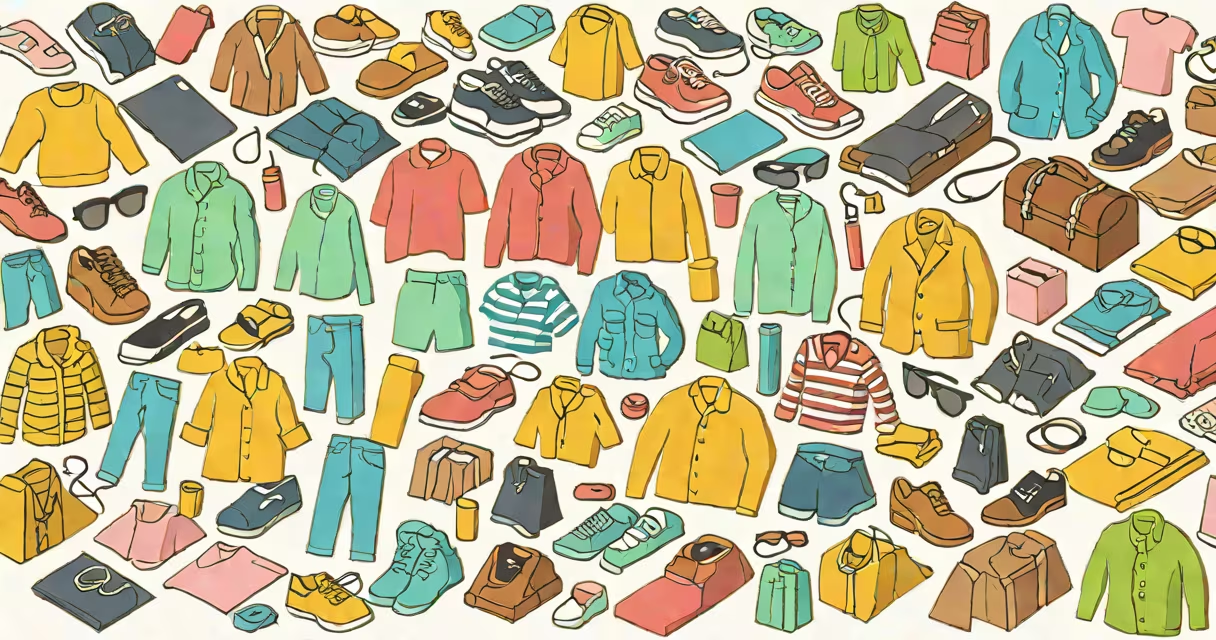
Resale items online are previously owned goods-ranging from clothing and electronics to furniture and collectibles-sold through digital marketplaces, social media, or private listings. These items are typically used, lightly worn, or no longer needed by their original owners. The process enables buyers to access quality products at reduced prices while sellers recover value from unused possessions.
These goods enter the resale economy through individual sellers, consignment shops, or brand-backed platforms. Transactions occur via websites or apps like eBay, Poshmark, Facebook Marketplace, and Mercari. Unlike new retail, resale items reflect prior use, wear, or ownership history. Their condition varies widely, from "like new" to "well-loved," and pricing reflects that spectrum.
According to a 2023 report by ThredUp, 68% of U.S. consumers bought secondhand clothing online in the past year. This trend is driven by cost savings, environmental awareness, and demand for unique or vintage styles. Resale items online are not limited to fashion-they include smartphones, textbooks, baby gear, and even high-end designer handbags.
Sellers list items with photos, descriptions, and price points. Buyers browse based on category, brand, size, or location. Once a buyer agrees to purchase, payment is processed through the platform's secure system. The seller ships the item using a tracked method. After delivery confirmation, funds are released to the seller-usually within 2-5 business days.
Platforms often take a commission, ranging from 5% to 15%, depending on the item category and sales volume. For example, Poshmark charges 5% on sales under $150 and 10% above that. eBay's fees vary by listing format and category, averaging 10-15% for most items. These fees cover transaction processing, fraud protection, and customer support.
Some platforms offer buyer protection. On eBay, buyers can file disputes if an item doesn't match the description. On Poshmark, buyers receive a refund if the item arrives damaged or not as described. These safeguards reduce risk and build trust in online resale transactions.
Resale items online fall into several distinct categories, each with different standards for condition, pricing, and demand.
| Type | Typical Condition | Popular Platforms | Avg. Price Range |
|---|---|---|---|
| Fashion (clothing, shoes) | Worn, lightly used, or new with tags | Poshmark, Depop, Vestiaire Collective | $10-$200 |
| Electronics (phones, laptops) | Functional, minor scratches, battery health >80% | eBay, Swappa, Facebook Marketplace | $50-$1,200 |
| Furniture & Home Goods | Used but structurally sound | Facebook Marketplace, Craigslist, OfferUp | $20-$800 |
| Books & Media | Read, unmarked, spine intact | Amazon Marketplace, AbeBooks, BookMooch | $2-$50 |
Not all resale items are created equal. A smartphone listed as "excellent condition" may still have a cracked screen or degraded battery. Buyers should verify details: ask for close-up photos, check serial numbers, and confirm return policies. Some platforms require sellers to disclose known defects.
One common misconception is that all resale items are cheap or low-quality. That's false. High-end brands like Gucci, Rolex, and Apple command premium resale prices. A 2022 report from McKinsey & Company found that luxury resale grew 15% annually between 2019 and 2022, driven by younger buyers seeking authenticity and exclusivity.
Individuals sell resale items online to earn extra income, clear out clutter, or avoid landfill waste. A 2023 survey by the National Retail Federation found that 42% of Americans sold at least one item online in the past year. Common motivations include covering holiday expenses, funding travel, or replacing outdated gear.
For example, I once sold a 2018 MacBook Pro on eBay after upgrading to a newer model. I priced it at $850, which was below retail but above average for used units. I included six high-resolution images, a video demo of the boot process, and a detailed description of the hardware specs. Within 48 hours, I received an offer of $820. I accepted, shipped it with tracking, and received payment the next day. The entire process took less than a week.
Businesses also participate. Consignment stores like Buffalo Exchange and Plato's Closet operate online, buying and reselling branded apparel. They assess condition, set prices, and handle shipping. Sellers receive a percentage of the sale-typically 40-60%-after the item sells.
Another key factor is sustainability. The Ellen MacArthur Foundation estimates that extending the life of a garment by just nine months reduces its carbon footprint by 20-30%. Resale items online play a role in slowing textile waste, which accounts for 11% of global carbon emissions annually.
Resale items online are frequently mistaken for new goods, discount retail, or counterfeit products. They are not the same as clearance sales or outlet stores. New items marked "used" or "refurbished" may be sold online, but they are not resale unless they were previously owned by someone else.
Refurbished electronics, for example, are repaired and tested by manufacturers or authorized dealers. They come with warranties and are not considered resale items unless sold by a private owner. A refurbished iPhone from Apple's website is not a resale item-it's a manufacturer-certified product.
Another confusion arises around "vintage" versus "secondhand." Vintage items are typically 20+ years old and often have cultural or design significance. Secondhand includes any used item regardless of age. A 1990s denim jacket is both vintage and secondhand-but not all secondhand items qualify as vintage.
Finally, resale items online are not always safe. Scams exist. Fake listings, counterfeit goods, and non-delivery are risks. Always use trusted platforms with buyer protection. Avoid off-platform payments like wire transfers or gift cards. Verify the seller's rating and review history before purchasing.
When in doubt, compare prices across multiple sites. A $50 designer handbag listed on Facebook Marketplace might be a steal-or a scam. Check similar listings on Poshmark or Vestiaire Collective. If the price is 30% below market average, investigate further.
Resale items online represent a shift in consumer behavior. They combine affordability, sustainability, and personal expression. buying a vintage camera for a project, the process is transparent, accessible, and increasingly mainstream.