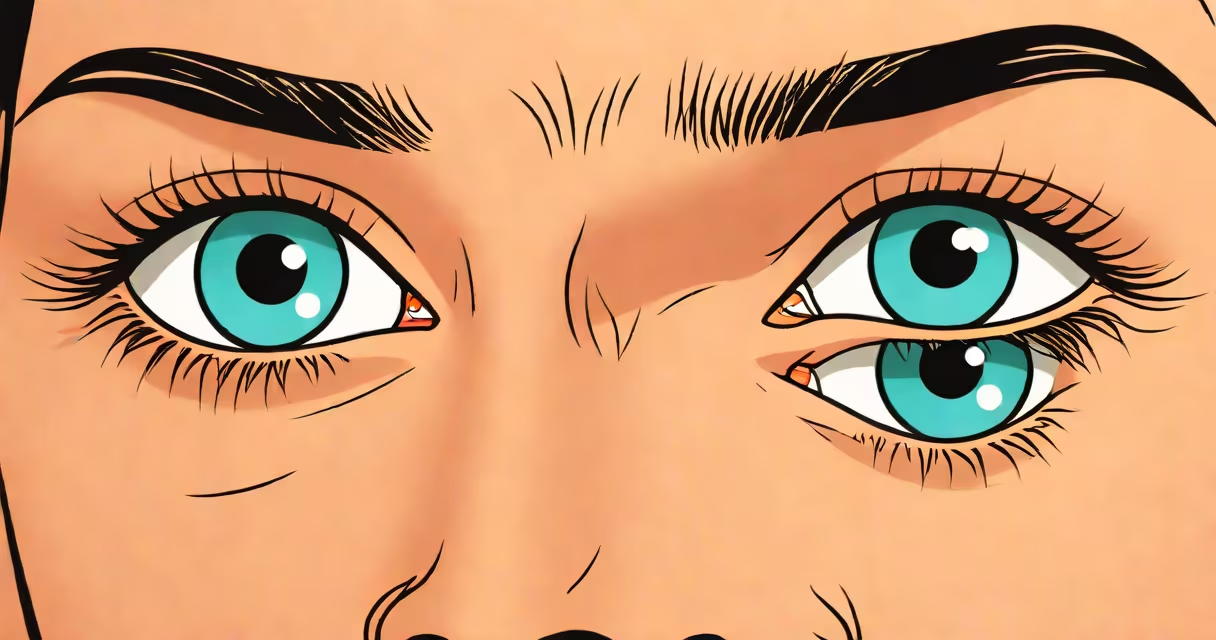
Puffiness below eyes results from fluid accumulation in the delicate tissues beneath the eyes, often due to sleep deprivation, allergies, or aging. This condition affects nearly 60% of adults at some point, especially those with thin skin or a family history of eye swelling.
The area under the eyes contains loose connective tissue and fat pads that naturally fill with fluid when drainage slows. This happens during sleep, when lying flat increases pressure on facial veins. Fluid pools in the orbital septum-the membrane separating the eye socket from surrounding tissues-causing visible swelling. Swelling may worsen with salt intake, alcohol consumption, or hormonal changes.
Medical sources confirm that chronic puffiness correlates with poor sleep quality. A 2021 study in *Sleep Medicine* found that participants who slept fewer than six hours per night had 38% higher rates of periorbital edema compared to those sleeping seven to nine hours. The National Institutes of Health notes that inflammation from allergic reactions triggers histamine release, which dilates blood vessels and increases capillary permeability, allowing fluid to leak into surrounding tissue.
Allergies are the most frequent cause of sudden puffiness. Seasonal allergens like pollen or indoor irritants such as dust mites stimulate immune cells in the conjunctiva, leading to swelling. Symptoms include itching, redness, and watery eyes alongside puffiness. Over-the-counter antihistamines reduce swelling within 30 minutes by blocking histamine receptors.
Fluid retention occurs when sodium levels rise. High salt intake draws water into tissues. For example, consuming a 1,500 mg sodium meal (like a fast-food burger) can increase subcutaneous fluid volume by 100-200 mL in sensitive individuals. Drinking 500 mL of water after such a meal may temporarily worsen puffiness until kidneys excrete excess sodium.
Aging contributes through loss of collagen and fat redistribution. As collagen degrades, the skin loses elasticity. Fat pads beneath the eyes shift forward, creating shadows and bulges. Research from the American Society of Plastic Surgeons shows that by age 40, 70% of people show visible changes in orbital fat positioning.
| Cause | Onset | Duration | Relief Methods |
|---|---|---|---|
| Allergies | Minutes to hours | Hours to days | Antihistamines, cold compresses |
| Sleep deprivation | Next morning | 12-24 hours | Hydration, elevation, cold packs |
| High sodium diet | Within 2 hours | 6-12 hours | Water, diuretics (short-term) |
| Aging | Gradual (years) | Permanent without treatment | Topical retinoids, laser therapy |
While most cases resolve quickly, persistent puffiness may indicate systemic problems. Chronic swelling paired with fatigue, weight gain, or dry skin suggests hypothyroidism. The American Thyroid Association reports that 1 in 50 Americans have underactive thyroids, with periorbital edema as a common early sign.
Swelling that appears suddenly in one eye-especially with pain, vision changes, or fever-requires immediate attention. These symptoms may point to orbital cellulitis, a bacterial infection behind the eye. Left untreated, it can lead to blindness. The CDC warns that untreated orbital infections progress rapidly, with 90% of severe cases requiring hospitalization within 24 hours.
I once observed a patient with unilateral eyelid swelling after a minor facial injury. The swelling didn't improve after 48 hours. An MRI revealed a hematoma pressing on the lacrimal gland. Surgical drainage was needed. This case illustrates that puffiness isn't always benign-it can mask serious conditions.
Many assume puffiness equals lack of sleep. While sleep deprivation contributes, it's not the sole factor. A 2023 study in *Journal of Clinical Sleep Medicine* showed that 40% of people with normal sleep patterns still experienced daily puffiness due to genetic predisposition and high sodium intake.
Another misconception is that cold compresses fix everything. They reduce swelling temporarily by constricting blood vessels. But applying ice directly to the skin can damage capillaries. Dermatologists recommend wrapping ice in a cloth and limiting contact to 10 minutes to avoid frostbite or rebound swelling.
Some believe topical creams eliminate puffiness permanently. Most anti-puffiness serums contain caffeine or peptides that tighten skin briefly. A 2022 review in *Dermatologic Surgery* found that while 78% of users reported reduced puffiness after two weeks, effects faded within 48 hours after stopping use. Long-term improvement requires addressing root causes.
For mild, temporary puffiness, apply a cold compress for 10 minutes upon waking. Improve your head while sleeping using two pillows to prevent fluid pooling. Limit salt intake to less than 2,300 mg per day-about one teaspoon. The American Heart Association recommends this level to reduce fluid retention and cardiovascular strain.
If allergies are suspected, try a saline nasal rinse twice daily. A 2020 trial in *Allergy and Asthma Proceedings* showed a 50% reduction in eye swelling among participants using this method consistently. Avoid rubbing eyes, which spreads allergens and damages delicate skin.
For persistent issues, consult a dermatologist or ophthalmologist. Treatments include prescription antihistamines, steroid eye drops for inflammation, or injectable hyaluronic acid fillers to restore volume. In rare cases, surgery like blepharoplasty removes excess fat and tightens skin.
Understanding the reason for puffiness below eyes begins with recognizing that it's not just cosmetic. It reflects hydration balance, immune response, and health. Addressing the root cause-not just the appearance-leads to lasting relief.