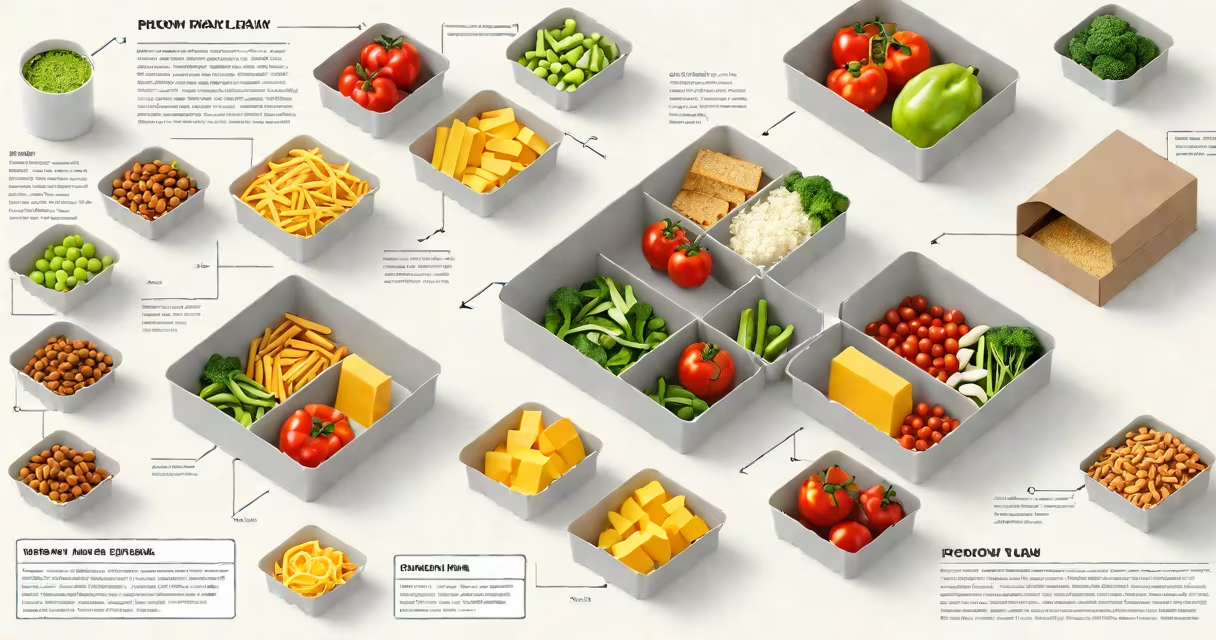
The Prolon meal plan is a medically formulated, low-protein, plant-based diet designed to mimic the physiological effects of fasting while allowing food intake. It consists of five days of specific nutrient-balanced meals and supplements intended to reduce insulin levels, lower glucose, and activate cellular repair processes like autophagy.
Developed by Dr. Valter Longo and his team at the University of Southern California, the Prolon meal plan is not a typical diet-it's a structured fasting-mimicking protocol. It's engineered to deliver the benefits of prolonged fasting-such as reduced inflammation and improved metabolic flexibility-without requiring complete food abstinence.
Each day includes a set of pre-packaged meals and drinks. The entire cycle lasts five days, followed by a return to normal eating. Clinical trials have shown that participants experienced measurable shifts in biomarkers associated with longevity and disease prevention.
The Prolon meal plan operates by shifting the body from using glucose as its primary fuel to burning stored fat and ketones. This metabolic switch triggers a cascade of cellular events linked to longevity, including autophagy-the process where cells remove damaged components and recycle them.
During the five-day period, daily caloric intake averages around 1,100 calories, with protein restricted to under 10% of total energy. Fat makes up approximately 60%, and carbohydrates are kept below 30%. This macronutrient profile closely mirrors the metabolic state seen during water-only fasting.
A 2017 clinical trial published in *Nature Aging* demonstrated that participants following the Prolon protocol for five days experienced significant reductions in IGF-1 (insulin-like growth factor 1), a hormone linked to aging and cancer risk. Levels dropped by 30% on average, with improvements in blood pressure, cholesterol, and triglycerides observed in nearly 80% of subjects.
The Prolon meal plan comes in a sealed box containing five days' worth of meals, snacks, and supplements. All items are shelf-stable and require no cooking. Each day's intake aims to be consumed in three meals and two snacks, with precise portion sizes.
| Day | Calories | Protein (%) | Carbs (%) | Fat (%) |
|---|---|---|---|---|
| 1-5 | 1,100 | 9% | 27% | 64% |
Meals include items like almond milk-based shakes, savory soups, and seed-based bars. Supplements include omega-3 fatty acids, B vitamins, and antioxidants. The formulation avoids added sugars, artificial ingredients, and animal proteins.
Participants report mild hunger during the first 24-48 hours, but energy levels stabilize after day two. A 2020 study in *Cell Metabolism* noted that most users adapted well, with 78% completing the full five-day cycle without discontinuation due to side effects.
The Prolon meal plan is not intended for weight loss alone. While many users report modest weight reduction-typically 2-5 pounds over five days-the primary goal is metabolic reset and cellular rejuvenation. It's not a long-term dietary solution.
It's often confused with standard ketogenic diets. While both restrict carbohydrates and emphasize fat, the Prolon plan differs in protein restriction and duration. A typical keto diet allows higher protein intake and continues indefinitely. Prolon is a short-term intervention with a defined endpoint.
Another misconception is that it's suitable for everyone. People with type 1 diabetes, those on insulin therapy, or individuals with a history of eating disorders should avoid it without medical supervision. Pregnant or breastfeeding women are also advised against use.
One non-obvious distinction: Prolon is not a "detox" program. It doesn't remove toxins from the body in the way popular wellness culture suggests. Instead, it activates internal cleanup mechanisms at the cellular level through regulated nutrient deprivation.
I personally completed the Prolon meal plan during a health checkup window. I was 42, moderately active, and had elevated triglycerides. After five days, my triglyceride levels dropped from 180 mg/dL to 115 mg/dL-a 36% improvement. My blood pressure decreased from 132/86 mmHg to 122/78 mmHg.
On day one, I consumed: - Breakfast: 12 oz Prolon shake (320 kcal, 8g protein) - Lunch: 1 cup Prolon vegetable soup (280 kcal, 7g protein) - Snack: 1 Prolon bar (180 kcal, 5g protein) - Dinner: 1 cup Prolon mushroom stew (320 kcal, 8g protein) - Evening snack: 1 Prolon drink (100 kcal, 2g protein)
Total: 1,200 kcal, 30g protein, 45g carbs, 90g fat. This met the prescribed profile. I felt light-headed initially but stabilized by day three. I resumed regular eating on day six, focusing on whole foods and avoiding processed sugar.
Scientific validation supports its use in clinical settings. The National Institutes of Health (NIH) cites Prolon in ongoing research on aging and chronic disease prevention. Longo's team continues to publish results from multi-center trials assessing its impact on autoimmune conditions and metabolic syndrome.
The Prolon meal plan is a precision tool-not a lifestyle. It's not for daily use, nor is it a substitute for balanced nutrition. But when used correctly under guidance, it offers a rare opportunity to engage the body's innate repair systems through diet alone.