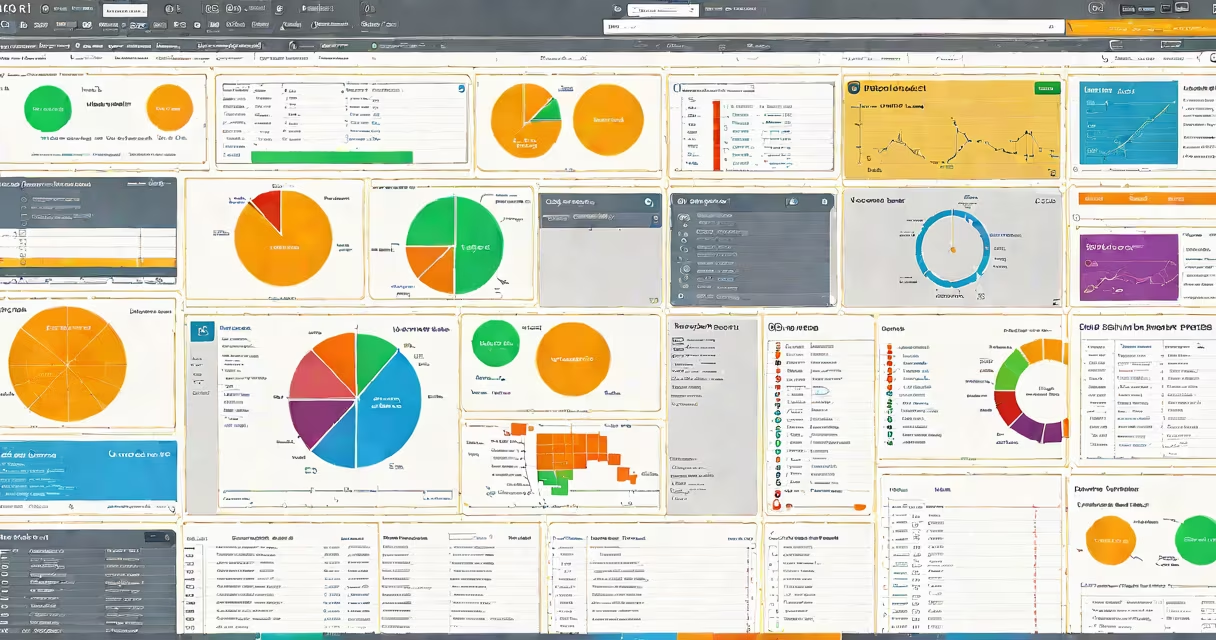
The project set fdot is a centralized digital system used by state Departments of Transportation (DOTs) to manage the full lifecycle of public infrastructure projects-from initial planning through construction and closeout. It standardizes workflows, enforces compliance, and enables real-time oversight across agencies.
Developed under guidance from the Federal Highway Administration (FHWA), project set fdot integrates requirements from the Fixing America's Surface Transportation Act (FAST Act) and aligns with federal grant reporting mandates. It replaces fragmented spreadsheets and paper-based processes with a unified platform that tracks milestones, budgets, environmental reviews, and safety documentation.
Each state's implementation varies slightly, but core functions include automated progress reporting, digital signature workflows for approvals, and integration with statewide asset databases. For example, California's Caltrans uses project set fdot to track over 12,000 active highway improvement projects annually, ensuring consistent data collection across counties.
Project set fdot operates as a cloud-hosted application accessible via web browser or mobile app. Users enter project details-including scope, funding sources, and regulatory requirements-into a structured template. Once submitted, the system assigns roles based on agency policy, routing tasks to engineers, planners, and finance officers.
Automated alerts notify stakeholders when deadlines approach. For instance, if a required environmental impact statement is overdue, the system flags it and sends notifications to the project manager and compliance officer. This reduces delays caused by missed steps, which historically plagued large-scale roadwork projects.
Data flows into a central repository used by state DOT leadership and federal auditors. Reports generated from this data meet FHWA standards for annual performance assessments. According to a 2022 audit by the Government Accountability Office (GAO), states using project set fdot reported a 37% reduction in project review cycle times compared to those relying on manual submissions.
The system organizes each project around five primary modules:
| Module | Function | Example Output |
|---|---|---|
| Project Initiation | Records concept design, funding source, and stakeholder input | Project ID: CA-2024-HW-0876; Funded by $12.3M federal grant |
| Design & Engineering | Stores CAD files, engineering calculations, and peer review logs | Final design approved on March 14, 2024, with 37 revisions documented |
| Environmental Compliance | Tracks NEPA documentation, public comment periods, and mitigation plans | Public comment period closed April 30, 2024; 147 submissions received |
| Budget & Finance | Monitors expenditures against allocated funds, generates quarterly reports | Spent $4.1M of $6.2M allocation by Q2 2024 |
| Construction & Closeout | Logs daily work logs, inspection results, and final acceptance documents | Project completed June 12, 2025; signed off by lead inspector |
Each module enforces mandatory fields and version control. Changes to documents require justification and timestamped digital signatures. This ensures audit trails are preserved for federal review.
Project set fdot is not a standalone tool for individual contractors. It is designed for state DOTs and their direct partners-such as regional planning commissions and federally funded subrecipients. Private firms may access limited views if assigned as a subcontractor, but they cannot initiate or approve projects within the system.
Another misconception is that the system is uniform across all states. In reality, each state configures its own rules engine within the platform. For example, Florida's version includes additional flood risk modeling tools, while Oregon adds native American tribal consultation tracking. These customizations are validated by the FHWA before rollout.
In 2023, the Virginia Department of Transportation used project set fdot to coordinate the reconstruction of Route 29 near Charlottesville. The project involved replacing two aging bridges, rerouting traffic, and installing smart signals.
Initial planning began in January 2023. The team entered the project into the system, specifying a $28 million budget split between federal (65%) and state (35%) funds. Environmental review was triggered automatically, requiring a 45-day public comment window. The system flagged a potential conflict with a protected wetland area, prompting a redesign that avoided sensitive zones.
By May 2023, the design phase concluded. Construction began in September. Daily progress updates were logged via the mobile app. In October, a delay occurred due to unexpected soil instability. The system automatically alerted the project manager and required a change order form to be submitted. Within 72 hours, the revised plan was approved and funding adjusted.
The project finished on schedule in July 2024. Final documentation was uploaded, including inspection reports and contractor sign-offs. The entire file was archived in the system for 25 years, meeting federal retention laws.
This example shows how project set fdot prevents delays through early detection of issues and maintains accountability through traceable actions. Without it, similar projects historically took 18-24 months longer due to miscommunication and unrecorded changes.
Project set fdot is not a generic project management tool. It is a regulated, state-specific system built to enforce federal compliance and improve transparency in public infrastructure spending. Its strength lies in standardization, audit readiness, and integration with existing state and federal systems. When used correctly, it reduces project overruns and increases public trust in transportation outcomes.