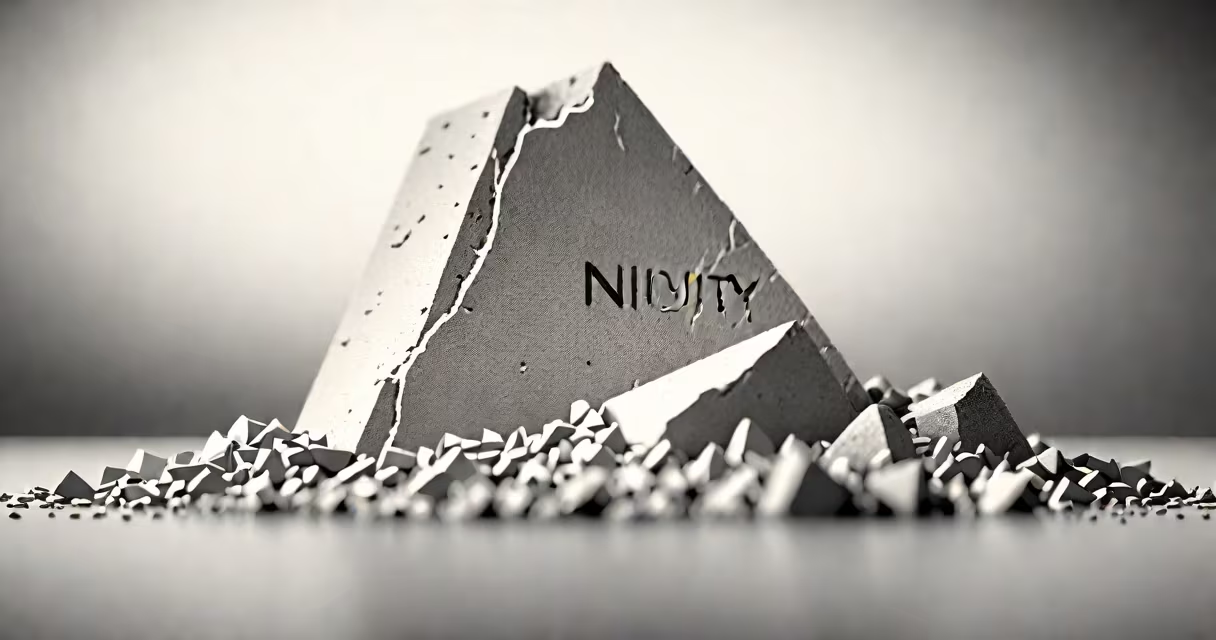
Iniquity refers to serious moral or ethical wrongdoing, especially acts that violate justice, fairness, or divine law. It describes behavior that is deeply unjust, corrupt, or sinful, often implying systemic or intentional harm rather than minor lapses.
The term originates in ancient religious texts, particularly the King James Version of the Bible, where it appears over 100 times. In modern usage, iniquity denotes actions that breach ethical standards, especially when they involve power imbalances, exploitation, or deliberate harm. It is not synonymous with simple mistakes or minor faults-it implies a deeper level of moral failure.
For example, corporate fraud that defrauds thousands of investors, government officials accepting bribes to pass harmful legislation, or historical practices like slavery are all cited as iniquities because they reflect institutionalized injustice. These are not isolated errors-they are patterns of wrongdoing that distort fairness and exploit the vulnerable.
Iniquity functions as a descriptor of actions that go beyond personal failings to affect communities or systems. It emphasizes intent, impact, and structural imbalance. Unlike a single act of dishonesty, iniquity suggests a consistent pattern of violating principles that uphold equity and integrity.
When a company knowingly sells unsafe products while suppressing internal reports, that's iniquity-not just negligence. When a leader uses their authority to silence dissent or manipulate public opinion, that's iniquity. The weight lies not just in the action itself but in the abuse of position and the lasting damage done.
According to the Oxford English Dictionary, iniquity is "an act or instance of gross injustice or wickedness." This definition underscores that it's not about occasional missteps but about persistent, severe violations of ethical norms. The term carries legal, theological, and philosophical weight, making it distinct from milder terms like "sin" or "error."
Iniquity manifests in several identifiable forms, each reflecting different dimensions of moral failure. The following table outlines common categories with real-world examples:
| Type | Description | Real-World Example |
|---|---|---|
| Systemic Iniquity | Widespread injustice embedded in institutions | Redlining in U.S. housing policy (1930s-1960s) |
| Corrupt Power Abuse | Using authority to benefit oneself at others' expense | Former Brazilian President Lula da Silva's conviction for bribery (2017) |
| Exploitative Practices | Profiting from human suffering or vulnerability | Child labor in garment factories in Bangladesh (2013 Rana Plaza collapse) |
| Deceptive Conduct | Intentional falsehoods that cause harm | Theranos fraud-Elizabeth Holmes misrepresented blood-testing technology |
These cases show that iniquity is not limited to religious contexts. It applies to social, economic, and political spheres where power is misused to inflict harm under false pretenses.
People often confuse iniquity with lesser terms like "sin," "crime," or "mistake." But iniquity is more specific. While all crimes involve wrongdoing, not all crimes are iniquitous. For example, jaywalking is illegal but not iniquitous-it lacks the moral gravity or systemic impact associated with iniquity.
Another misconception is that iniquity only applies to religious or spiritual matters. That's incorrect. Though the word appears frequently in biblical texts, its meaning extends into secular ethics. The United Nations Charter, for instance, condemns "iniquity" in the form of genocide, war crimes, and crimes against humanity-terms used in international law to describe systematic moral failures.
A key distinction: iniquity involves a conscious disregard for justice. A person who accidentally causes harm may be negligent, but someone who ignores warning signs to maximize profit is acting iniquitously. The difference lies in awareness and intent.
Consider the 2008 financial crisis. Banks issued risky mortgages to unqualified borrowers, then bundled those loans into complex securities sold globally. Internal memos from executives at firms like Goldman Sachs show awareness of the risks, yet they pushed sales anyway.
This was not a series of accidental errors. It was a coordinated effort to profit from a system designed to fail. Regulators failed to act despite red flags. The result: millions lost homes, economies collapsed, and trust in financial institutions eroded.
Labeling this as mere "bad decisions" misses the point. The deliberate manipulation of risk, the suppression of warnings, and the prioritization of profits over people constitute iniquity. As the U.S. Senate Permanent Subcommittee on Investigations concluded in 2011, "The crisis was not caused by chance-it was driven by greed and deception." That's iniquity in action.
I once reviewed a case study on a nonprofit that diverted funds meant for disaster relief to executive bonuses. The board claimed oversight failures. But the evidence showed repeated approvals, falsified reports, and a culture that discouraged whistleblowing. That wasn't a mistake-it was iniquity. The organization's actions violated its mission, betrayed donors, and harmed survivors. The term fits precisely.
Understanding iniquity helps clarify related ideas like "unrighteousness," "wickedness," and "injustice." While these overlap, iniquity specifically highlights moral corruption tied to power or privilege. It's not just about breaking rules-it's about corrupting the system that enforces them.
Iniquity remains a useful term for identifying and naming profound moral failures. Whether in scripture, law, or daily life, it calls attention to actions that betray justice, fairness, and human dignity. Recognizing iniquity is the first step toward accountability and reform.