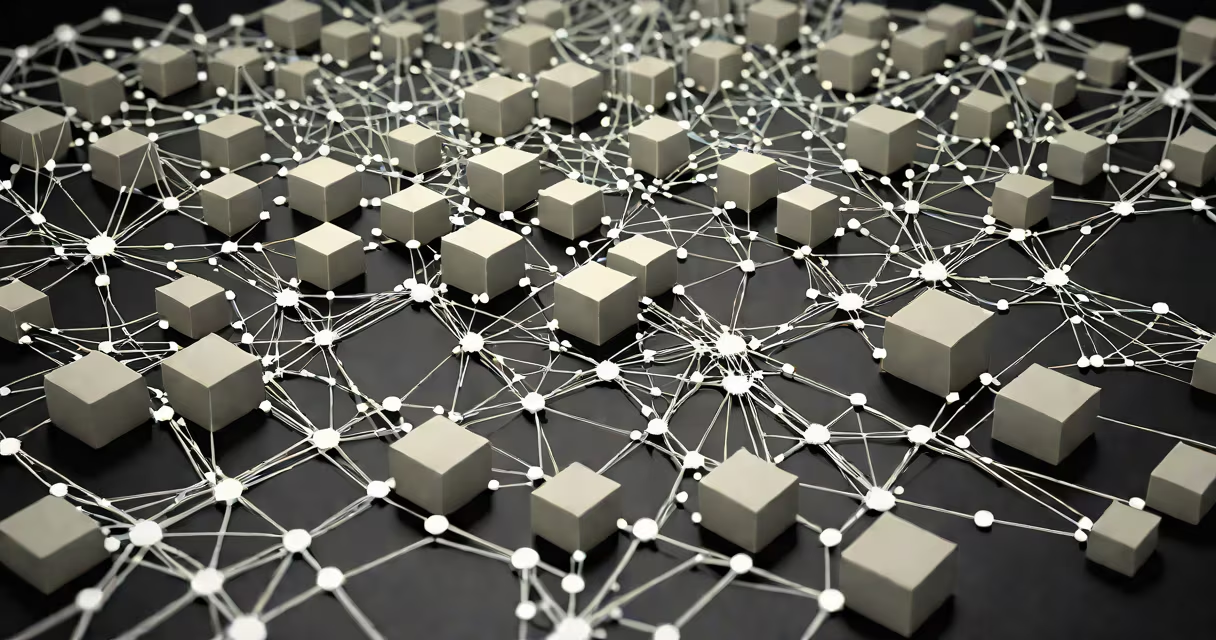
A packet based network transmits data by dividing messages into small, numbered units called packets. Each packet contains both the data payload and control information like source and destination addresses. This method allows efficient, scalable, and resilient communication across global networks such as the internet.
When you send an email, stream video, or load a webpage, your device doesn't send the entire file at once. Instead, it splits the data into packets-typically 1,500 bytes each-then sends them independently through routers and switches. These packets may take different paths to reach their destination. Once they arrive, the receiving device reassembles them in the correct order using sequence numbers.
This model contrasts with circuit-based systems, which reserve a dedicated path for the entire duration of a connection. Circuit switching was standard in early telephone networks. Packet switching emerged in the 1960s as a more efficient way to handle variable traffic loads, forming the foundation of modern internet infrastructure.
Each packet includes a header with metadata and a payload with the actual data. The header contains fields such as source IP address, destination IP address, packet sequence number, and error-checking codes. Routers read the header to decide the next hop, then forward the packet toward its destination.
For example, when you visit a website, your computer sends a request as multiple packets. A router at your ISP checks the destination IP, forwards the packet to the next node, and repeats until the request reaches the web server. The server responds by sending back hundreds of packets, each carrying fragments of the webpage's HTML, images, and scripts.
If a packet is lost due to congestion or interference, the receiving system detects the gap and requests a resend. This reliability mechanism ensures data integrity even over unstable connections. Protocols like TCP (Transmission Control Protocol) manage sequencing, acknowledgment, and retransmission.
Packet based networks rely on standardized protocols. The most fundamental is IP (Internet Protocol), which defines how packets are addressed and routed. TCP operates above IP to ensure reliable delivery. Together, they form the TCP/IP set-the core of internet communication.
| Type | Use Case | Example Technology |
|---|---|---|
| Connectionless | Best-effort delivery; ideal for streaming and gaming | UDP (User Datagram Protocol) |
| Connection-oriented | Guaranteed delivery; used for file transfers and web browsing | TCP (Transmission Control Protocol) |
| Virtual circuits | Emulates a dedicated path over a packet network | MPLS (Multiprotocol Label Switching) |
While UDP doesn't confirm receipt, it reduces latency-making it suitable for live video feeds or online multiplayer games. TCP, by contrast, waits for acknowledgments and resends missing packets, ensuring accuracy at the cost of speed.
Modern networks often combine multiple layers. For instance, a video call might use UDP for audio and video streams (where minor loss is tolerable), while TCP handles chat messages and session setup.
Every major internet service runs on packet based networks. Cloud platforms, mobile apps, VoIP services, and IoT devices depend on this architecture. Without it, high-bandwidth applications like 4K video streaming or real-time collaboration tools wouldn't scale efficiently.
Enterprises use packet based networks to connect remote offices via MPLS or SD-WAN. These systems prioritize business-critical traffic, reduce jitter, and improve performance over long distances. According to Cisco's annual Visual Networking Index, global IP traffic reached 3.3 zettabytes annually by 2022-a volume only feasible with packet routing.
One non-obvious fact: packet based networks don't guarantee delivery order. Packets can arrive out of sequence due to differing route delays. The receiving system uses sequence numbers to reorder them correctly. This is why a video buffer may briefly stall during playback, even on fast connections.
Some assume packet based networks are inherently unreliable because packets can be dropped. But reliability is built into higher-layer protocols-not the network itself. The internet aims to tolerate loss and reroute around failures.
Another confusion is equating packet switching with the internet. While packet switching enables the internet, they are distinct concepts. The internet is a global network of interconnected packet based networks. You can have a private packet based network (like a corporate LAN) without connecting to the public internet.
I once observed a misconfigured firewall that blocked ICMP packets used in ping tests. Despite this, users still accessed websites normally. The issue wasn't data loss-it was the absence of diagnostic feedback. This highlighted how packet based systems function independently of monitoring tools.
Consider a Zoom meeting over a home Wi-Fi network. Your microphone captures audio, which the app divides into 120-byte packets. Each packet gets tagged with your device's IP, the server's IP, and a sequence number. The packets travel through your router, then your ISP's network, and finally to Zoom's servers.
On the return path, the server sends back video frames as packets. Some may arrive late due to network congestion. The Zoom client buffers incoming packets and plays them in order, skipping gaps or requesting retransmissions if needed. This smooth experience relies entirely on packet based routing and error recovery.
Even when your Wi-Fi signal weakens, the system adapts. Packets may be delayed or dropped, but the protocol layer compensates. The result is stable communication-even under imperfect conditions.
As networks grow more complex, packet based models remain essential. They support everything from smart thermostats to autonomous vehicles. The ability to route data flexibly and efficiently makes this architecture the core of digital life.
Understanding packet based networks clarifies how data moves across the internet. It's not magic-it's math, timing, and layered protocols working together. For those managing network performance or designing secure systems, knowing how packets behave is critical. If you're implementing cloud based network security, you must account for packet flow to detect anomalies, prevent spoofing, and enforce access policies effectively.