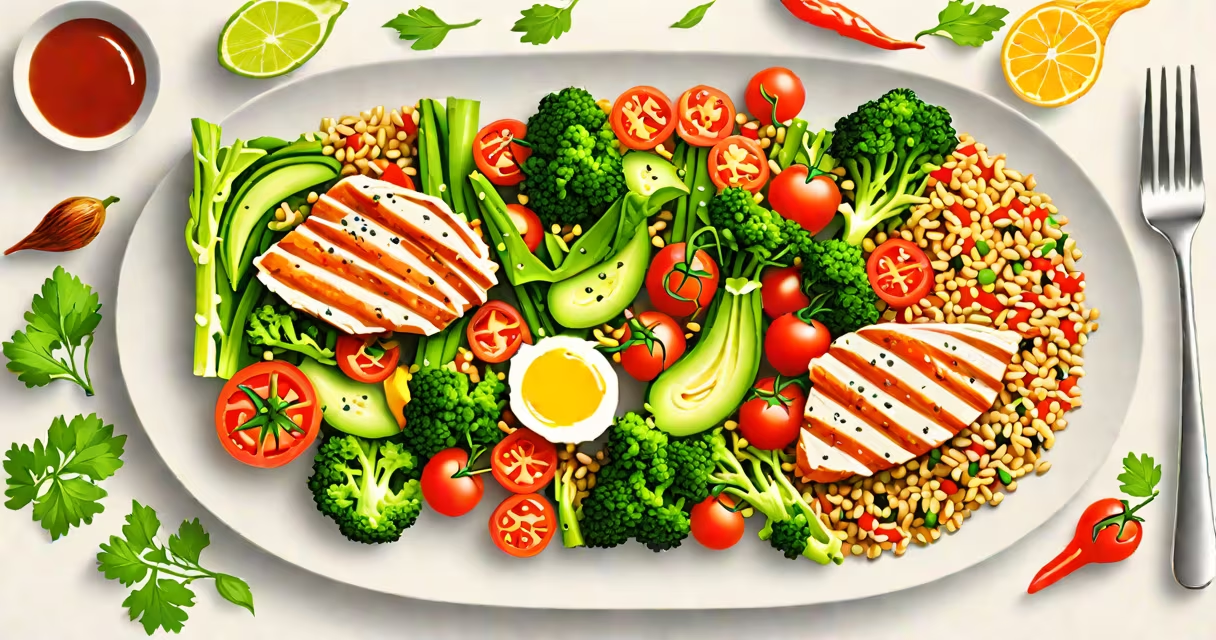
What to eat if you have SIBO focuses on eliminating fermentable carbohydrates that feed abnormal gut bacteria, reducing bloating, gas, and diarrhea. A targeted dietary approach limits FODMAPs-fermentable oligosaccharides, disaccharides, monosaccharides, and polyols-and emphasizes easily digestible proteins, low-FODMAP vegetables, and non-starchy grains.
SIBO, or small intestinal bacterial overgrowth, occurs when excessive bacteria colonize the small intestine. These microbes ferment undigested carbohydrates, producing gas and disrupting nutrient absorption. Symptoms include bloating, abdominal pain, diarrhea, and fatigue. Dietary management is central to treatment, often combined with antibiotics or herbal antimicrobials.
The goal is to starve the overgrown bacteria while supporting gut lining repair. This requires removing high-FODMAP foods-such as onions, garlic, wheat, legumes, and certain fruits-that rapidly ferment and cause distension. Instead, meals prioritize low-FODMAP options, lean proteins, and cooked vegetables.
The SIBO diet restricts fermentable carbs to minimize substrate for bacterial fermentation. Fermentation produces hydrogen and methane gases, which inflate the intestines and trigger symptoms. By limiting these substrates, the diet reduces gas production and allows the gut environment to normalize.
Research shows that a low-FODMAP diet improves symptoms in 70% of individuals with functional gastrointestinal disorders, including those with SIBO. A 2021 study published in Alimentary Pharmacology & Therapeutics found that patients on a low-FODMAP regimen reported significant reductions in bloating and abdominal discomfort after four weeks.
Even after symptom improvement, reintroducing foods gradually is essential. Premature return to high-FODMAP items often triggers relapse. The diet is not meant to be permanent-it's a therapeutic tool to reset gut function before transitioning to a balanced, sustainable eating pattern.
Not all carbohydrates are equal. The following table outlines key food categories, their SIBO compatibility, and specific examples.
| Foods to Eat | Foods to Avoid |
|---|---|
| Lean meats: chicken, turkey, beef (grilled or baked) | Onions, garlic (all forms) |
| Low-FODMAP vegetables: zucchini, carrots, spinach, squash | Wheat, barley, rye (includes bread, pasta, cereals) |
| Gluten-free grains: oats (certified), rice, quinoa | Legumes: lentils, chickpeas, black beans |
| Proteins: eggs, tofu, tempeh (check for additives) | Fruits: apples, pears, mangoes, watermelon |
| Healthy fats: olive oil, avocado (limited portions) | Dairy: milk, yogurt, soft cheeses (lactose-heavy) |
For example, a safe breakfast might be scrambled eggs with sautéed zucchini and a side of plain rice porridge. Lunch could be grilled salmon with steamed carrots and a small serving of quinoa. Dinner may consist of baked chicken breast with roasted squash and a leafy green salad dressed in olive oil and lemon juice.
A common mistake is assuming all vegetables are safe. Asparagus, artichokes, and broccoli contain inulin-a prebiotic fiber that feeds gut bacteria. Even in small amounts, they can worsen symptoms. Stick to low-FODMAP greens like kale, Swiss chard, and bok choy.
Many people assume "natural" means "safe." But honey, agave syrup, and maple syrup are high in fructose and can exacerbate SIBO. Even fruit juices-despite being "natural"-contain concentrated sugars that ferment quickly in the small intestine.
Another overlooked issue is hidden FODMAPs in processed foods. Soy sauce contains fructans. Some plant-based meat alternatives include chicory root fiber (inulin). Always read ingredient labels carefully. A single misstep can undo days of progress.
I once observed a patient who reported persistent bloating despite strict adherence to the diet. The cause was a "gluten-free" pasta labeled "low FODMAP," but it contained inulin as a thickener. Removing it resolved symptoms within 48 hours. This illustrates that even well-intentioned products can sabotage recovery.
After 2-4 weeks of symptom control, begin reintroducing foods one at a time. Start with low-risk items like carrots, sweet potatoes, or a small portion of rice. Monitor for bloating, gas, or changes in bowel movements over 72 hours.
If symptoms return, pause and stay at the current level. Progress slowly. The goal is not to eliminate all FODMAPs forever but to identify personal tolerance thresholds. Many people eventually reintroduce some high-FODMAP foods in moderation.
Reintroduction is not optional. Skipping it leads to long-term restriction, nutritional gaps, and reduced quality of life. A 2023 review in Frontiers in Nutrition emphasized that sustained dietary restriction increases risk of micronutrient deficiencies and alters gut microbiota composition negatively.
What to eat if you have SIBO is most effective when paired with lifestyle adjustments. Stress management, adequate sleep, and regular movement improve gut motility-critical for preventing bacterial stagnation in the small intestine.
Working with a registered dietitian experienced in SIBO is recommended. Self-directed diets often lead to unnecessary restrictions or nutrient imbalances. A dietitian can create a personalized plan based on symptom patterns, lab results, and food preferences.
Understanding what to eat if you have SIBO begins with removing fermentable substrates. Success depends on consistency, attention to detail, and gradual reintroduction. With proper planning, symptom relief is achievable and sustainable.