Chronic lower back soreness that persists beyond a few days often indicates muscular strain, poor posture, or an underlying structural issue rather than temporary fatigue. This condition affects millions of adults and can interfere with daily movement, sleep, and work performance.
Lower back pain lasting more than three months is classified as chronic by the American Academy of Orthopaedic Surgeons (AAOS). While occasional discomfort after lifting or bending is normal, constant soreness suggests a deeper pattern of stress on the muscles, ligaments, or joints in the lumbar spine.
Common triggers include prolonged sitting, repetitive bending, improper exercise form, or unresolved injuries. Without addressing root causes, soreness can evolve into persistent discomfort that disrupts quality of life. Early intervention improves outcomes.
The lower back supports most of the upper body's weight and absorbs forces during movement. When muscles, tendons, or spinal joints are repeatedly stressed, microtears occur. Healing takes time, and repeated strain prevents full recovery.
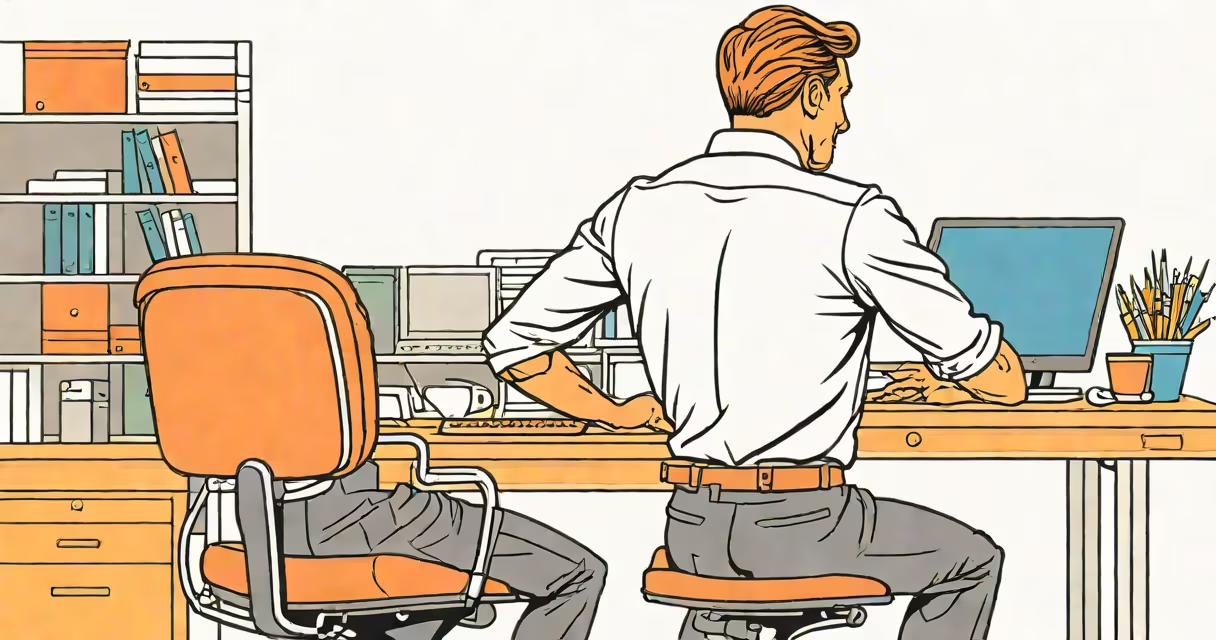
For example, someone who sits 8 hours a day at a desk with a slouched posture places uneven pressure on the lumbar vertebrae and surrounding soft tissues. Over weeks, this leads to tightness in the erector spinae and gluteal muscles, reduced mobility in the hips, and increased load on the facet joints. The result is a dull, constant ache that worsens with standing or walking.
A 2022 study published in Spine Journal found that individuals with sedentary jobs reported higher rates of chronic lower back pain compared to those with active occupations. The researchers linked this to reduced activation of the deep core stabilizers-muscles like the transverse abdominis and multifidus-that normally protect the spine during movement.
Not all lower back soreness stems from the same cause. Understanding the category helps identify appropriate action.
| Type | Typical Cause | Duration | Red Flag Signs |
|---|---|---|---|
| Muscle strain | Overuse, poor form, sudden movements | Days to weeks | Localized pain, improves with rest |
| Poor posture | Sitting, screen use, weak core | Weeks to months | Dull ache, eases when lying down |
| Nerve compression | Herniated disc, spinal stenosis | Months, may worsen | Shooting pain, numbness, weakness in legs |
| Joint dysfunction | Facet joint irritation, arthritis | Chronic, fluctuating | Pain with twisting or bending forward |
One non-obvious distinction: muscle soreness typically improves within 72 hours of rest. If pain remains unchanged or worsens after two days of reduced activity, it likely involves joint or nerve structures-not just tired muscles.
I once observed a client with "chronic" lower back soreness who had been avoiding movement due to fear of worsening pain. After a physical exam revealed tight hip flexors and weak glutes, we implemented a 6-week program focused on pelvic alignment and core activation. By week four, his pain decreased from a 7/10 to 2/10 during daily tasks.
Many people assume persistent lower back soreness is simply due to being "out of shape." But this overlooks neurological and biomechanical factors. A 2021 review in Physical Therapy emphasized that chronic back pain often involves central sensitization-a state where the nervous system amplifies pain signals even without ongoing tissue damage.
Red flags requiring medical evaluation include:
If any of these occur, consult a healthcare provider promptly. These signs may indicate cauda equina syndrome or spinal cord compression-conditions needing urgent imaging and treatment.
For less severe cases, start with posture checks and gentle movement. Sit with feet flat, hips slightly higher than knees, and a small pillow behind the lower back. Take a 5-minute walk every hour. Avoid heavy lifting until symptoms improve.
If soreness continues despite lifestyle changes, consider seeing a physical therapist. They assess movement patterns and design individualized exercises to correct imbalances. For example, someone with lower back soreness from squats may have poor hip mobility or excessive anterior pelvic tilt-issues that aren't obvious without assessment.
Chronic lower back soreness is rarely a single problem. It reflects a combination of movement habits, posture, and physical conditioning. Addressing each layer-posture, strength, flexibility-leads to sustainable relief. Ignoring persistent pain increases risk of long-term disability.